Understanding Trump’s Voting-Related Executive Orders
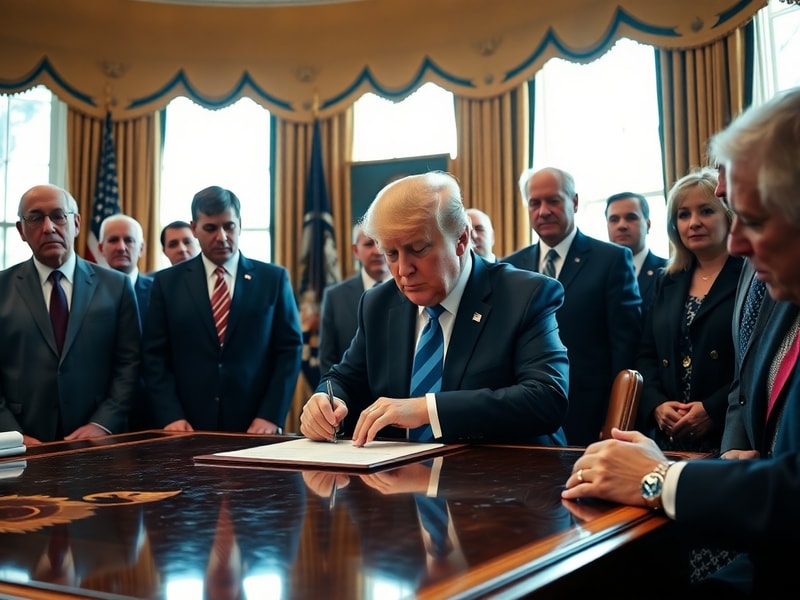
In late 2020, President Donald Trump issued a series of executive orders aimed at addressing what he described as vulnerabilities in the U.S. election system. Among these directives, one focused specifically on voting procedures and integrity, reflecting long-standing claims by the former president about widespread fraud in the 2020 election. While executive orders cannot override federal election laws or state constitutions, they can direct federal agencies to prioritize certain policies, allocate resources, or encourage coordination with state officials.
These orders emerged in the context of a highly polarized political climate, where election integrity became a central issue for conservatives and a point of concern for critics who viewed the measures as attempts to undermine confidence in democratic processes. The Trump administration framed the actions as efforts to strengthen election security, while opponents warned they could lead to voter suppression or partisan interference in state-run elections.
The orders, collectively titled “Promoting Election Integrity,” included provisions for federal agencies to share information with states on voter registration discrepancies, enhance cybersecurity for election infrastructure, and support the use of voter ID laws. These directives were not legally binding but signaled a federal push to align with policies favored by Republican-led states, many of which had already enacted stricter voting laws following the 2020 election.
Key Provisions of the Executive Orders
The executive orders signed by Trump in December 2020 consisted of several components designed to address what the administration described as “irregularities” in the voting process. One of the most notable measures directed the Department of Justice (DOJ) and the Department of Homeland Security (DHS) to collaborate with state election officials to identify and address potential vulnerabilities in voter registration databases. This included cross-checking voter rolls with federal databases such as the Social Security Administration’s death records and immigration records to identify potential duplicate or ineligible registrations.
Another provision called for improved cybersecurity measures for election systems, including funding and technical support for states to upgrade their voting infrastructure. This followed concerns raised by some officials about foreign interference in past elections, though no evidence was provided that such interference had occurred in 2020. The orders also encouraged states to adopt voter ID requirements, a policy long championed by Republicans as a safeguard against fraud, despite limited evidence of widespread voter impersonation.
Additionally, the executive orders mandated the creation of a “Vulnerabilities Report” to be submitted to the President within 60 days, outlining findings and recommendations for future election reforms. While the report did not lead to immediate legislative changes, it reinforced the administration’s narrative about election integrity and set the stage for ongoing debates in Congress and state legislatures.
The Political and Legal Context
The timing of the executive orders—just weeks before the end of Trump’s term—raised questions about their intent and potential impact. Critics argued that the actions were largely symbolic, aimed at appeasing a base that had already embraced the former president’s claims of a “stolen” election. By framing voting issues as a matter of national security, the administration sought to elevate the issue on the federal agenda, even as courts across the country had repeatedly dismissed lawsuits challenging the 2020 election results.
Legally, executive orders are tools of presidential authority, but they are constrained by constitutional limits and existing laws. The orders did not change any state election laws or federal voting statutes, which are primarily governed by the Constitution and the Voting Rights Act. However, they did signal a federal willingness to support policies like voter ID laws, which some states had already adopted or were considering. This alignment with state-level Republican priorities underscored the partisan dimensions of the debate over election integrity.
Notably, the orders did not address broader systemic issues, such as the accessibility of polling places or the expansion of mail-in voting, which had become flashpoints in the 2020 election. Instead, they focused narrowly on perceived vulnerabilities in voter registration and election security. This selective approach fueled skepticism among voting rights advocates, who argued that the orders were more about political messaging than substantive reform.
Reactions from Advocacy Groups and Lawmakers
The response to Trump’s voting-related executive orders was swift and divided. Republican lawmakers largely praised the measures, framing them as necessary steps to restore public trust in elections. Senator Ted Cruz, for example, issued a statement calling the orders a “long-overdue effort to secure our elections.” Similarly, state officials in Republican-led states expressed support, particularly those who had already implemented restrictive voting laws.
On the other side, civil rights organizations and voting rights groups condemned the orders as thinly veiled attempts to suppress voter participation. The American Civil Liberties Union (ACLU) argued that the directives could lead to unnecessary purges of voter rolls and disproportionately affect minority communities, which have historically faced barriers to voting. The Brennan Center for Justice also criticized the orders, stating that they “ignore the real threats to election security while promoting policies that make it harder for eligible voters to cast ballots.”
Democrats in Congress largely dismissed the executive orders as political theater. Representative John Sarbanes, a vocal advocate for expanding voting rights, called the measures “a distraction from the real work of protecting democracy.” Meanwhile, advocacy groups such as Common Cause and the NAACP mobilized to counter what they saw as a coordinated effort to undermine voting access.
The partisan divide over the orders highlighted the broader tensions in American politics, where election integrity has become a proxy for deeper disagreements over the role of government, the power of states, and the rights of voters. While the orders did not immediately change election laws, they contributed to a narrative that continues to shape debates over voting rights today.
Long-Term Impact and Ongoing Debates
In the years since the executive orders were issued, their immediate impact has been limited by legal and practical constraints. No federal voting legislation has been passed as a direct result of the directives, and courts have continued to uphold existing election laws. However, the orders did influence state-level policies, particularly in states where Republican legislatures sought to tighten voting rules. For example, several states passed laws requiring voter ID, reducing early voting periods, or restricting mail-in ballots—policies that align with the priorities outlined in the executive orders.
One of the most significant consequences of the orders has been their role in fueling ongoing debates about election integrity. The claims of fraud promoted by Trump and his allies have persisted, despite repeated debunking by election officials, judges, and even some of his own administration’s appointees. This has led to a wave of restrictive voting laws in Republican-led states, justified in part by the need to address the very vulnerabilities the executive orders sought to highlight.
At the federal level, the Biden administration has worked to counter these measures by promoting policies that expand voting access, such as automatic voter registration and expanded early voting. However, the executive orders remain a touchstone for conservatives who continue to argue that election integrity must be prioritized. The orders also serve as a reminder of how executive actions can shape public discourse, even when their legal impact is minimal.
For those interested in the broader context of election reforms, Dave’s Locker’s Politics category offers analysis on how federal and state policies intersect. Similarly, Dave’s Locker’s News section provides updates on the latest developments in voting rights and election legislation.
What Comes Next for Election Integrity?
The legacy of Trump’s voting-related executive orders is still unfolding. While they did not lead to sweeping changes in federal law, they contributed to a national conversation about election security and voter access that shows no signs of slowing down. As states continue to pass new voting laws—some expanding access, others restricting it—the debate over what constitutes a fair and secure election will remain a defining issue in American politics.
Looking ahead, several key questions loom large. Will Congress pass federal voting rights legislation to set nationwide standards? How will courts interpret new state laws that some argue violate constitutional protections? And what role will executive orders play in future administrations seeking to influence election policies? These questions are not just academic; they will shape the landscape of American democracy for years to come.
The executive orders issued by Trump in 2020 may have been a temporary policy blip, but their echoes are still felt in statehouses and courtrooms across the country. For advocates on both sides of the voting rights debate, the orders serve as a reminder that the fight over election integrity is far from over—and that the tools of presidential power, no matter how limited, can still leave a lasting mark.