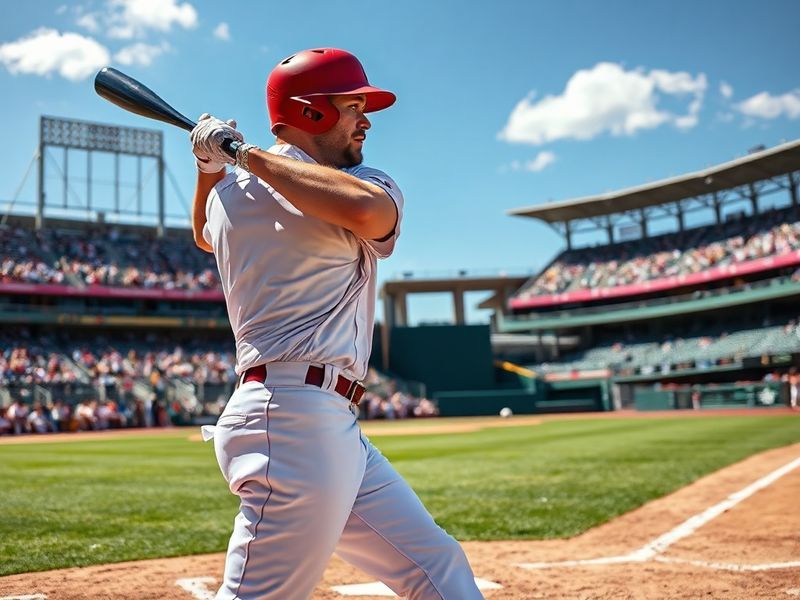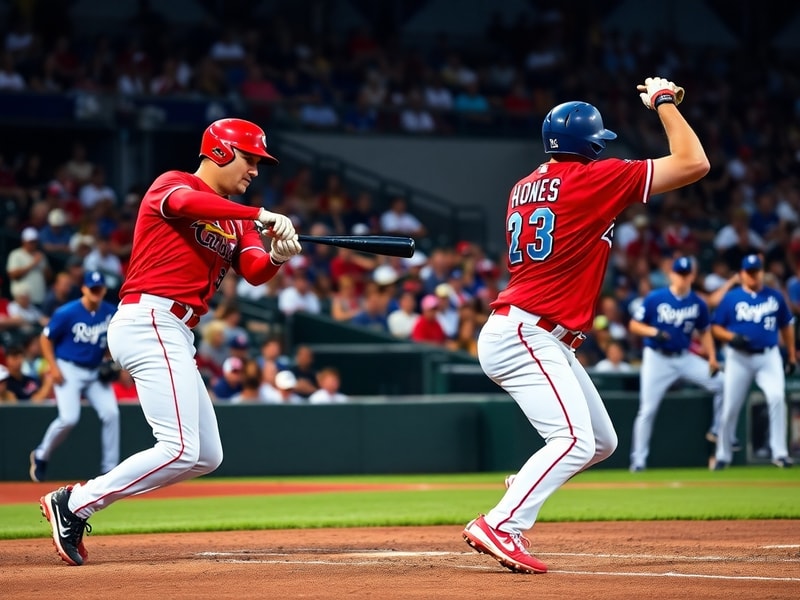
The St. Louis Cardinals and the Kansas City Royals represent two of the most storied franchises in Major League Baseball, each with a rich history, passionate fan bases, and a legacy of competitive excellence. While both teams call Missouri home, their paths to success have followed distinct trajectories shaped by different eras, management styles, and player development philosophies. The Cardinals, often referred to as the “Redbirds,” have long been a model of consistency, while the Royals have experienced a rollercoaster of highs and lows, culminating in a pair of World Series titles in 2015 and 2014 respectively.
Histories rooted in tradition and reinvention
The Cardinals franchise was established in 1882 as the St. Louis Brown Stockings, making it one of the oldest teams in professional baseball. Over the decades, the team evolved through several name changes before settling on the Cardinals in 1900. The franchise’s golden era arrived in the 1920s and 1930s under the leadership of Branch Rickey, who pioneered the farm system and integrated the team with Jackie Robinson’s signing in 1947—though Robinson never played for St. Louis. The Cardinals won 11 World Series titles between 1926 and 2011, second only to the New York Yankees, cementing their reputation as a perennial contender.
The Royals, on the other hand, debuted in 1969 as an expansion team. Founded by Ewing Kauffman, the franchise was designed to bring affordable baseball to Kansas City after the Athletics left for Oakland. Though early seasons were marked by struggle, the Royals cultivated a reputation for strong player development and community engagement. Their breakthrough came in the late 1970s and early 1980s with players like George Brett, Frank White, and Willie Wilson—culminating in a World Series appearance in 1980 and a championship in 1985. After a long playoff drought, the Royals reemerged as contenders in 2014 and 2015, winning back-to-back pennants and delivering the city its first titles since 1985.
Farm systems and player development: two different blueprints
The Cardinals have long been lauded for their player development system, often ranked among the top in baseball. Their farm system has produced Hall of Fame talents such as Stan Musial, Bob Gibson, and Ozzie Smith, as well as modern stars like Yadier Molina and Adam Wainwright. The organization’s emphasis on scouting, player evaluation, and minor league infrastructure has allowed it to remain competitive even during lean years. The Cardinals’ draft strategy prioritizes high-character players with strong baseball IQ, often selecting athletes with versatile skill sets.
While the Royals’ farm system has also produced notable talent—including Salvador Perez, Alex Gordon, and Whit Merrifield—it has not been as consistently deep or celebrated as St. Louis’s. The Royals’ approach has historically leaned more heavily on trades and free agency to supplement homegrown talent. This strategy paid dividends during their 2014–2015 run, when veterans such as Lorenzo Cain, Eric Hosmer, and Alcides Escobar were complemented by young stars like Mike Moustakas and Danny Duffy. However, the Royals’ farm system struggled in the late 2010s, leading to a steep decline in talent pipeline strength.
Despite these differences, both teams have demonstrated that sustained success can be built through different means—whether through internal development or strategic acquisitions. The Cardinals’ model emphasizes stability and gradual growth, while the Royals’ approach favors bold moves and high-risk, high-reward gambits.
Fan culture and regional pride
The rivalry between Cardinals and Royals fans is not just about baseball—it’s about identity. Cardinals fans, often referred to as the “Best Fans in Baseball,” fill Busch Stadium with a sea of red, creating an atmosphere that blends tradition with modern energy. The team’s fan base spans generations, with many families passing down their allegiance through decades. Busch Stadium itself is a modern cathedral of baseball, offering a fan-friendly experience with expansive views, local food options, and a deep connection to the city’s history.
Kansas City fans, though fewer in number, are known for their loyalty and enthusiasm. Kauffman Stadium, affectionately called “The K,” is one of the last remaining stadiums with a waterfall and fountain display outside the outfield, reflecting the city’s Midwestern charm. Royals fans are often characterized by their blue-collar mentality and pride in their team’s underdog spirit. While the Cardinals enjoy a larger market and more national attention, Royals fans take pride in their team’s scrappy identity and the way it reflects the heart of Kansas City.
When the two teams face off in interleague play, the matchups are more than just games—they become regional pride battles. These games draw significant attention, especially when young stars from each system face off or when veterans return to their hometowns. The intensity is palpable, even if the stakes are lower than in playoff races, because the pride of each city is on the line.
Recent performance and future outlook
In recent years, the Cardinals have maintained a steady presence in the National League Central, regularly competing for division titles. Their pitching staff—often anchored by aces like Adam Wainwright and Jack Flaherty—remains a cornerstone of their success. Offensively, players like Paul Goldschmidt and Nolan Arenado provide consistent production, while young talents such as Brendan Donovan and Nolan Gorman offer promise for the future. The Cardinals’ front office, led by president of baseball operations John Mozeliak, continues to emphasize a balanced approach between analytics and traditional scouting.
The Royals, meanwhile, have faced a more challenging rebuilding phase. After their 2015 World Series win, the team struggled to sustain competitiveness due to injuries, poor trades, and a lack of pitching depth. The organization has since shifted toward a full rebuild, focusing on player development and international signings. Prospects like Bobby Witt Jr., MJ Melendez, and Kyle Isbel represent the next wave of Royals talent, and the team’s aggressive approach in the 2023–2024 offseason suggests a desire to return to contention sooner rather than later.
Both teams face challenges moving forward. The Cardinals must navigate the aging curves of veterans while integrating young talent. The Royals must balance patience with urgency, ensuring their rebuild doesn’t drag on too long. Despite these challenges, the rivalry remains a source of pride for Missouri baseball fans, offering a blend of hope, history, and heart.
Key takeaways from the Cardinals vs. Royals rivalry
- Histories: Cardinals have 11 World Series titles; Royals have 2.
- Development: Cardinals excel in farm systems; Royals rely more on trades and free agency.
- Fan culture: Cardinals have a large, tradition-rich fan base; Royals have a loyal, underdog following.
- Recent form: Cardinals remain competitive; Royals are rebuilding with young talent.
The Cardinals vs. Royals matchup is more than a regional rivalry—it’s a study in contrasts. One team thrives on consistency and institutional excellence, while the other embodies resilience and reinvention. Both bring something unique to the table, not just on the field, but in the way they represent their cities. Whether it’s the historic glow of Busch Stadium or the blue-collar grit of The K, baseball in Missouri is as much about community as it is about competition. And as long as both teams keep playing, the debate will continue—because in the Show-Me State, pride runs deep.