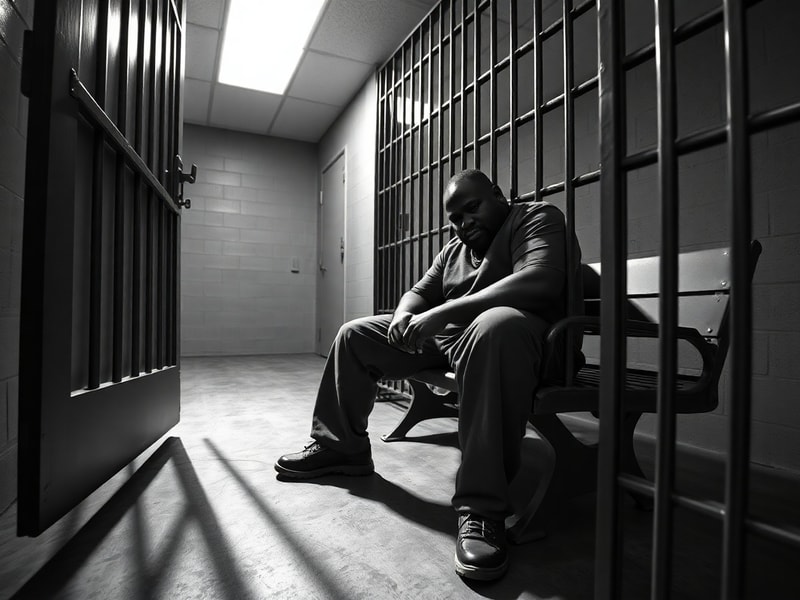
Actor and comedian Faizon Love has been sentenced to 60 days in jail following a Florida conviction for battery and disorderly conduct. The ruling comes after a May 2023 incident at a West Palm Beach hotel, where prosecutors allege Love became aggressive during an altercation with a hotel employee. Miami-Dade County court documents confirm the sentence was handed down on Friday, with Love’s legal team immediately filing an appeal.
The incident that led to the conviction
According to the police report, the confrontation began when a front desk clerk asked Love to lower his voice in the early hours of May 12, 2023. Witnesses testified that Love responded by shouting profanities and shoving the employee against a wall. Security footage, though partially obscured, shows Love walking away after the shove before returning moments later. The employee suffered minor bruising and received medical attention at the scene.
The disorderly conduct charge stems from Love’s refusal to leave the premises when asked by hotel security. Officers arriving on scene noted visible agitation in Love, who reportedly resisted initial attempts to calm him down. He was arrested without further incident and taken to the Palm Beach County jail, where he posted bond the following morning.
Witness accounts and courtroom testimony
During the two-day trial in March 2024, the hotel clerk described feeling intimidated by Love’s physical presence. “He’s a big man,” the clerk testified. “When he pushed me, I thought he might hit me again.” Another employee corroborated the account, stating that Love had been drinking heavily that night and appeared unstable. Love’s defense attorney countered that the shove was accidental and that hotel staff had overreacted to a minor disagreement.
The jury deliberated for less than three hours before finding Love guilty on both counts. In delivering the sentence, the judge cited Love’s prior 2009 conviction for a similar offense in California as an aggravating factor. “This pattern of behavior suggests a disregard for public order,” the judge stated. Love’s legal team has vowed to appeal, arguing that the verdict was influenced by racial bias in jury selection.
Reactions from the entertainment community
As news of the sentence spread, reactions poured in from colleagues and fans alike. Comedian and frequent collaborator Cedric the Entertainer offered measured support: “Faizon’s a funny guy, but nobody’s above the law. I hope he uses this time to reflect and grow.” Others in the industry were less sympathetic. A former co-star, who asked to remain anonymous, told Dave’s Locker that Love had a history of “explosive outbursts” on set, including one incident where he reportedly threw a chair during a heated discussion.
Social media platforms lit up with mixed responses. Some fans expressed disappointment, noting that Love had been a positive role model in family films like Friday and Couples Retreat. Others argued that celebrities should be held to higher standards given their public influence. A trending hashtag, #FaizonLoveDeservesBetter, gained traction among supporters who believe the sentence was disproportionately harsh.
The role of celebrity status in legal outcomes
Legal experts point to a growing pattern where celebrities receive harsher penalties for public incidents, possibly due to prosecutors’ desire to make examples of high-profile defendants. “There’s an unspoken pressure on judges to appear impartial,” said Miami defense attorney Elena Rodriguez. “But when cameras are rolling and the public is watching, the stakes are different.”
Love’s case also raises questions about how wealth and fame influence sentencing. While the judge acknowledged Love’s charitable work and lack of prior violent convictions in California, the Florida ruling suggests that past behavior can resurface in legal proceedings. Love’s legal team has filed a motion to stay the sentence pending appeal, arguing that he poses no flight risk and has ties to the community through ongoing film projects.
The road ahead: Appeals and potential consequences
Love’s appeal is expected to focus on two main arguments: the sufficiency of the evidence and the fairness of the jury selection process. His attorney, John Thompson, has filed a motion challenging the inclusion of certain jurors who, he claims, expressed bias against Black defendants during voir dire. Thompson also argues that the prosecution failed to prove intent, a key element in battery charges.
If the appeal is denied, Love will have to surrender to serve his 60-day sentence within 30 days. Given Florida’s jail overcrowding issues, he may be eligible for a work-release program that would allow him to continue working on film sets during daylight hours. However, his reputation has already taken a hit. Several upcoming projects, including a Netflix comedy special, have reportedly been put on hold pending the outcome of his legal troubles.
Broader implications for public figures
Love’s case joins a growing list of celebrity legal battles that have played out in the court of public opinion before ever reaching a judge’s chambers. From Johnny Depp’s defamation trial to Armie Hammer’s social media scandals, the intersection of fame and accountability continues to evolve. What sets Love’s situation apart is the relatively minor nature of the offense compared to other high-profile cases, which raises questions about consistency in how justice is applied.
For Love, the immediate future remains uncertain. His legal team is exploring options to reduce the sentence, including anger management classes or community service. Meanwhile, industry insiders suggest that his career may recover if he takes visible steps toward rehabilitation. “People forgive,” said entertainment journalist Maria Chen. “But they don’t forget. Faizon will need more than a few public apologies to earn back trust.”
The judge’s ruling serves as a reminder that no amount of fame or fortune can shield individuals from the consequences of their actions. As Love prepares for the next phase of his legal battle, the entertainment world watches closely—some with judgment, others with hope for redemption. One thing is clear: the outcome will resonate beyond the courtroom, shaping perceptions of accountability in an industry where second chances are both rare and hard-earned.