How Caitlin Clark’s Shoes Became a Cultural and Commercial Powerhouse
Caitlin Clark’s basketball shoes have quietly become one of the most talked-about pieces of women’s sports gear in recent years. What started as standard athletic footwear for an elite guard has evolved into a cultural artifact, reflecting both her meteoric rise and the shifting dynamics of women’s sports visibility. The shoes she wears on the court are no longer just functional—they’re symbolic, sparking conversations about sponsorship, fan engagement, and the commercial power of athletes who transcend their sport.
How Caitlin Clark’s Shoe Choices Reflect Her Brand
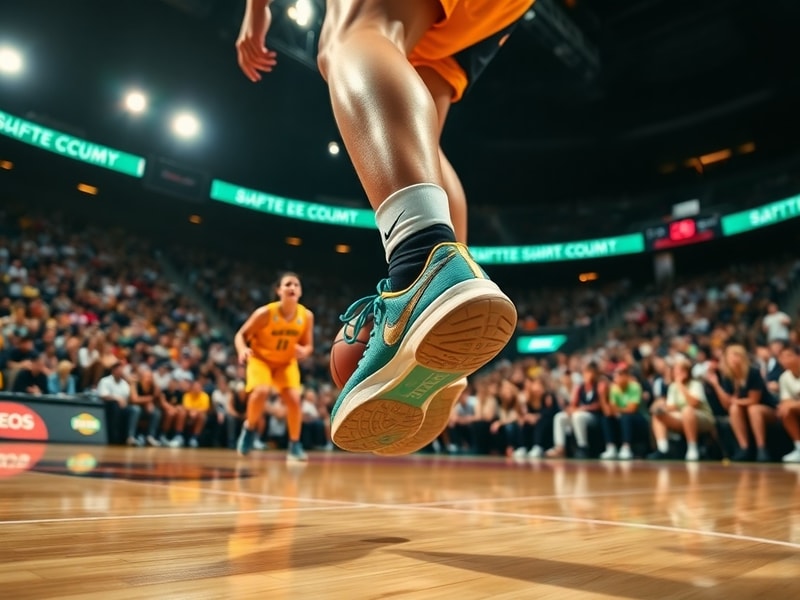
Clark’s footwear on the court has always been a blend of performance and personality. Early in her college career at Iowa, she wore Nike’s signature basketball shoes, but as her star power grew, so did the customization. Nike began releasing Clark-specific colorways, often featuring her signature “CC” logo and the Hawkeyes’ gold and black color scheme. These weren’t just shoes—they were billboards for her personal brand.
Her partnership with Nike extends beyond colorways. The brand has strategically released Clark’s shoes at key moments: during the NCAA Tournament, during her record-breaking 3-point streak, and in the lead-up to her WNBA debut with the Indiana Fever. Each release isn’t just a product drop—it’s a statement about her influence. The shoes serve as a bridge between her on-court dominance and her off-court marketability, proving that athletes don’t need to rely solely on performance to drive demand.
What’s particularly interesting is how Clark’s shoe choices contrast with traditional athlete endorsements. Unlike many stars who stick to one signature line, Clark’s footwear is fluid. She mixes signature models with general-market releases, keeping her brand dynamic and accessible. This flexibility has allowed her to appeal to both hardcore basketball fans and casual observers who might not follow the sport closely but recognize her name.
The Commercial Impact of Clark’s Footwear
The commercial ripple effect of Clark’s shoes is undeniable. When Nike releases a Clark-specific colorway, it sells out within hours. Resale prices for her shoes on platforms like StockX often skyrocket, sometimes doubling the retail price. This isn’t just a testament to her popularity—it’s a reflection of how women’s sports merchandise is finally catching up to the demand.
Consider the data: Women’s basketball viewership surged during the 2023 NCAA Tournament, with Clark at the center of the action. Her shoes became one of the most searched-for items in sports retail. Retailers like Dick’s Sporting Goods and Foot Locker reported record sales of Clark-related merchandise, not just jerseys but also accessories like socks and hats. The shoes, in particular, drove foot traffic into stores, proving that merchandise tied to a single athlete can move the needle for an entire category.
This commercial success has broader implications for women’s sports sponsorships. Historically, women athletes have struggled to secure lucrative endorsement deals compared to their male counterparts. Clark’s shoe sales challenge that narrative. Her popularity has forced brands to rethink their strategies, investing in women’s sports merchandise not as an afterthought but as a core revenue stream. It’s a shift that could redefine how athletes build their brands—and how brands invest in women’s sports.
Why Clark’s Shoes Matter Beyond Basketball
Caitlin Clark’s shoes are more than just athletic gear—they’re a cultural touchpoint. They represent the growing intersection of sports, fashion, and social media. Clark’s Instagram posts featuring her latest shoe drops often rack up millions of likes, with fans clamoring for a chance to own a pair. This digital engagement has turned her footwear into a status symbol, particularly among Gen Z consumers who view sneakers as both functional and fashionable.
The shoes also highlight the role of athletes as tastemakers. Clark’s influence extends beyond basketball; she’s shaping trends in streetwear and casual fashion. Collaborations with brands like Jordan and Puma have further cemented her place in the fashion world, blurring the lines between sports and style. This crossover appeal is critical for athletes looking to build long-term brands that resonate beyond their sport.
There’s also a social element to Clark’s shoes. They’ve become a way for fans to connect with her journey. Whether it’s wearing a pair to a game or purchasing a colorway that matches their favorite team, Clark’s footwear fosters a sense of community. This emotional connection is what turns merchandise into a cultural phenomenon—something brands are increasingly prioritizing in their marketing strategies.
The Future of Athlete-Driven Footwear
Clark’s success with her shoes is just the beginning. As more women athletes gain mainstream attention, the demand for their signature merchandise will only grow. Brands are already taking notice. Nike, for example, has doubled down on its women’s basketball portfolio, signing deals with rising stars like JuJu Watkins and Kamilla Cardoso. The goal isn’t just to sell shoes—it’s to build legions of loyal fans who see these athletes as more than just players; they’re icons.
For Clark, the next frontier could be her own signature line. While Nike currently produces her shoes, the possibility of a full “CC” brand—complete with apparel, accessories, and even lifestyle products—isn’t far-fetched. Athletes like LeBron James and Michael Jordan have built entire empires around their names. Clark’s shoes could be the first step toward something even bigger.
There’s also the question of sustainability. As the sneaker industry faces scrutiny over its environmental impact, Clark’s shoes could set a new standard. Nike has already made strides in using recycled materials in its basketball shoes. If Clark advocates for eco-friendly designs, it could resonate with consumers who prioritize sustainability alongside performance.
The broader lesson here is that athlete-driven footwear is no longer a niche market. It’s a mainstream opportunity. Brands that invest in women athletes today will reap the rewards tomorrow, both in sales and in cultural relevance. Clark’s shoes are proof that when an athlete transcends their sport, their merchandise becomes more than just a product—it becomes a movement.
As Clark continues to dominate on the court and build her brand off it, her shoes will remain a key part of the story. They’re not just footwear; they’re a symbol of change in how we view women’s sports, how we engage with athletes, and how we consume culture. And in an era where athletes are increasingly becoming household names, Clark’s shoes are leading the way.