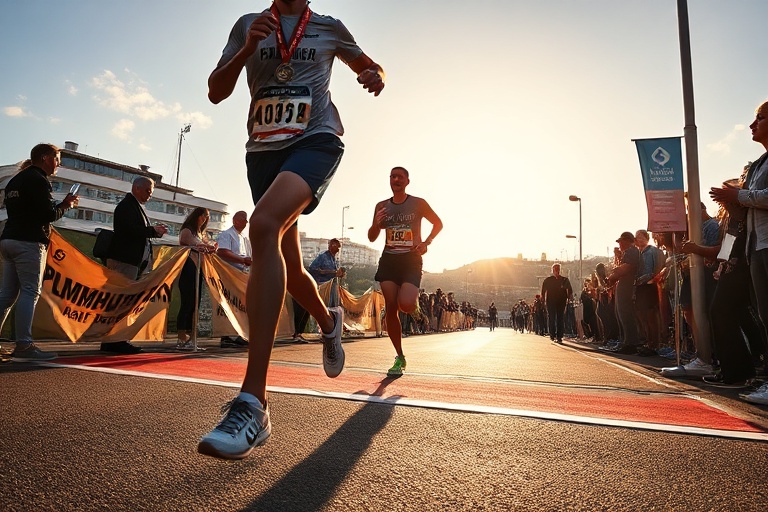
The Plymouth Half Marathon has grown from a local footrace into one of the United Kingdom’s most anticipated annual athletic events. Each spring, runners of all abilities gather in Devon to tackle a 13.1-mile course that winds through the city’s historic dockyards, along the waterfront, and through its leafy suburbs. More than just a race, the event reflects Plymouth’s evolving identity as a city that values both sport and community.
What began decades ago as a modest gathering has transformed into a meticulously organized spectacle, drawing thousands of participants and spectators alike. The marathon’s enduring appeal lies in its accessibility—welcoming first-timers alongside seasoned athletes—and in the way it showcases Plymouth’s culture, resilience, and scenic beauty. As urban running events face increasing scrutiny over their environmental impact and inclusivity, the Plymouth Half Marathon offers a case study in balancing tradition with innovation.
The Origins and Evolution of the Plymouth Half Marathon
First held in 1984, the Plymouth Half Marathon was conceived as a way to promote fitness and civic pride in the wake of industrial decline. The city’s docks, once the lifeblood of the local economy, had fallen into disuse, and community leaders sought a new symbol of renewal. Running, then a niche pursuit, provided an ideal platform. The inaugural race drew just over 200 runners. Today, that number exceeds 7,000, with thousands more lining the course to cheer on competitors.
Over the years, the route has been refined to highlight Plymouth’s landmarks. Runners now pass the Royal William Yard, a repurposed naval victualling site turned creative hub, and the Hoe, a seafront promenade with panoramic views of the Sound. The elevation changes—gentle but relentless—test even experienced marathoners, earning the course a reputation for being “deceptively tough.”
In 2018, race organizers introduced chip timing and a digital tracking system, reflecting broader trends in endurance sports. These innovations have made the event more transparent and spectator-friendly, allowing friends and family to follow runners in real time via mobile apps. The shift also aligned with the growing demand for data-driven training and performance analysis among amateur athletes.
Why the Plymouth Half Marathon Matters Beyond the Finish Line
Events like the Plymouth Half Marathon do more than crown winners—they shape local economies, influence public health policy, and strengthen social cohesion. According to a 2022 report by UK Active, mass participation sporting events contribute over £3 billion annually to the UK economy through tourism, retail, and hospitality. In Plymouth, the race injects an estimated £2.5 million into the local economy, with hotels, cafes, and transport services all reporting upticks in revenue.
Public health experts also point to the event’s role in promoting physical activity. The UK government’s “Everybody Active, Every Day” initiative highlights community-based sporting events as key drivers of improved public health. Since the marathon’s inception, obesity rates in Plymouth have declined, though correlation does not equal causation. Still, the race serves as a yearly reminder of movement’s importance—especially in a region where sedentary lifestyles remain a concern.
Environmental sustainability has become another focal point. In response to criticism of large-scale sporting events’ carbon footprints, organizers have introduced several green initiatives:
- All race bibs are now made from 100% recycled materials
- Water stations provide compostable cups and encourage runners to carry their own bottles
- Post-race bananas are sourced from local farms to reduce transport emissions
- A “green mile” initiative encourages runners to volunteer in local conservation projects in exchange for race entries
These measures reflect a broader shift in endurance sports toward eco-consciousness, mirroring trends seen in events like the London Marathon’s plastic reduction efforts.
Training, Participation, and the Growth of Recreational Running
Behind every finisher’s medal is months of preparation. The rise of the Plymouth Half Marathon parallels the explosion of recreational running across the UK. According to Sport England, the number of people running regularly has increased by 2.5 million since 2016. This surge owes much to accessible platforms like Parkrun, virtual races during the pandemic, and a growing culture of self-improvement through fitness.
Training for a half marathon requires discipline, but the Plymouth event offers resources for beginners. Local running clubs, including Plymouth Harriers and Tamar TC, provide structured training plans and group runs. For novices, the key is consistency over intensity—building endurance gradually while listening to the body. Experienced runners often target the Plymouth event as part of their preparation for full marathons, drawn by the course’s manageable terrain and the city’s supportive atmosphere.
The event’s inclusivity extends beyond skill level. Organizers actively promote participation among underrepresented groups, including women, people with disabilities, and ethnic minorities. A dedicated wheelchair race was added in 2019, and this year, sign language interpreters were stationed at key points along the route for deaf participants. These steps align with campaigns like #RunAndBeSeen, which aim to make running more accessible to all.
Looking Ahead: The Future of the Plymouth Half Marathon
As the Plymouth Half Marathon approaches its 50th anniversary in 2034, organizers face both opportunities and challenges. One looming question is whether the event can continue growing without losing its community feel. With 7,000 runners already pushing capacity limits, expansion may require creative solutions—such as staggered starts or a lottery system for entries.
Technology will also play a bigger role. Virtual reality training simulations, AI-powered coaching apps, and wearable tech could become integral to the runner’s experience. Yet, there’s a risk that these innovations might alienate traditionalists who value the event’s grassroots origins.
Another consideration is climate change. Rising temperatures and unpredictable weather patterns threaten outdoor sporting events. The 2023 race was held a week earlier than usual to avoid unseasonably hot conditions—a trend that may continue. Organizers are also exploring shaded route adjustments and increased hydration stations to adapt.
The marathon’s legacy ultimately hinges on its ability to evolve while staying true to its roots. Plymouth’s identity has always been tied to resilience—from rebuilding after WWII bombings to reinventing its waterfront economy. The half marathon embodies that spirit: a blend of grit, community, and forward momentum. Whether you’re chasing a personal best, supporting a friend, or simply soaking in the atmosphere, the event remains a defining moment in the city’s calendar.
For those inspired to take on the challenge, registration opens each autumn. Training plans are widely available, and local sports shops offer gait analysis to help runners choose the right shoes. The finish line at the Barbican, with its backdrop of historic ships and bobbing yachts, awaits those willing to put in the miles—and the effort.
In an era where individualism often trumps collective experience, events like the Plymouth Half Marathon remind us that progress is best achieved together. The road may be long, but the journey is what makes it worthwhile.