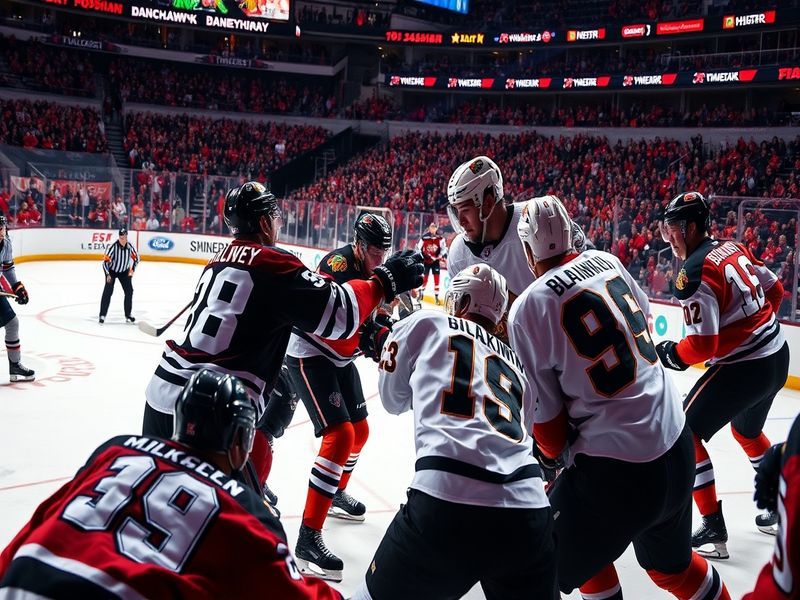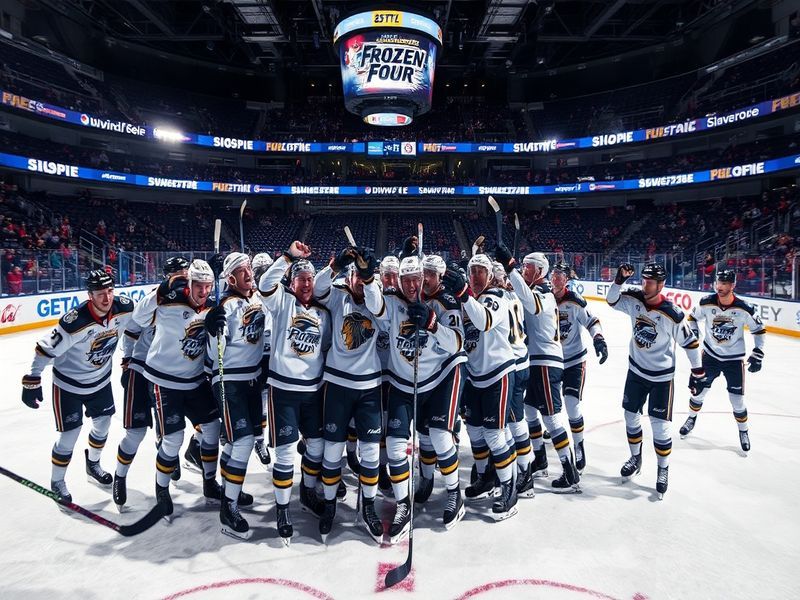
The Frozen Four isn’t just a tournament—it’s the pinnacle of college hockey, where legends are forged on ice and futures are decided in sudden-death overtime. Unlike professional leagues, where star power often overshadows the game itself, the Frozen Four thrives on pure, unfiltered competition. Teams battle not for multimillion-dollar contracts but for the chance to etch their names into history with a national championship. This is where Cinderella stories collide with blue-blood programs, and where every slapshot, save, and score carries the weight of a season’s worth of dreams.
The Frozen Four’s legacy stretches back to 1948, when the NCAA first crowned a national champion in college hockey. What began as a modest competition has evolved into a spectacle watched by thousands in arenas and millions more on television. The tournament’s name, inspired by its final four-team format, reflects the icy battleground where the sport’s fiercest rivalries play out. For players, coaches, and fans alike, the Frozen Four is more than a championship—it’s a rite of passage.
The Road to the Frozen Four: What It Takes to Compete
Reaching the Frozen Four isn’t merely about talent—it’s about resilience, strategy, and the ability to perform under pressure. The journey begins with a grueling regular season, where teams fight for positioning in their conferences. The top teams then advance to conference tournaments, where one loss can end a season before the NCAA Tournament even begins. For underdog programs, the road is even steeper. Schools like Minnesota State, which entered the 2023 tournament as a No. 1 seed, prove that blue-collar determination can topple even the most storied programs.
Once in the NCAA Tournament, the stakes escalate. The single-elimination format leaves no room for error, turning every game into a high-stakes chess match. Coaches must manage lines, goaltending matchups, and special teams with surgical precision. Players, meanwhile, face the mental toll of knowing one bad shift could end their season. The Frozen Four’s intensity is unmatched in college sports, where the difference between victory and defeat often comes down to inches—or a single deflected puck.
To better understand what separates the contenders from the pretenders, consider these key factors:
- Goaltending: A hot goaltender can carry a team deep into the tournament. Think of Michigan’s 2023 title run, where goaltender Erik Portillo stood on his head in multiple games.
- Special Teams: Power plays and penalty kills decide close games. Teams like Denver and Boston College excel in these situations, turning special teams into weapons.
- Depth: College hockey is a marathon, not a sprint. Depth on the bench and in the lineup ensures teams can weather injuries and fatigue.
- Culture: Programs like North Dakota and Wisconsin thrive because of their winning traditions. Culture breeds consistency, which is critical in high-pressure situations.
The Frozen Four’s Cultural Impact Beyond the Ice
The Frozen Four’s influence extends far beyond the rink. For many schools, hockey is a way of life—a tradition passed down through generations. At the University of Minnesota, for example, hockey isn’t just a sport; it’s a cultural touchstone. The school’s historic arena, 3M Arena at Mariucci, sells out for almost every home game, and the Frozen Four provides a chance to showcase that passion on a national stage. Similarly, programs like Boston College and Boston University have cultivated hockey cultures that rival those of NHL markets, proving that college hockey can thrive outside traditional hockey hotbeds.
Beyond the collegiate level, the Frozen Four serves as a pipeline for NHL talent. Every year, a handful of players from the tournament are drafted into the league, and some—like Auston Matthews (Michigan) and Johnny Gaudreau (Boston College)—become household names. The tournament also gives lesser-known players a chance to shine. Undrafted free agents and late-round picks often use the Frozen Four as a springboard to professional careers, proving that perseverance can trump pedigree.
The event’s cultural significance is also evident in its fanbase. Unlike other college sports, where alumni and students dominate the stands, hockey fans come from all walks of life. Families, die-hard supporters, and even casual observers are drawn to the Frozen Four’s electric atmosphere. The tournament’s location, often in neutral cities, adds to its appeal, making it a true national showcase for the sport.
Why the Frozen Four Matters in the College Sports Landscape
In an era where college sports are increasingly dominated by revenue and commercialization, the Frozen Four remains a bastion of purity. While football and basketball programs grapple with NIL (Name, Image, Likeness) deals and transfer portals, college hockey players often commit to their programs early and stay for the long haul. The Frozen Four’s emphasis on teamwork, tradition, and amateurism offers a refreshing contrast to the chaos of other sports.
Financially, the Frozen Four is a lifeline for smaller programs. Schools like Bemidji State and Lake Superior State have used tournament success to elevate their programs, attracting recruits and donors who might otherwise overlook them. The exposure that comes with participating in the Frozen Four can transform a school’s hockey program overnight, creating a ripple effect that benefits the entire athletic department.
Moreover, the Frozen Four plays a crucial role in growing the sport itself. With the NHL expanding into non-traditional markets like Las Vegas and Seattle, the need for grassroots development has never been greater. The Frozen Four inspires young players across the country, giving them a tangible goal to strive for. Programs like Minnesota’s youth hockey system and Massachusetts’ growing interest in the sport owe much to the visibility the tournament provides.
For fans, the Frozen Four is a reminder of why they fell in love with hockey in the first place. There are no million-dollar contracts, no egos clashing in locker rooms—just pure, unadulterated competition. The tournament’s ability to deliver drama, heartbreak, and triumph in equal measure ensures its place as one of college sports’ most beloved events.
A Look Ahead: The Frozen Four’s Future
The Frozen Four’s future is as bright as the ice beneath the skates. With the NCAA expanding its tournament field to 16 teams in 2024, more programs than ever will have a chance to compete for a national title. This change could democratize the tournament, giving smaller schools a clearer path to the Frozen Four and increasing the unpredictability that fans crave.
Technological advancements are also reshaping the sport. Video review, advanced analytics, and improved training methods are leveling the playing field, allowing underdog teams to compete with the traditional powerhouses. Social media, meanwhile, has given fans unprecedented access to players and coaches, creating a deeper connection between the game and its audience.
Yet, despite these changes, the Frozen Four’s essence remains unchanged. It is still a celebration of amateur athleticism, a stage for future NHL stars, and a testament to the enduring appeal of college hockey. As long as there are rinks, pucks, and dreams, the Frozen Four will continue to captivate audiences and produce moments that transcend the sport.
For fans, the anticipation of another Frozen Four is like waiting for the first snowfall—it’s inevitable, it’s magical, and it’s worth every second of the wait.
To stay updated on the latest college hockey news and tournament updates, visit Dave’s Locker Sports.