Amazon Prime Day 2024: Deals, Data, and the Future of Retail
Prime Day’s Surprising Evolution Beyond the Discount Circus
Amazon Prime Day began in 2015 as a one-day flash sale exclusively for members of the company’s paid loyalty program. What started as a modest experiment—offering 60,000 deals across electronics, books, and household staples—has since ballooned into a retail event that spans 48 hours and spans multiple countries. In 2024, the two-day shopping extravaganza generated over $14 billion in global sales, according to industry estimates, cementing its place as one of the most lucrative calendar events for both Amazon and its third-party sellers.
Yet beneath the surface of banner discounts and viral deals lies a more complex narrative. Prime Day is no longer just about price slashing; it has become a strategic tool for Amazon to reinforce customer loyalty, gather behavioral data, and squeeze competitors in categories like groceries, fashion, and home goods. The event now functions as a pressure test for supply chains, a litmus test for consumer confidence, and even a barometer for broader retail trends.
The Anatomy of a Prime Day Deal: How Discounts Are Engineered
Not all Prime Day discounts are created equal. Amazon’s algorithmic pricing system uses real-time demand forecasting, competitor pricing, and inventory levels to adjust offers dynamically. Deals are categorized into three main types: Lightning Deals (limited-quantity, time-sensitive offers), Deals of the Day (deep discounts on high-demand items), and Savings & Sales (broader markdowns across entire categories).
What many shoppers don’t realize is that these discounts are often pre-negotiated with manufacturers months in advance. Brands pay for placement and visibility, sometimes subsidizing the discounts themselves to maintain market share. A 2023 report from Marketplace Pulse found that over 70% of top Prime Day deals originated from marketplace sellers—third-party vendors who leverage Amazon’s traffic to clear excess inventory or liquidate seasonal stock. This creates a paradox: consumers believe they’re getting unbeatable prices, while sellers are often trading margin for volume.
To uncover the best bargains, savvy shoppers rely on tools like CamelCamelCamel, Keepa, or Honey, which track historical pricing and alert users when a deal hits a true low. But even with these resources, the timing of purchases remains crucial. Analysts at Consumer Intelligence Research Partners noted that prices on certain electronics items drop as much as 30% the moment the event begins, only to rise incrementally in the final six hours—a deliberate strategy to encourage last-minute spending.
The Psychological Playbook Behind Prime Day’s Urgency
Amazon has mastered the art of creating artificial scarcity. Countdown timers, low-stock alerts, and “only X left!” notifications are designed to trigger the fear of missing out (FOMO). A 2022 study published in the Journal of Retailing and Consumer Services found that shoppers exposed to real-time inventory cues were 23% more likely to complete a purchase within 10 minutes of seeing the alert.
The platform also exploits peak shopping windows. While the official event lasts 48 hours, Amazon often extends “early access” periods for Prime members, then launches a second wave of deals midway through the second day. This segmented approach keeps engagement high and encourages repeat visits. In 2023, the company reported that 42% of Prime Day shoppers made purchases on both days, with the average user spending $158—a figure that has steadily climbed each year.
Beyond the mechanics, Prime Day reflects a broader cultural shift toward event-based consumption. It mirrors the Super Bowl’s role in advertising or Black Friday’s ritualistic chaos. The difference? Prime Day is designed to feel exclusive, personalized, and frictionless. One-click checkout, free same-day delivery for many items, and integration with smart home devices like Alexa remove every possible barrier to purchase.
Small Businesses and the Double-Edged Sword of Prime Day
For independent sellers on Amazon’s marketplace, Prime Day can be a lifeline or a liability. According to a 2024 survey by Feedvisor, 58% of third-party sellers reported increased revenue during the event, but 34% struggled with negative profit margins due to Amazon’s referral fees (which can reach 15% per sale) and the cost of sponsored ads to compete for visibility.
Brands like toy manufacturers and home and garden suppliers often see a 300–500% spike in sales during Prime Day, but they must balance discounting with long-term brand equity. Over-discounting can erode perceived value, while under-promoting risks being buried in search results. Many opt for a hybrid approach: offering modest discounts while investing in Amazon Ads to capture high-intent shoppers.
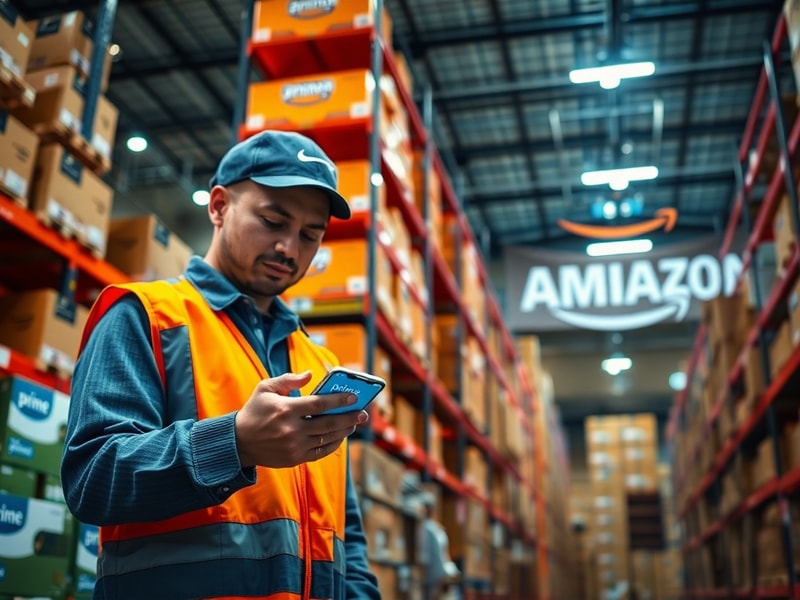
Yet the real challenge lies in fulfillment. Amazon’s warehouses become overwhelmed during Prime Day, leading to delays, stockouts, and increased stress for sellers managing their own inventory. Some small businesses now choose to opt out of the event entirely, preferring to focus on organic growth through SEO and customer reviews. Others time their promotions to coincide with Prime Day to piggyback on the traffic surge, even if it means accepting lower margins.
The ripple effects extend beyond Amazon. Many sellers report that Prime Day cannibalizes sales from their own websites and other marketplaces like Walmart or eBay. The event has forced a reckoning: either adapt to Amazon’s ecosystem or risk being left behind in the race for visibility.
What Prime Day Reveals About the Future of Retail
Prime Day isn’t just a shopping holiday—it’s a laboratory for the future of commerce. As brick-and-mortar retailers struggle to compete with Amazon’s logistics and pricing power, events like Prime Day are becoming a blueprint for how e-commerce dominates the retail calendar. Walmart, Target, and even niche platforms like Etsy have launched their own “Prime Day-style” sales, turning the entire summer into a discount marathon.
Another trend to watch is the integration of AI and personalization. In 2024, Amazon rolled out AI-generated deal recommendations based on browsing history, purchase patterns, and even voice interactions with Alexa. Shoppers who asked, “Alexa, what’s on sale today?” received tailored suggestions, blending conversational commerce with event-driven retail.
Sustainability is also entering the conversation. With growing scrutiny over fast fashion and electronic waste, Amazon has started promoting “sustainable deals” on refurbished electronics, recycled materials, and energy-efficient appliances. While critics argue this is a greenwashing tactic, the shift reflects consumer demand for more responsible consumption—even during a discount frenzy.
Looking ahead, Prime Day’s success will depend on Amazon’s ability to maintain the illusion of exclusivity while expanding its reach. The company has already tested multi-day events, global expansions, and even partnerships with non-retail brands (like credit card issuers offering cashback bonuses). Yet the core tension remains: as Prime Day grows, its discounts become less surprising, and its urgency less compelling. The next phase may hinge on experiences rather than products—think virtual try-ons, augmented reality shopping, or gamified rewards that make the event feel like more than just a sale.
Is Prime Day Worth It? A Cost-Benefit Reality Check
Consumers should approach Prime Day with a clear strategy. The event is ideal for planned purchases—items you’ve researched and intend to buy anyway—but it’s less effective for impulse buys. A 2023 survey by Deloitte found that 62% of shoppers regretted at least one Prime Day purchase within a month, often due to buyer’s remorse or realizing they didn’t need the item in the first place.
If you’re not already a Prime member, the $139 annual fee may not be justified by a single event. However, Amazon often offers a free 30-day trial, which can be a low-risk way to test the platform’s benefits. For frequent shoppers, the perks—free shipping, Prime Video, and exclusive early access—can offset the cost over time.
To avoid overspending, set a budget before browsing. Use Amazon’s “Save for Later” feature to curate a shortlist of items, then revisit them after the initial rush subsides. Many deals remain active for days or even weeks post-event, giving latecomers a chance to capitalize on the same discounts without the pressure.
For those who do participate, the best returns often come from everyday essentials—paper towels, pet food, or office supplies—rather than big-ticket electronics, where the savings may be minimal. Household staples are less likely to experience price volatility later in the year, making them safer bets.
Conclusion: Beyond the Hype, a New Retail Paradigm
Prime Day has evolved from a simple sales gimmick into a cultural and economic force. It reflects Amazon’s relentless pursuit of customer loyalty, data dominance, and operational efficiency. Yet its long-term impact extends beyond Amazon itself, shaping how brands, small businesses, and even competitors operate in an increasingly digital marketplace.
The event’s success hinges on a delicate balance: sustaining excitement without diluting the value of its core offering. As shoppers become more discerning and regulators scrutinize Amazon’s practices, the company will need to innovate beyond discounts—perhaps through sustainability initiatives, community-building features, or even hybrid physical-digital experiences.
For now, Prime Day remains a testament to Amazon’s ability to turn commerce into an event. Whether it’s worth participating in depends entirely on how you engage with it. Approach it with intention, and it can be a strategic opportunity. Approach it impulsively, and it may just be another bill to regret.