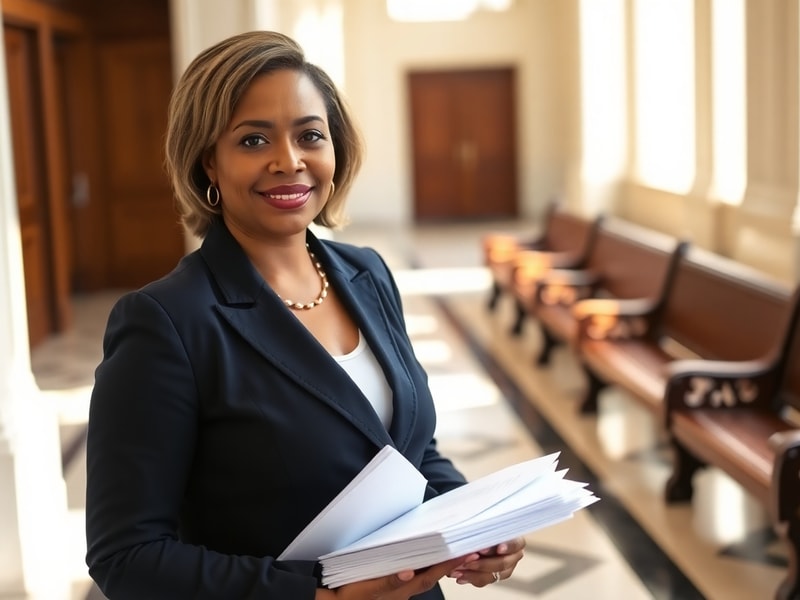
In the quiet coastal town of Crystal River, Florida, a name has quietly emerged from the shadows of local politics and community activism. Crystal Lawson, a municipal attorney and former city commissioner, has become a polarizing figure whose career has drawn both admiration and scrutiny. Her journey from a small-town lawyer to a figure of contention in Florida’s political landscape reflects broader tensions in municipal governance, environmental policy, and public service.
Who Is Crystal Lawson?
Crystal Lawson is a Florida-based attorney who has spent much of her career working in local government. Born and raised in Crystal River—a town known for its natural springs and tourism—Lawson developed an early connection to the region’s environmental and economic challenges. After earning her law degree, she returned to the area, where she quickly became involved in local politics.
Lawson first gained attention as a member of the Crystal River City Commission, serving from 2016 to 2020. During her tenure, she was vocal about issues such as water quality, growth management, and economic development. Her approach often clashed with other commissioners, particularly on matters involving environmental regulations and development projects. Critics accused her of being obstructionist, while supporters praised her for prioritizing long-term sustainability over short-term gains.
After leaving the commission, Lawson returned to practicing law, focusing on municipal and environmental law. Her cases have frequently intersected with the challenges facing Florida’s coastal communities, including issues related to water rights, zoning disputes, and conservation efforts. This background has made her a familiar figure in regional debates over Florida’s environmental future.
Key Controversies and Legal Battles
Lawson’s career has not been without controversy. Her involvement in several high-profile cases has drawn both praise and criticism, highlighting the complex balance between development and preservation in Florida.
One of her most notable cases involved a legal challenge against a proposed development near a protected wetland area. Lawson represented a local environmental group seeking to block the project on the grounds that it violated state water quality standards. The case dragged on for years, becoming a rallying point for conservation advocates and a thorn in the side of developers. While the project ultimately moved forward with modifications, the case underscored Lawson’s willingness to take on powerful interests in defense of environmental protections.
Another flashpoint in Lawson’s career was her opposition to a city contract that awarded a lucrative waste management deal to a company with ties to a sitting commissioner. She argued that the process lacked transparency and that the contract would result in higher costs for residents. The dispute led to public hearings, investigations, and eventually, the commissioner’s resignation. For supporters, this demonstrated Lawson’s commitment to accountability. For detractors, it was evidence of her propensity for conflict and her inability to work collaboratively.
Lawson has also been a vocal critic of Florida’s preemption laws, which limit the ability of local governments to enact stricter regulations than the state. She has argued that these laws disproportionately favor corporate interests and undermine the autonomy of communities like Crystal River to protect their unique environments. Her stance on this issue has resonated with local activists but has also drawn pushback from state lawmakers and business groups who see preemption as a necessary tool for economic consistency.
Broader Implications and the Future of Local Governance
The rise of figures like Crystal Lawson reflects broader trends in Florida’s political and environmental landscape. As climate change intensifies and development pressures mount, communities across the state are grappling with how to balance growth with sustainability. Lawson’s career offers a case study in the challenges and opportunities of local activism in this environment.
For one, her story highlights the growing role of lawyers in environmental advocacy. Municipal attorneys like Lawson often serve as both legal advisors and public advocates, using their expertise to shape policy and challenge decisions that threaten natural resources. This dual role can be powerful but also contentious, as it places attorneys in the uncomfortable position of advocating against their own clients—their municipal governments.
Lawson’s career also underscores the limitations of local governance in Florida. The state’s preemption laws and centralized control over environmental regulations often leave municipalities with little recourse to address pressing issues. This has led to a wave of grassroots activism, where residents and advocacy groups turn to the courts or public pressure to effect change. In this context, figures like Lawson become both symbols of resistance and targets for backlash from those who prioritize economic development over environmental protection.
Looking ahead, Lawson’s influence may extend beyond Crystal River. As Florida continues to face challenges such as sea-level rise, water scarcity, and habitat destruction, the demand for legal and political advocates who can navigate these issues will only grow. Whether Lawson’s approach—combative, principled, and uncompromising—will become a model for others remains to be seen. What is clear is that her career has already sparked important conversations about the role of local leaders in shaping Florida’s future.
What’s Next for Crystal Lawson?
The future of Crystal Lawson’s career remains uncertain, but a few possibilities stand out. One is that she could continue to build her legal practice, taking on more cases that align with her environmental and governance priorities. Alternatively, she may seek higher office, either at the county or state level, where her experience and visibility could give her a platform to influence broader policy debates.
Another possibility is that her career becomes a cautionary tale about the limits of local activism in Florida. The state’s political environment is increasingly hostile to dissenting voices, particularly those who challenge the status quo. If Lawson’s efforts to effect change continue to meet resistance, it could serve as a warning to others about the challenges of navigating Florida’s complex legal and political landscape.
Regardless of what comes next, Crystal Lawson’s story is a reminder of the power—and the limitations—of local leadership in shaping the future of Florida’s communities. For those who share her concerns about environmental protection and democratic accountability, her career offers both inspiration and a sobering look at the road ahead.
For more on Florida’s evolving political and environmental landscape, explore our News and Analysis sections. These pages offer deeper insights into the forces shaping the state’s future and the individuals driving these debates.
As Florida continues to change, the role of voices like Crystal Lawson’s will only grow more significant. Whether she is remembered as a champion for her community or a divisive figure in its history, her career forces us to confront difficult questions about the balance between progress and preservation in the Sunshine State.