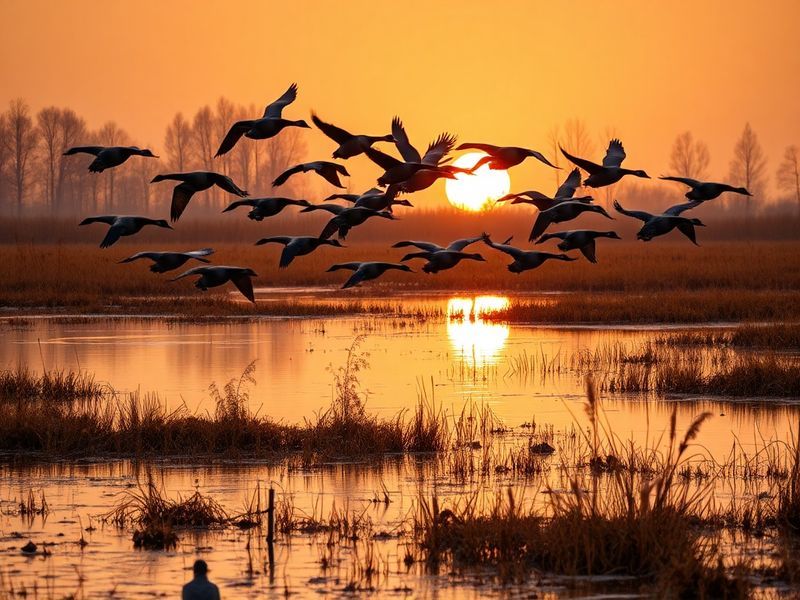
Each year, the solstice marks a fleeting but profound moment when Earth’s axial tilt tilts closest to or away from the sun. Depending on the hemisphere, the solstice signals the longest day or the longest night, a celestial pivot that has shaped calendars, crops, and cultures for millennia. While modern life often blurs these natural rhythms, the solstice remains a tangible reminder of humanity’s ancient connection to the cosmos.
The Science Behind the Solstice
The solstice occurs because Earth is tilted on its axis by about 23.5 degrees. During the June solstice, the Northern Hemisphere leans toward the sun, receiving more direct sunlight and experiencing its longest day of the year. Simultaneously, the Southern Hemisphere tilts away, ushering in the shortest day and the start of winter. Six months later, the roles reverse during the December solstice.
The precise timing of the solstice varies slightly each year due to Earth’s elliptical orbit and gravitational influences from the moon and other planets. In 2024, the June solstice arrives at 20:51 UTC on June 20, while the December solstice lands at 09:20 UTC on December 21. These moments aren’t just astronomical curiosities; they’ve been critical for agricultural societies that relied on the sun’s path to plan planting and harvest cycles.
A Global Tapestry of Celebrations
From the Arctic Circle to the equator, cultures have woven the solstice into their traditions, often blending ancient rituals with contemporary festivities. In Scandinavia, the summer solstice is celebrated as Midsummer, a festival of light featuring flower crowns, bonfires, and all-night dancing. Swedes gather to raise maypoles, their circular dances mimicking the sun’s movement across the sky. Meanwhile, in Peru, the Inca heritage comes alive during Inti Raymi, the Festival of the Sun, where thousands gather at Sacsayhuamán to honor Inti, the sun god.
In contrast, the winter solstice has inspired solace and celebration in equal measure. In China, the Dongzhi Festival celebrates the return of longer days with family reunions and foods like tangyuan, sweet rice balls symbolizing unity. In Iran, the winter solstice aligns with Yalda Night, a time for poetry readings, pomegranate consumption, and staying up late to ward off darkness. These traditions underscore a universal human response to the solstice: a blend of awe, preparation, and communal joy.
The Solstice in Modern Times
Today, the solstice is less about survival and more about connection—both to nature and to each other. Urbanization and artificial lighting have diminished the solstice’s immediate impact on daily life, yet its cultural resonance persists. Cities like Reykjavik and Edinburgh host vibrant solstice festivals, drawing crowds eager to experience the year’s longest daylight. Even in places where the solstice passes unnoticed, social media amplifies its significance, with hashtags like #Solstice2024 trending as people share sunrise photographs and reflections on seasonal change.
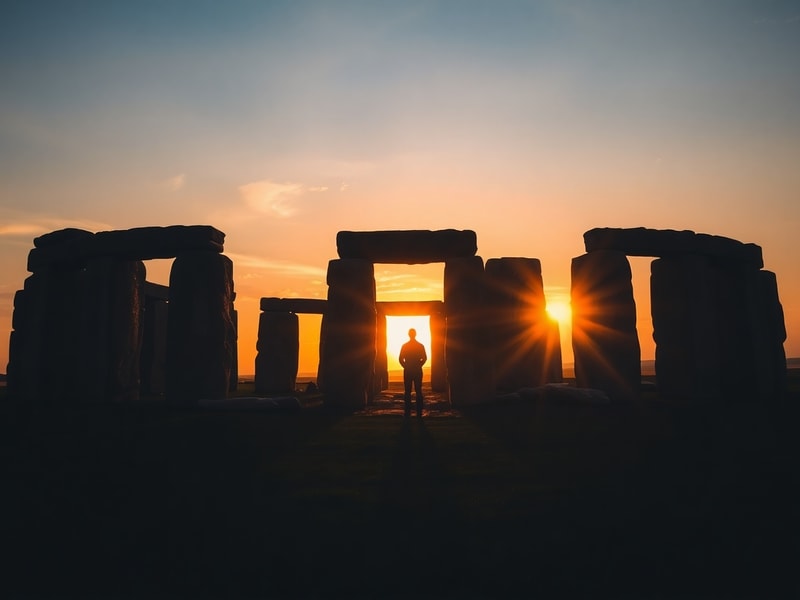
Science and spirituality often intersect around the solstice. Archaeoastronomers study ancient sites like Stonehenge, where the solstice sun aligns perfectly with the Heel Stone, suggesting a deliberate connection to celestial events. At the same time, modern wellness movements embrace the solstice as a time for renewal, advocating practices like yoga retreats or digital detoxes timed to the sun’s zenith or nadir. Whether through ancient ruins or Instagram posts, the solstice endures as a bridge between past and present.
How to Observe the Solstice
You don’t need a PhD in astronomy or ancestral traditions to honor the solstice. Simple rituals can deepen your connection to this celestial event. Start by tracking the sun’s position at sunrise or sunset; note how it shifts over the weeks leading up to and following the solstice. Create a solstice altar with natural elements like sunflowers, pinecones, or crystals that resonate with you. If you’re feeling adventurous, plan a sunrise hike or a stargazing session under the year’s longest night.
For those who prefer community, many local parks and cultural centers host solstice gatherings. Check listings for drum circles, guided meditations, or even solstice-themed food festivals. If you’re crafty, try making a solstice wreath from foraged materials or baking bread shaped like the sun. These small acts can transform the solstice from a mere date on the calendar into a meaningful pause in the year’s rhythm.
Technology offers another layer of engagement. Apps like Stellarium or TimeandDate.com provide real-time solstice data, while livestreams from Stonehenge or other iconic sites let you witness the event remotely. Just remember: the goal isn’t perfection, but presence. Whether you’re alone or surrounded by loved ones, the solstice invites you to pause and reflect on the passage of time.
The solstice is more than an astronomical event; it’s a mirror held up to humanity’s relationship with the natural world. In an era dominated by screens and schedules, it offers a rare opportunity to realign with the rhythms of the Earth. As the sun reaches its peak or its lowest arc, we’re reminded that light and darkness are not opposites, but partners in the cycle of life. This year, take a moment to step outside, feel the sun’s warmth, and acknowledge the quiet magic of the solstice.