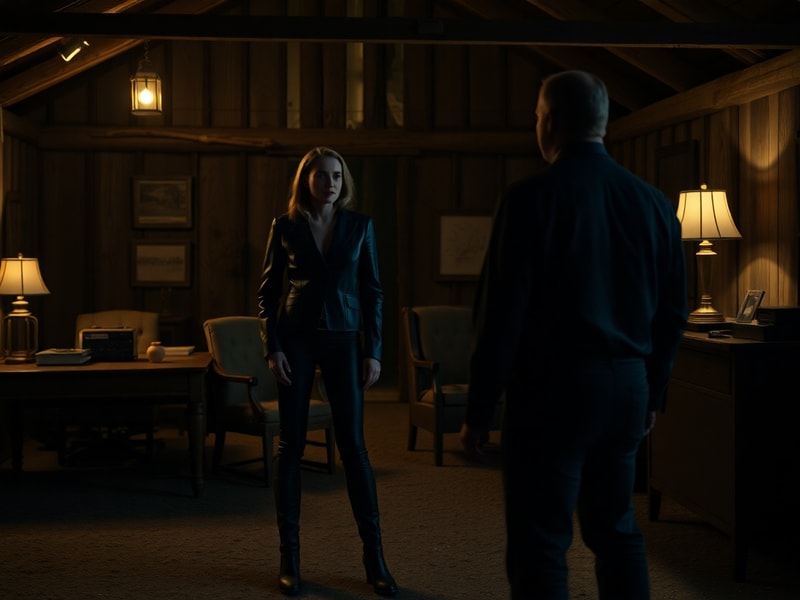
Dutton Ranch Episode 7 Recap: Survival and Sacrifice in 1923
Episode 7 of Yellowstone’s spin-off 1923 delivers another layer of raw Western drama, this time through the lens of the Dutton family’s unrelenting struggle against time, nature, and human greed. Set against the unforgiving backdrop of 1920s Montana, the episode forces the Duttons to confront choices that will echo across generations. As the ranch faces drought and financial ruin, the family’s resilience is tested like never before. The tension escalates not just from external threats but from internal fractures that threaten to split the Duttons apart.
The Drought’s Toll: A Silent Killer
One of the most striking elements in Episode 7 is the portrayal of the Great Plains drought of the 1920s. The visual contrast between the lush pastures of earlier episodes and the cracked, parched earth of this installment is stark. The Dutton Ranch, once a symbol of prosperity, now struggles to keep its cattle alive. The drought isn’t just a plot device—it’s a historical reality that reshaped American agriculture. Farmers and ranchers across the Midwest abandoned their land in droves, migrating west in search of water and opportunity. The Duttons, however, refuse to leave. Their stubbornness becomes both a strength and a vulnerability.
Jacob Dutton’s leadership is tested as he grapples with the economic fallout. The episode highlights his role not just as a rancher but as a reluctant decision-maker. His internal conflict mirrors the broader societal tension of the era: tradition versus survival. The drought forces him to consider drastic measures, including selling off land or taking out loans from predatory lenders. These choices aren’t just financial—they’re moral. The Dutton name, built on honor and hard work, now hangs in the balance.
Family Fractures: Blood and Betrayal
Episode 7 also deepens the rift between Jacob and his brother, Milton. Their differing visions for the ranch create a palpable divide. Jacob, the traditionalist, believes in holding onto the land at all costs. Milton, ever the pragmatist, sees the writing on the wall. He advocates for compromise, even if it means bending the family’s unspoken rules. Their arguments aren’t just about strategy—they’re about identity. The Dutton Ranch isn’t just property; it’s a legacy. To sell or compromise is to betray the sacrifices of those who came before.
This conflict resonates globally, where families often grapple with preserving heritage amid modern pressures. In countries like Italy and Japan, centuries-old family businesses face similar dilemmas. Younger generations, influenced by globalization, may push for innovation, while elders cling to tradition. The Duttons’ struggle is a microcosm of this universal tension. Their inability to reconcile these differences could have dire consequences—not just for them, but for the land they’ve sworn to protect.
The Arrival of Outsiders: A Threat from Within
The episode introduces a new antagonist: the railroad tycoons who see the Dutton land as a strategic asset. Their arrival isn’t just a business transaction—it’s a cultural invasion. The railroads symbolize the industrialization that was sweeping across America in the 1920s, disrupting the old ways of life. For the Duttons, who view the land as sacred, this encroachment feels like sacrilege. The episode masterfully contrasts the Duttons’ agrarian lifestyle with the cold, calculated approach of the railroad executives. One scene, in particular, shows a railroad surveyor casually measuring the land while Jacob watches from a distance, his face a mask of barely contained fury.
The tension escalates when the railroad offers a seemingly generous deal—one that could save the ranch from ruin. But as Jacob knows, accepting such an offer would mean surrendering the family’s autonomy. The episode forces viewers to ask: How far is too far when it comes to survival? This question isn’t unique to the Duttons. In countries like Brazil, indigenous communities face similar pressures from agribusiness and mining corporations. The fight to protect land isn’t just about economics—it’s about culture, identity, and the right to exist on one’s own terms.
The Women of 1923: Quiet Strength in a Man’s World
While the episode centers on the men of the Dutton family, the women—particularly Alexandra—are far from passive. Alexandra’s role as Jacob’s wife is multifaceted. She’s a partner in the truest sense, offering counsel and support, but she’s also a survivor in her own right. Her resilience is evident in the way she navigates the ranch’s daily challenges, from managing the household to mediating between Jacob and Milton. In an era where women’s voices were often silenced, Alexandra’s presence is a subtle but powerful statement.
Her character also reflects the changing roles of women in the 1920s. The decade marked the rise of the “New Woman,” who challenged traditional gender norms. Alexandra’s quiet strength challenges the idea that women were merely spectators in the family’s struggles. She’s not just a supporting character—she’s a driving force. This portrayal aligns with global movements, from the suffragettes in Europe to the women leading labor strikes in the United States. The Duttons’ story, while set in Montana, is part of a larger narrative about the fight for autonomy and respect.
A Glimpse into the Future
As Episode 7 draws to a close, the Duttons stand at a crossroads. The drought continues to ravage the land, the railroad’s offers grow more enticing, and the family’s internal divisions deepen. The episode ends on a note of uncertainty, leaving viewers to wonder what choices Jacob will make. Will he cling to tradition, even if it means ruin? Or will he compromise, risking the family’s legacy? These questions aren’t just about the Duttons—they’re about the future of the American West, a region that has always been defined by struggle and resilience.
The episode’s global relevance can’t be overstated. From the Australian outback to the African savannah, families face similar battles against encroaching modernity. The Duttons’ story is a reminder that the fight for land and identity is universal. It’s not just about survival—it’s about what we’re willing to sacrifice to hold onto what we love.
For fans of Yellowstone and 1923, Episode 7 is a masterclass in tension and character development. It’s a reminder that the Dutton Ranch isn’t just a setting—it’s a character in its own right, shaped by history, family, and the unrelenting force of nature. As the series hurtles toward its climax, one thing is clear: the Duttons’ story is far from over.