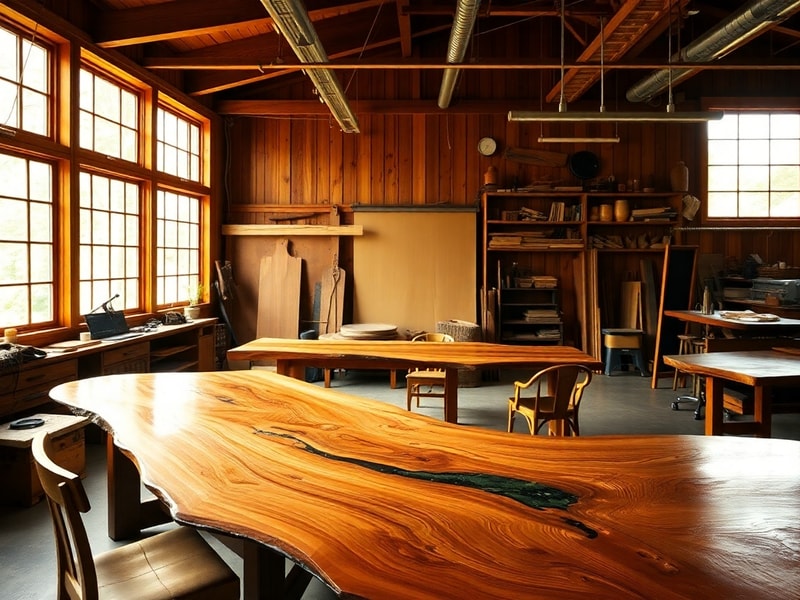
Nakashima is a name that resonates across multiple industries, from furniture craftsmanship to automotive innovation. The term itself carries a sense of precision, artistry, and cultural significance, often associated with high-quality woodworking and bespoke design. But Nakashima isn’t just a brand or a surname—it’s a legacy that has shaped how we perceive handcrafted furniture and even influenced modern manufacturing techniques. To understand its full impact, we need to explore its origins, its evolution, and the industries it has touched.
The Origins of Nakashima: A Legacy of Craftsmanship
The story of Nakashima begins in the early 20th century with George Nakashima, a Japanese-American woodworker whose name became synonymous with the art of furniture making. Born in 1905 in Spokane, Washington, Nakashima’s journey took him from architecture studies at the University of Washington to internment during World War II, an experience that deepened his connection to traditional Japanese woodworking techniques. After the war, he settled in New Hope, Pennsylvania, where he established his workshop and began creating pieces that blended Japanese aesthetics with American functionality.
Nakashima’s philosophy centered on the idea of “the soul of the tree.” He believed that wood should be respected in its natural form, with imperfections like knots and cracks celebrated rather than hidden. This approach set his work apart from mass-produced furniture and established him as a pioneer in the studio furniture movement. His most iconic creations, such as the Conoid Chair and the Mira Chair, remain highly sought after by collectors and design enthusiasts alike.
Beyond his furniture, Nakashima’s influence extended to his writings. His book, The Soul of a Tree: A Woodworker’s Reflections, offers a glimpse into his philosophy, emphasizing harmony between nature and craftsmanship. This book has become a cornerstone for aspiring woodworkers and designers, underscoring the timeless relevance of his ideas.
Nakashima in Modern Furniture Design
Today, the Nakashima brand continues under the leadership of his daughter, Mira Nakashima, who has carried on his legacy with her own innovative designs. The studio, now known as George Nakashima Woodworkers, remains operational in New Hope, producing furniture that adheres to the same principles of quality and craftsmanship established by George. Each piece is still handcrafted, often taking months to complete, which speaks to the dedication behind the brand.
Modern Nakashima furniture is characterized by its clean lines, organic shapes, and the use of sustainably sourced wood. The brand’s offerings include everything from dining tables and chairs to lighting fixtures and room dividers. What sets Nakashima apart in today’s market is its commitment to customization. Clients can request specific wood types, finishes, and dimensions, ensuring that each piece is tailored to their space and aesthetic preferences.
For those interested in high-end woodworking, Nakashima represents the gold standard. However, its exclusivity comes with a price tag that reflects the labor and expertise involved. A single Nakashima dining table can cost thousands of dollars, but for many, the investment is justified by the piece’s durability, beauty, and the story behind it. The brand’s pieces are often passed down through generations, becoming heirlooms that carry both sentimental and monetary value.
Beyond Furniture: Nakashima’s Influence on Other Industries
While Nakashima is best known for its furniture, its principles have seeped into other industries, particularly automotive design. The concept of blending natural materials with modern engineering has inspired designers in the car industry to incorporate wood and other organic elements into vehicle interiors. For example, brands like Lexus and Mercedes-Benz have collaborated with woodworkers to create custom dashboard finishes that evoke the warmth and texture of Nakashima’s pieces.
Another area where Nakashima’s influence is evident is in architecture. The principles of organic architecture, championed by Frank Lloyd Wright, share similarities with Nakashima’s approach. Both emphasize harmony with nature, the use of natural materials, and the integration of form and function. Nakashima’s work has been featured in architectural projects worldwide, from private residences to cultural institutions, proving that his designs transcend the boundaries of furniture.
Even in the realm of technology, Nakashima’s ethos has found a place. Companies like Apple and Microsoft have drawn inspiration from the idea of blending technology with natural materials. The use of wood in tech accessories, such as laptop stands and phone cases, reflects a growing consumer preference for products that feel tactile and grounded, much like Nakashima’s furniture.
The Future of Nakashima: Tradition Meets Innovation
As we move further into the 21st century, the Nakashima brand faces both challenges and opportunities. On one hand, the demand for handcrafted, sustainable furniture is on the rise, driven by a growing awareness of environmental issues and a desire for unique, high-quality products. On the other hand, the brand must navigate the pressures of mass production and globalization, which threaten to dilute the authenticity of handcrafted goods.
Mira Nakashima has taken steps to address these challenges by expanding the brand’s offerings to include more accessible pieces and collaborations with contemporary designers. These efforts aim to make Nakashima’s aesthetic more widely available while preserving the brand’s core values. Additionally, the studio has embraced digital tools to streamline certain aspects of the design process, such as 3D modeling and CNC routing, without compromising the handcrafted nature of the final product.
Looking ahead, Nakashima’s legacy will likely continue to inspire new generations of designers and artisans. The brand’s commitment to sustainability, craftsmanship, and the integration of natural materials aligns with the values of modern consumers who prioritize ethical consumption and quality over quantity. Whether through furniture, architecture, or even technology, Nakashima’s influence will endure as long as there is a demand for beauty, functionality, and a deep respect for the materials we use.
The story of Nakashima is a reminder that true artistry is timeless. It’s not just about creating objects; it’s about creating experiences and connections—between the maker and the material, the designer and the user, and ultimately, between humanity and nature. In a world increasingly dominated by disposable goods, Nakashima stands as a testament to the enduring power of craftsmanship and intentional design.