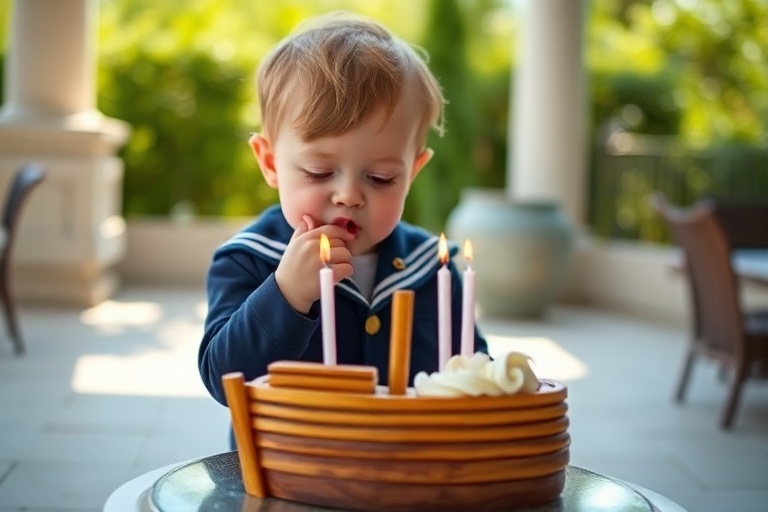
The Many Faces of Father’s Day: A Global Look at Celebrating Dads
Father’s Day is more than a single Sunday in June—it’s a patchwork of traditions, emotions, and cultural expressions that stretch from one continent to another. While the holiday’s modern origins trace back to early 20th-century America, its spirit has been adopted, adapted, and even reinvented across the globe. Some nations mark the day with gifts and heartfelt cards. Others embrace humor, outdoor feasts, or quiet reflection. What unites them all is a shared recognition: fatherhood, in all its forms, deserves a moment in the spotlight.
But how did Father’s Day become a worldwide phenomenon? And why do different cultures celebrate it so differently? To understand the holiday’s reach, we need to look beyond the greeting cards and grilled burgers and explore the deeper meanings attached to fatherhood in various societies. From East Asia’s multiday observances to Europe’s playful traditions, the way we honor fathers reveals as much about culture as it does about family.
The American Blueprint: How One Holiday Went Global
The idea of Father’s Day in the United States began in 1910, when a young woman named Sonora Smart Dodd campaigned to honor fathers after being inspired by Mother’s Day. She chose June 19—the month of her father’s birth—as the date, and by 1972, President Nixon made it a permanent national holiday. The American version leans heavily on sentimentality: ties, tools, and barbecues often top gift lists. It’s a day of gratitude, but also one that leans into nostalgia and family togetherness.
As American pop culture and commerce spread globally, so did the commercialized version of Father’s Day. Countries like the United Kingdom, Canada, and Australia adopted similar customs—cards, breakfasts in bed, and the occasional tie. But while the trappings may look the same, the emotional weight differs. In some places, the holiday is still evolving, while in others, it’s deeply rooted in ancient traditions that have little to do with ties or golf clubs.
Beyond the Tie: Father’s Day in East Asia
In Japan, Father’s Day arrives on the third Sunday in June, much like in the U.S., but the cultural expression couldn’t be more different. Instead of gifts, families often give chocolate—sometimes homemade, sometimes store-bought—packaged in elegant boxes. The focus isn’t on celebration but on gratitude, especially for fathers who work long hours to support their families. It’s a quiet moment, often marked by a family meal rather than grand gestures.
China takes a more structured approach. Father’s Day isn’t a national holiday, but it’s increasingly observed in urban areas, particularly among younger generations. In cities like Shanghai and Beijing, schools might host performances or craft-making sessions where children create handmade gifts. The day blends Confucian values of filial piety with modern consumer culture. While not as commercialized as in the West, it reflects a growing recognition of fathers’ roles in both family and society.
South Korea, meanwhile, takes a uniquely modern twist. Known as Bu-mo-il, Father’s Day falls on May 8, coinciding with Parents’ Day. The holiday is less about individual fathers and more about family as a unit. Children often present carnations, and families gather for meals. But perhaps the most distinctive feature is the way it’s celebrated alongside Parents’ Day—showing that in Korean culture, the contributions of both parents are valued equally.
Europe’s Playful and Spiritual Traditions
In Germany, Father’s Day—Vatertag—isn’t just a day for grilling or golf. It’s a public holiday, and men across the country take to the outdoors with wagons full of beer, food, and sometimes even musical instruments. Known as Herrentag (Gentlemen’s Day), it’s less about fathers specifically and more about male bonding. Groups of friends or families embark on hikes, often pulling wagons filled with supplies, stopping at local taverns along the way. It’s a day of camaraderie, sometimes leading to late-night revelry that continues into the next morning.
In countries like Spain and Italy, Father’s Day is tightly woven into Catholic traditions. Celebrated on March 19—St. Joseph’s Day—it honors not just fathers but father figures in a spiritual sense. Families attend church services, and children present gifts to their dads. In Spain, the day is marked by regional festivals, with parades, music, and feasts. It’s less about consumerism and more about community and faith. The holiday often includes buñuelos (fried dough balls) or other regional sweets, making it as much about food as it is about family.
In Scandinavia, where gender roles are often more balanced, Father’s Day is celebrated with understated warmth. In Sweden, for example, it’s observed on the second Sunday in November. Families might share a meal or spend time outdoors, reflecting the region’s emphasis on nature and simplicity. The holiday doesn’t carry the same weight as Christmas or Midsummer, but it’s a gentle reminder of the role fathers play in daily life.
When Father’s Day Isn’t in June: Unique Dates Around the World
Not every country celebrates Father’s Day in June. In Thailand, for instance, it falls on December 5, the birthday of the late King Bhumibol Adulyadej, who was deeply revered as a father figure to the nation. The day is marked with public ceremonies, parades, and yellow shirts—a color associated with the monarchy. It’s a rare example of a nation blending civic pride with personal gratitude, showing how Father’s Day can take on national significance.
In Brazil, Father’s Day is celebrated on the second Sunday in August, a date chosen in 1953 to honor Saint Joachim, the patron saint of fathers. The holiday is widely observed, with schools hosting performances and families sharing meals. But what makes Brazil’s version stand out is its connection to football. Many children give their fathers football jerseys or tickets to matches, blending sports culture with familial love.
Russia, too, has its own timeline. After the fall of the Soviet Union, Russia adopted the third Sunday in February as Father’s Day, aligning with European customs. But the holiday remains less commercialized than in the West, often overshadowed by International Men’s Day in November. Still, it’s growing in popularity, especially among younger generations who see it as a chance to honor their dads in new ways.
The Unspoken Side: What Father’s Day Reveals About Culture
Father’s Day isn’t just a calendar event—it’s a mirror. It reflects what societies value in fatherhood: sacrifice, strength, nurturing, or leadership. In cultures where fathers are seen primarily as breadwinners, the holiday often centers on gifts or meals that symbolize provision. In more egalitarian societies, it’s about shared responsibility and emotional connection.
It also highlights generational shifts. In many Western countries, younger generations are redefining fatherhood, emphasizing presence over presents. Social media campaigns now spotlight stay-at-home dads, single fathers, and LGBTQ+ parents, broadening the definition of what it means to be a father. These changes are slowly influencing how Father’s Day is celebrated, with more emphasis on inclusivity and authenticity.
Yet, even as traditions evolve, the core of Father’s Day remains constant: a day to pause and acknowledge the men who shape our lives. Whether through quiet reflection, boisterous celebration, or simple gestures, the holiday adapts to fit the culture—while always keeping the focus on gratitude.
As families around the world gather this year—whether over a meal, a hike, or a quiet moment—they’re participating in a global tradition that’s as old as time and as new as the latest viral TikTok trend.
How to Celebrate Father’s Day, No Matter Where You Are
So how can you make Father’s Day meaningful, whether you’re following tradition or forging your own path? Here are a few ideas from around the world:
- Go retro: In Germany, emulate Vatertag with a group hike and beer. Or, if you’re in Japan, bake dad a simple cake or give him a box of his favorite chocolates.
- Make it a family affair: In Sweden, take a nature walk or picnic. In Brazil, combine the day with a football match or a backyard tournament.
- Create a new ritual: Write a letter to your dad (or have your kids write one) about what he means to you. Or, if he’s no longer around, light a candle or plant a tree in his honor.
- Keep it simple: Sometimes, the best gift is time. Cook his favorite meal, watch a movie together, or just sit and talk without distractions.
No matter how you celebrate, the key is to make it personal. Father’s Day isn’t about the perfect gift or the most elaborate party—it’s about recognizing the unique role fathers play in our lives, whether they’re raising us, guiding us, or simply being there.
As cultures continue to blend and traditions evolve, one thing remains clear: the spirit of Father’s Day will endure. It’s a reminder that fatherhood, in all its forms, is worth celebrating—not just on one Sunday in June, but every day of the year.