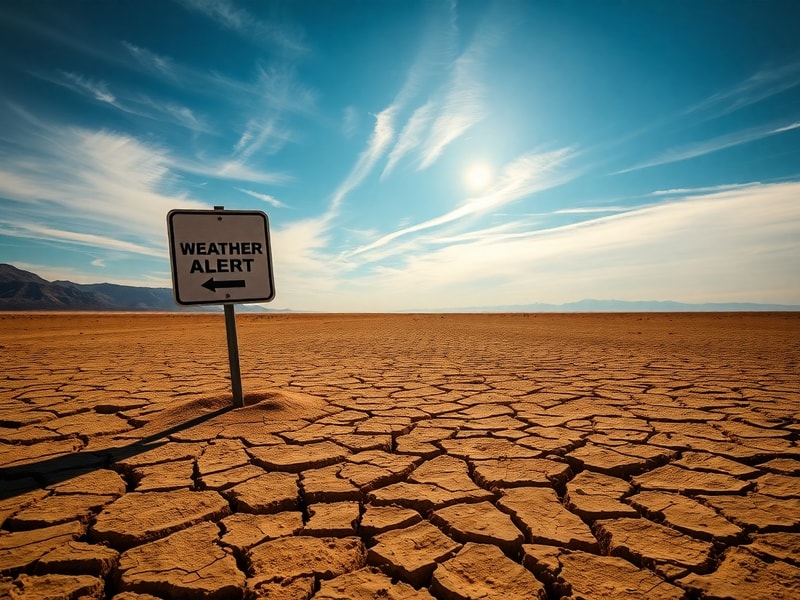
The National Weather Service’s Severe High Temperature Warning: What It Means and How to Stay Safe
When the National Weather Service issues a severe high temperature warning, it’s not just a suggestion to stay indoors—it’s a critical alert that can mean the difference between safety and heat-related illness. These warnings are reserved for the most extreme heat events, where temperatures and humidity levels combine to create dangerous conditions that can overwhelm the body’s ability to cool itself. Unlike heat advisories, which are more common, severe high temperature warnings are issued when prolonged exposure could lead to life-threatening situations, particularly for vulnerable populations.
The criteria for these warnings vary by region, but they typically consider factors like air temperature, humidity, and the duration of the heatwave. For example, in the southwestern United States, a warning might be triggered when temperatures exceed 110°F (43°C) for multiple days. In the Midwest or East Coast, warnings are often issued when the heat index—a measure of how hot it feels when humidity is factored in—reaches 105°F (41°C) or higher for at least 48 hours. These thresholds aren’t arbitrary; they’re based on decades of research linking extreme heat to spikes in hospitalizations and even fatalities.
What makes severe high temperature warnings particularly urgent is their potential to strain infrastructure and public health systems. Power grids can become overloaded as air conditioning demand surges, leading to blackouts that leave residents without relief. Hospitals, already stretched thin during heatwaves, may see an influx of patients suffering from heat exhaustion or heatstroke. The warnings also highlight the disproportionate impact on communities with limited access to cooling centers, reliable electricity, or adequate healthcare.
Who Is Most at Risk During Severe Heat Warnings?
While anyone can suffer from heat-related illness, certain groups are far more vulnerable. Infants and young children, whose bodies heat up three to five times faster than adults, are at higher risk of dehydration and heatstroke. Older adults, particularly those over 65, often have underlying health conditions or medications that impair their ability to regulate body temperature. People with chronic illnesses—such as heart disease, diabetes, or respiratory conditions—are also more susceptible to heat stress.
Outdoor workers, athletes, and anyone spending extended periods outside face elevated risks. Construction crews, farmworkers, and delivery drivers may not have the luxury of seeking shade or hydration breaks, making them prime candidates for heat-related emergencies. Even pets and livestock are affected; veterinarians report increased cases of heatstroke in animals during severe heat warnings. For these groups, the warning isn’t just a precaution—it’s a call to action to adjust schedules, take extra precautions, or seek safer environments.
Geographic location plays a role, too. Urban areas, with their dense buildings and pavement that trap heat, often experience higher temperatures than surrounding rural areas. This phenomenon, known as the urban heat island effect, can make cities up to 20°F (11°C) hotter than nearby suburbs. Residents in these areas may need to take additional steps, like visiting air-conditioned public spaces or checking on neighbors who might be isolated.
How to Prepare Before a Severe High Temperature Warning Is Issued
Preparation is key to minimizing risks when extreme heat is forecasted. Start by familiarizing yourself with local emergency plans. Many cities designate cooling centers—public places like libraries, community centers, or malls where residents can escape the heat. These locations are often listed on municipal websites or through local news outlets. If you or someone in your household is at high risk, identify the nearest cooling center and plan your route in advance.
Stock up on supplies at least 48 hours before the warning is expected to take effect. Water should be your top priority; aim for at least one gallon per person per day, plus extra for pets. Electrolyte-rich drinks can help replace lost salts, but avoid beverages with high sugar or caffeine content, as they can dehydrate you further. Non-perishable foods like canned goods, nuts, and dried fruit are ideal, as they require no cooking and can be stored safely without refrigeration.
Prepare your home by closing blinds or curtains during the day to block out sunlight. If you don’t have air conditioning, create cross-ventilation by opening windows on opposite sides of your home at night when temperatures drop. A fan can help circulate air, but it won’t lower the temperature significantly. Consider placing bowls of ice in front of a fan to create a makeshift air conditioner. For those without reliable cooling options, local organizations like Dave’s Locker’s Health section often share resources for finding temporary relief during heatwaves.
Don’t forget about your vehicle, either. Never leave children, pets, or vulnerable adults unattended in a parked car, even for a few minutes. Temperatures inside a car can rise 20°F (11°C) in just 10 minutes, reaching lethal levels within an hour. If you must travel during a heat warning, keep a supply of water in your car and park in shaded areas whenever possible.
What to Do During a Severe High Temperature Warning
Once the warning is active, the goal is to limit your exposure to heat as much as possible. If you must go outside, do so during the coolest parts of the day—early morning or late evening. Wear lightweight, loose-fitting clothing in light colors, and opt for wide-brimmed hats and sunglasses to shield yourself from direct sunlight. Apply sunscreen with at least SPF 30, as sunburn can impair your body’s ability to cool itself.
Stay hydrated by drinking water regularly, even if you don’t feel thirsty. Avoid alcohol, caffeine, and sugary drinks, as they contribute to dehydration. If you’re working or exercising outdoors, take frequent breaks in shaded or air-conditioned areas. The Centers for Disease Control and Prevention (CDC) recommends the “20-20 rule”: take a 20-minute break in the shade for every 20 minutes of work in extreme heat.
Keep an eye on the weather forecast and local alerts. Severe high temperature warnings are often updated as conditions change, and new information may prompt additional precautions. If you or someone else shows signs of heat exhaustion—such as heavy sweating, weakness, dizziness, nausea, or a rapid pulse—move to a cooler place immediately, loosen tight clothing, and sip water slowly. If symptoms worsen or include confusion, seizures, or loss of consciousness, seek emergency medical attention, as these could indicate heatstroke, a life-threatening condition.
For those caring for infants, young children, or pets, extra vigilance is required. Infants may not sweat efficiently, so check for signs of overheating like flushed skin or rapid breathing. Offer fluids frequently and avoid dressing them in heavy clothing. Pets should have access to shade and fresh water at all times, and walks should be limited to early morning or late evening. Never leave pets outside for extended periods, and avoid hot pavement, which can burn their paws.
Long-Term Strategies for Heat Resilience
While severe high temperature warnings are temporary, the increasing frequency and intensity of heatwaves are a long-term concern. Climate change is driving up global temperatures, and experts predict that heatwaves will become more common, longer-lasting, and more severe. Communities and individuals alike must adapt to these changes by implementing strategies that reduce heat risks year-round.
One of the most effective long-term solutions is improving urban infrastructure. Cities can invest in “cool roofs” by using reflective materials or green roofs covered in vegetation to reduce heat absorption. Expanding tree cover in parks and along streets provides shade and lowers local temperatures. Public cooling centers can be made more accessible by locating them near public transit and ensuring they’re open during extended hours.
On a personal level, retrofitting your home for better heat resilience can make a significant difference. Installing energy-efficient windows, adding insulation, and sealing gaps can keep indoor temperatures lower. Ceiling fans, while not a replacement for air conditioning, can help circulate air more effectively. For those who can’t afford or access traditional cooling systems, portable evaporative coolers or heat pumps are alternatives worth exploring.
Education is another critical component. Schools, workplaces, and community organizations should prioritize heat safety training, teaching people how to recognize and respond to heat-related illnesses. Public health campaigns can target high-risk groups with tailored advice, such as checking on elderly neighbors or providing hydration stations at outdoor events. Resources like Dave’s Locker’s Health section offer practical tips for staying safe in extreme heat, from recognizing symptoms to finding local cooling centers.
When the Warning Ends: Recovery and Reflection
Once temperatures drop and the severe high temperature warning is lifted, it’s easy to assume the danger has passed. However, the aftermath of extreme heat can still pose risks, particularly for vulnerable populations. Power outages during heatwaves may have disrupted access to air conditioning or refrigeration, leaving some households without safe food or medication storage. Checking in on neighbors, especially older adults or those with chronic illnesses, is a crucial step in the recovery process.
Heatwaves also strain local resources, from emergency services to public health departments. Hospitals may see a delayed surge in patients days after the heat has subsided, as complications from heat-related illnesses can take time to manifest. Communities should review their response to the warning, identifying gaps in preparedness or areas where additional resources are needed. Local governments can use these reflections to update emergency plans, ensuring they’re better equipped for future events.
For individuals, the end of a heat warning is a reminder to reassess personal preparedness. Review your emergency kit, restock any supplies used during the warning, and consider how you’ll adapt if another event occurs. If you experienced power outages or other disruptions, explore backup options like portable generators or battery-powered fans. Taking these steps now can save time and stress when the next warning is issued.
Severe high temperature warnings are more than just alerts—they’re a call to action. By understanding the risks, preparing in advance, and knowing how to respond during and after extreme heat events, we can protect ourselves, our loved ones, and our communities. The increasing frequency of these warnings underscores the need for both immediate and long-term strategies to build resilience. Whether through urban planning, personal preparedness, or public education, the goal is clear: to ensure that when the heat rises, no one is left to face it alone.