The 2026 FIFA World Cup is set to rewrite the record books before a single ball is kicked. For the first time in tournament history, the competition will expand to 48 teams, dramatically reshaping the path to glory and the standings that will define nations’ footballing fortunes. With host nations the United States, Canada, and Mexico preparing to stage the event across 16 cities, the 2026 World Cup standings promise to be more unpredictable, more competitive, and more inclusive than ever before.
How the 2026 World Cup Standings Will Work
The expanded format introduces a group stage of 12 groups, each containing four teams. The top two from every group advance, along with the eight best third-place finishers, creating a 32-team knockout stage. This means more matches—80 in total—and more opportunities for upsets, which will ripple through the standings.
Qualification itself is already underway, with nations from every confederation fighting for a slice of the expanded pie. Europe, traditionally the powerhouse, now has 16 spots instead of 13. Africa and Asia have gained an extra four places each, while South America’s allocation rises from 4.5 to 6.5. Even Oceania, long the underdog, gets a full spot for the first time. These changes ensure that the 2026 World Cup standings will reflect a broader spectrum of footballing cultures, elevating the global narrative of the tournament.
Key Factors That Will Shape the 2026 Standings
Several forces will influence how nations climb the 2026 World Cup standings:
- Home Advantage: Host nations—especially the U.S., with its deep soccer infrastructure and passionate fan base—could gain crucial points early. Mexico’s proximity and fervent support may also tilt the balance in their group.
- Emerging Football Nations: Teams like Canada, Japan, Morocco, and Senegal are rising fast. Their ability to peak at the right time could see them break into the top 10 of the final standings.
- European Dominance Under Pressure: Traditional giants like Germany, France, and England will face stiffer competition from rising sides such as Turkey, Austria, and the Netherlands. The 2026 standings may show a more balanced Europe.
- South American Resurgence: With Brazil, Argentina, and Uruguay all in top form, CONMEBOL could reclaim more spots in the knockout rounds than in past tournaments.
Another critical factor is the timing of the tournament. Held in June and July, players will face intense heat and humidity across multiple host cities. Fitness, squad depth, and tactical flexibility will be vital in determining which teams rise in the standings after the group stage.
What the 2026 World Cup Standings Could Reveal
The expanded field means that sheer name recognition won’t guarantee top spots. The 2026 World Cup standings could serve as a litmus test for football’s evolving hierarchy. A strong showing from Asia or Africa might finally silence critics who argue that only Europe and South America belong at the summit.
It’s also possible that a first-time quarterfinalist emerges from CONCACAF or Africa, signaling a new era. Such a result would ripple through FIFA rankings and influence future World Cup allocations and prize money distributions. The standings, in essence, become a mirror of global football’s growing diversity and competitiveness.
Moreover, the expanded format could dilute the intensity of early knockout matches, where historical upsets have shaped legends. With more teams qualifying, the knockout rounds may feature fewer underdog stories—unless the new entrants are genuinely ready. That balance between accessibility and prestige will define the narrative of the 2026 standings.
How Fans Can Follow the 2026 World Cup Standings
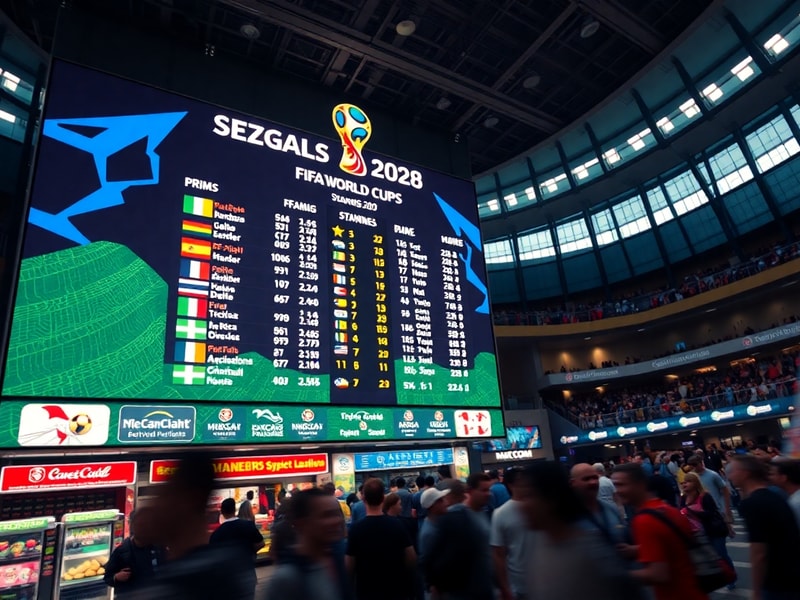
Fans eager to track the 2026 World Cup standings will have multiple tools at their disposal. FIFA’s official website and app will provide real-time updates, live rankings, and interactive visualizations of team progress. Major sports networks like ESPN, BBC, and beIN Sports will offer in-depth coverage, while social platforms amplify fan reactions and expert analysis.
For those seeking deeper insights, platforms like Dave’s Locker News will curate expert breakdowns, squad previews, and predictions as qualifiers progress. Insights into tactical trends, player fitness, and historical form will help fans separate hype from reality when interpreting the standings.
Early standouts in qualifying—such as France’s fluid attack or Morocco’s disciplined defense—may dominate headlines, but the real story will unfold in the final weeks. By then, the standings will reflect not just talent, but resilience, adaptability, and perhaps a touch of luck.
The 2026 World Cup standings will be more than a list of numbers. They will tell the story of a tournament in transition—one that embraces the world while testing the limits of tradition. As 48 nations chase glory across three nations, the final standings will shape football’s future for generations to come. One thing is certain: the journey to the top has never been more open, or more thrilling.