France Endures Another Brutal Heat Wave—Here’s What’s Different This Time
France is no stranger to scorching summers, but the heat wave sweeping across the country in late June and early July 2024 stands out for its intensity and early arrival. Temperatures soared past 40°C (104°F) in several regions, from the vineyards of Bordeaux to the streets of Paris. Meteorologists noted that this heat wave arrived nearly a month earlier than typical seasonal peaks, raising concerns about the accelerating impacts of climate change on European weather patterns. Unlike previous episodes, this one has also triggered widespread disruptions to daily life, from public transport delays to water restrictions in agricultural heartlands.
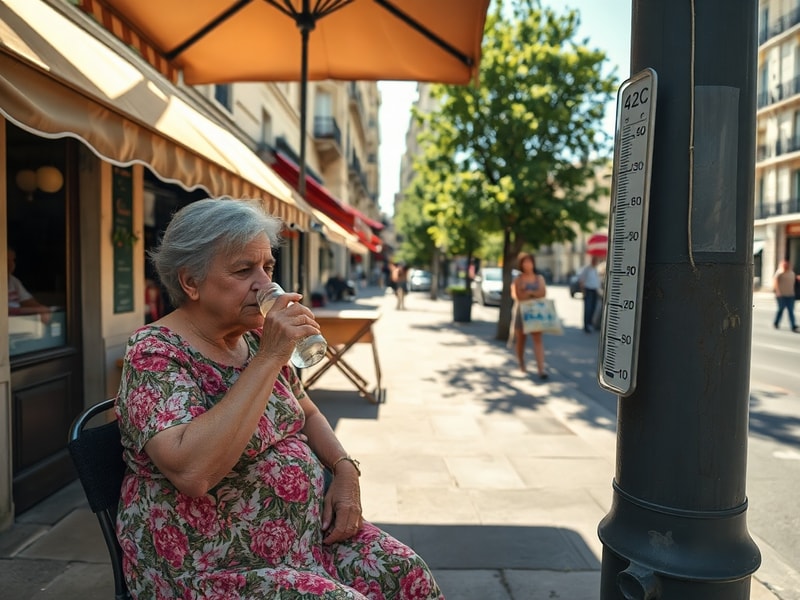
The French national meteorological service, Météo-France, issued red alerts for extreme heat in 14 departments, a record for such early warnings. In Toulouse, a city already known for its fiery summers, temperatures hit 42°C (107.6°F) on July 5, breaking a 70-year-old record. Meanwhile, the Loire Valley, famous for its châteaux and cool rivers, saw vineyards wilting under the relentless sun. The contrast between this year’s heat wave and those of the past decade is stark: the 2003 heat wave, which killed over 14,000 people in France, occurred in August. The shifting timeline is a troubling sign of what’s to come.
Record-Breaking Heat Meets a Warming Continent
What makes this heat wave particularly alarming is its alignment with broader European trends. The Copernicus Climate Change Service reported that June 2024 was the world’s hottest June on record, with Europe experiencing temperatures 2.5°C above the 1991-2020 average. France, in particular, has warmed faster than the global average over the past century, with nighttime temperatures rising at nearly twice the rate of daytime highs. This has created a dangerous feedback loop: hot nights prevent people from recovering from daytime heat exposure, increasing health risks.
Urban areas have been hit hardest. Paris, where asphalt and concrete absorb and retain heat, saw overnight lows stay above 25°C (77°F) for several consecutive nights in early July. The phenomenon, known as the urban heat island effect, exacerbates the dangers of heat waves. Public health officials reported a 20% increase in heat-related emergency room visits during the first week of July compared to the same period last year. The most vulnerable populations—elderly residents, outdoor workers, and those without access to air conditioning—are bearing the brunt of these conditions.
Agriculture and Water Resources Under Strain
The agricultural sector, a cornerstone of France’s economy, is facing severe consequences. Wheat yields in the country’s northern breadbasket regions are expected to drop by 15-20% due to drought conditions, according to FranceAgriMer. The National Federation of Farmers’ Unions warned that corn and sunflower crops in the southwest could face losses of up to 30% if the heat persists. Farmers are already resorting to emergency irrigation measures, straining already depleted groundwater reserves.
Water restrictions have been imposed in 70 of France’s 96 departments, with some areas banning non-essential water use entirely. The Loire River, a vital waterway and source of irrigation, has dropped to historically low levels, forcing barge operators to reduce loads to avoid running aground. In the Provence-Alpes-Côte d’Azur region, authorities have deployed water tankers to remote villages where taps have run dry. The situation echoes the 2022 drought, when France’s total economic loss from agricultural damage exceeded €6.5 billion. This year’s early onset of extreme conditions suggests the losses could be even higher.
Beyond crops, livestock is also suffering. Dairy farmers in Brittany report heat stress in cattle, leading to reduced milk production. The French government has activated a crisis cell to coordinate responses across sectors, but critics argue that long-term solutions—such as modernizing irrigation systems and diversifying crops—have been slow to materialize.
Public Infrastructure Groans Under the Pressure
France’s infrastructure, much of which was designed for milder climates, is struggling to cope with the new normal of extreme heat. The Paris Métro, a network already plagued by overheating tunnels, saw multiple line closures during peak heat hours as temperatures in some stations exceeded 45°C (113°F). The issue is not limited to public transport: high-speed TGV trains were forced to reduce speeds in affected regions to prevent track buckling, leading to widespread delays.
Public health measures have also been put to the test. Cooling centers, typically underused in previous years, have seen a surge in visitors. Paris alone opened 13 additional centers, but many are located outside city centers, making access difficult for elderly or disabled residents. The government’s “heat wave plan,” updated after the 2003 disaster, includes daily bulletins and SMS alerts to vulnerable individuals. However, critics point out that the system relies heavily on voluntary sign-ups, leaving many at-risk people unprotected.
Even France’s iconic Tour de France cycling race faced disruptions. The 2024 edition’s opening stages in Italy and Spain were moved to early morning starts to avoid midday heat, but French organizers have had to adjust course layouts to minimize exposure for riders and spectators alike.
Climate Adaptation: Is France Ready for What’s Next?
The recurring nature of these heat waves has reignited debates about France’s preparedness for climate change. While the country has made progress—such as expanding green spaces in cities and promoting heat-resistant building materials—gaps remain. A 2023 report by the French Environment Agency found that only 40% of French municipalities had updated their local heat wave action plans since 2019. Rural areas, in particular, lag behind urban centers in implementing adaptive measures.
Urban planning offers some solutions. Cities like Lyon and Montpellier have invested in “cool roofs” and reflective pavements to reduce heat absorption. Paris, meanwhile, has accelerated its “Paris Respire” initiative, which closes streets to traffic on Sundays and encourages tree planting. Yet these efforts are often piecemeal, and their impact is limited without broader systemic change.
On the policy front, France has committed to reducing its carbon emissions by 55% by 2030, but critics argue that adaptation strategies are still playing catch-up. The government’s recent announcement of a €1 billion fund to support farmers and water management projects is a step in the right direction, but experts warn it may not be enough to address the scale of the challenge.
As temperatures climb, so does the urgency for action. Heat waves are no longer a seasonal anomaly but a persistent reality. The question now is whether France can adapt fast enough to protect its people, its economy, and its environment—or if it will continue to lurch from crisis to crisis.
Key Takeaways for Residents and Travelers
For those in France during a heat wave, preparation is critical. Here’s what locals and visitors should keep in mind:
- Stay hydrated and avoid outdoor activity during peak heat (12 PM–4 PM). Public fountains and air-conditioned spaces like museums or shopping centers can provide relief.
- Check local water restrictions. Many regions enforce bans on car washing, garden watering, and even filling swimming pools. Visit the Dave’s Locker Travel section for updated guidelines by region.
- Monitor health warnings. Symptoms of heat exhaustion include dizziness, nausea, and rapid heartbeat. Seek medical attention if they appear. The French health ministry’s Health Hub provides real-time alerts.
- Plan transport accordingly. High temperatures can disrupt train schedules and road conditions. Allow extra travel time and check operator websites for updates.
For travelers, the timing of a visit may hinge on avoiding peak heat months. If visiting in summer, prioritize coastal areas like Brittany or Normandy, where temperatures are milder, or plan indoor activities during midday hours.
Looking Ahead: Can France Turn the Heat Down?
The 2024 heat wave is a stark reminder that climate change is not a distant threat but a present reality. France’s response will be closely watched as a test case for how developed nations can adapt to a warming world. While immediate measures—like cooling centers and water rationing—are necessary, the long-term solutions must address the root causes: reducing emissions, overhauling infrastructure, and rethinking urban design.
One thing is clear: the era of treating heat waves as exceptional events is over. France must prepare for a future where extreme temperatures are not the exception but the rule. The question is whether the country will lead the charge in climate adaptation—or merely react to the fallout.