Iran at the World Cup: Football, Identity and the Power of Representation
The Iran national football team has always carried more than just sporting ambitions to the World Cup. Their appearances on football’s biggest stage are moments that transcend mere competition, blending athletic skill with political symbolism and cultural pride. When Iran qualified for the 2022 FIFA World Cup in Qatar, it wasn’t just a triumph on the pitch—it was a statement of resilience, identity, and collective hope for millions of fans back home. This was Iran’s sixth World Cup appearance, but each journey has been unique, shaped by shifting geopolitics, internal debates, and the unrelenting passion of supporters who see the team as a source of national unity.
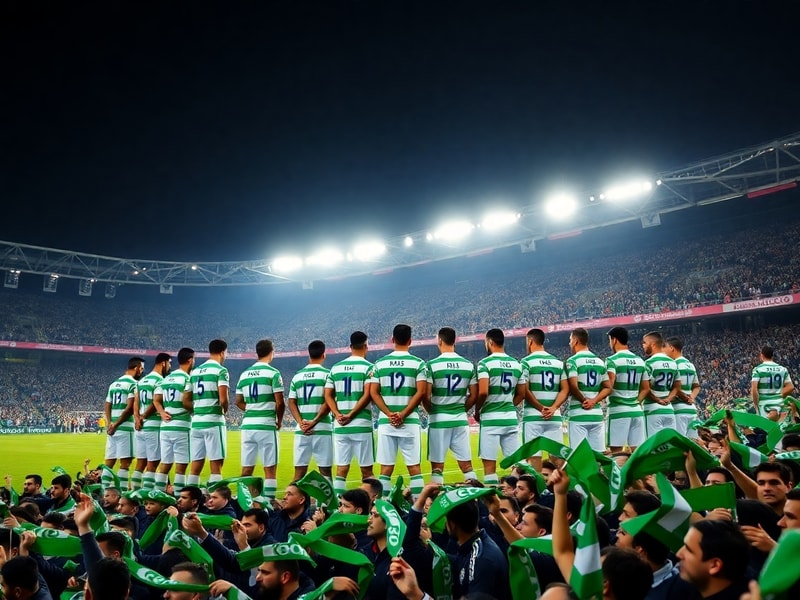
Football in Iran is more than a sport. It’s a cultural institution that reflects the country’s complex social fabric. Despite international tensions and domestic restrictions, the national team has become a rare unifying force. Matches are watched by millions, often in private gatherings or crowded cafes, where the roar of the crowd drowns out political divides. The team’s green jerseys—inspired by the national flag—are draped over balconies and worn in the streets during tournaments, turning stadiums into extensions of Iranian society itself. This connection between team and nation was never more evident than during the 2018 World Cup in Russia, when Iranians worldwide celebrated a 1-0 victory over Morocco, a moment of joy that briefly eclipsed daily struggles and political rhetoric.
The Road to Qatar: A Campaign of Conviction and Controversy
The path to Qatar 2022 was far from smooth. Iran’s qualification campaign under Carlos Queiroz began with promise but was repeatedly interrupted by external and internal pressures. The team’s first match—a 2-0 win over Syria in October 2021—felt like a small victory not just in football, but in perseverance. Yet behind the scenes, the Iranian Football Federation faced scrutiny over player eligibility and federation governance, issues that mirrored broader debates about transparency in Iranian sports. Queiroz, the Portuguese-Iranian manager, brought discipline and tactical awareness, but the road to qualification was marred by delays and disputes, including a controversial postponement of a match against South Korea due to COVID-19 protocols.
By March 2022, Iran had secured top spot in their group and booked their ticket to Qatar. The celebration was muted compared to past tournaments. The world was watching not just for football, but for the team’s stance on human rights and political freedom. Players wore black armbands during matches in solidarity with the “Woman, Life, Freedom” movement that erupted in Iran later that year. This decision turned the team into global symbols of resistance. When Iran faced England in their opening match, the world saw more than just a game—it saw a collision of sport, politics, and identity. Sardar Azmoun, one of Iran’s star forwards, later reflected that the team felt the weight of representing not just a nation, but a cause.
Performance on the Pitch: Resilience Amidst Global Scrutiny
On the field in Qatar, Iran played with a blend of grit and grace that belied their status as underdogs. Their opening match against England ended 6-2, a result that shocked the football world and momentarily silenced critics who had doubted Iran’s readiness. Despite the heavy defeat, Iran showed character. They played with intensity, pressing high and creating chances that kept England’s defense under pressure. The performance earned praise from neutrals and respect from rivals, proving that Iran could compete with the world’s elite.
In their second match, Iran faced Wales in a must-win scenario. Goals from Rouzbeh Cheshmi and Ramin Rezaeian secured a 2-0 victory, sparking wild celebrations across the Iranian diaspora. The win kept Iran’s hopes of advancing alive and sent a message: this team was not just participating—it was fighting. The third match against the United States was a historic moment. For the first time, an Iranian team faced the U.S. in a World Cup fixture, a game watched by over 2.5 million Iranians in North America alone. The match ended 1-0 in favor of the U.S., but Iran’s performance was spirited. The team’s unity and resolve were on full display, even in defeat.
By the end of the group stage, Iran had scored three goals, kept one clean sheet, and earned three points—more than many expected. While they didn’t advance, they left Qatar with their heads high. The real victory was not in the standings, but in the message they carried: football can be a voice for the voiceless, a platform for change, and a source of pride amid adversity.
The Cultural and Political Weight of Iran at the World Cup
No other World Cup team carries the same symbolic burden as Iran. Every match, every goal, every interview is scrutinized through multiple lenses—sportsmanship, politics, human rights, and national identity. During the 2022 tournament, Iran’s players became de facto ambassadors of a nation often misrepresented in global media. When goalkeeper Alireza Beiranvand was injured in the opening match, the moment transcended football. Fans around the world sent messages of support, seeing in him a reflection of their own struggles and resilience.
The team’s decision to remain silent during the national anthem before their first match in Qatar sparked debate. Some saw it as a protest against government oppression; others criticized it as politicization of sport. But the message was clear: Iran’s players were not just representing a regime—they were representing a people. This nuance is often lost in international coverage, where geopolitics overshadows human stories. Yet, the reality is that football in Iran operates in a space between autonomy and authority, between individual expression and collective expectation.
Iran’s World Cup story is also a story of the diaspora. Millions of Iranians living abroad—from Los Angeles to London—gathered to watch matches, often under the banner of the national flag. For many, the team is a lifeline to homeland, a fleeting connection to a country they may never visit. Social media exploded during the tournament, with hashtags like #TeamMelli and #IranAtWorldCup trending globally. The team’s journey became a digital campfire, where stories of hope, defiance, and unity were shared across continents.
Lessons from the Field: What Iran’s World Cup Journey Teaches Us
Iran’s experience at the World Cup offers several lessons, both on and off the pitch. First, it demonstrates the power of sport as a unifying force. In a country divided by politics, class, and ideology, football creates a temporary truce. Second, it highlights the growing role of athletes as social influencers. Iran’s players are acutely aware of their platform, and their choices—whether wearing armbands or speaking out—carry weight beyond the stadium.
Third, Iran’s story underscores the challenges of balancing national pride with personal freedom. Players like Mehdi Taremi and Karim Ansarifard have spoken openly about their dreams and fears, bridging the gap between public persona and private identity. Their honesty resonates with fans who see themselves in these athletes—ordinary people navigating extraordinary circumstances.
Finally, Iran’s World Cup journey reminds us that football is never just a game. It’s a mirror, reflecting the hopes, fears, and aspirations of a nation. For Iran, the World Cup is more than a tournament—it’s a stage, a statement, and sometimes, a sanctuary.
As football continues to evolve, so too will Iran’s role within it. Whether on the pitch or in the streets, the team’s legacy will endure—not just as a record of wins and losses, but as a testament to the enduring power of sport to inspire, challenge, and unite. The world may watch the World Cup for goals and glory, but for millions of Iranians, it’s about something far greater: the right to dream, to cheer, and to belong.