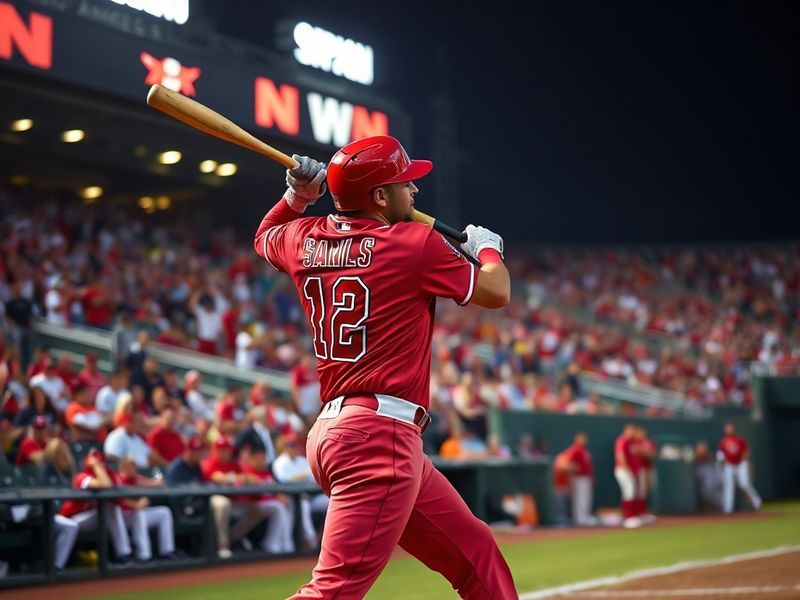
Keito Nakamura’s rise in professional wrestling reads like a carefully plotted underdog story—one that blends raw athleticism with an unmistakable charisma. Born in Kanagawa, Japan, in 1998, Nakamura began training in the famed Wrestling dojo at 16, a decision that would catapult him from local circuits to international prominence within a decade. His journey mirrors the broader evolution of Japanese wrestling, which has increasingly prioritized high-flying athleticism and emotional storytelling over traditional strong-style dominance. But Nakamura’s trajectory is more than just a personal success story; it reflects a generational shift in how wrestling talent is developed and marketed globally.
From Local Promotions to Global Attention
Nakamura’s professional debut in 2017 with Puroresu promotions marked the beginning of a rapid ascent. Unlike many peers who spend years grinding in minor leagues, he quickly distinguished himself with a style that fused striking precision with acrobatic flair. His signature moves—such as the “Sky Twister Press” and “Dragon Suplex”—became fan favorites, earning him nicknames like “The Aerial Ace” and “The Golden Phoenix.” By 2020, he had transitioned to larger Japanese circuits, where his matches consistently drew attention for their pace and innovation.
What sets Nakamura apart is his ability to transcend language and cultural barriers. While many Japanese wrestlers rely on a stoic, technical presentation, Nakamura’s expressive in-ring persona resonates universally. His matches often feel like high-stakes theater, with near falls and rapid-fire exchanges that keep audiences on edge. This approach has not only endeared him to domestic fans but also caught the eye of international promotions eager to diversify their rosters with fresh, dynamic talent.
The turning point in his career came in 2023, when he signed with a major North American promotion. This move was more than a career milestone—it symbolized a broader trend in wrestling, where Japanese athletes are increasingly sought after for their technical mastery and marketability. Nakamura’s arrival was met with skepticism by some traditionalists, who questioned whether his style would translate to audiences accustomed to power-based wrestling. Yet, his debut match quickly silenced critics, as he delivered a performance that blended familiarity with innovation, proving that his appeal was not bound by geography.
Training and Technique: The Foundation of Nakamura’s Success
Behind Nakamura’s high-flying offense lies a rigorous training regimen that reflects both discipline and creativity. Unlike wrestlers who rely solely on strength or endurance, Nakamura’s regimen emphasizes agility, timing, and adaptability. His daily routine includes plyometric exercises to enhance aerial control, as well as drills designed to sharpen his ability to transition between strikes, suplexes, and submission holds. This versatility is crucial in a sport where unpredictability often dictates success.
One of the most striking aspects of Nakamura’s training is his collaboration with gymnasts and martial artists. These partnerships have allowed him to incorporate elements of tumbling and striking into his wrestling, creating a hybrid style that feels both familiar and fresh. For example, his “Phoenix Splash” off the top rope is not just a flashy move—it’s the result of months of refining his approach angle and landing mechanics to minimize risk while maximizing spectacle.
Nakamura’s technical evolution also highlights a broader shift in wrestling training methodologies. As the sport becomes more globalized, athletes are increasingly adopting cross-disciplinary approaches to stay competitive. This trend is evident in the growing number of wrestlers who train in disciplines like Brazilian Jiu-Jitsu, Muay Thai, or even parkour. Nakamura’s success underscores the value of this approach, proving that wrestling’s future may lie in its ability to absorb and adapt to other athletic traditions.
The Cultural Impact of a New Wrestling Era
Nakamura’s influence extends beyond the ring, touching on themes of identity, representation, and the globalization of sports entertainment. As one of the few Japanese wrestlers to achieve mainstream success in North America in recent years, he represents a bridge between wrestling’s past and future. His presence in international promotions has also sparked conversations about the need for greater diversity in wrestling storytelling, where narratives often default to Western tropes or Japanese stereotypes.
One of Nakamura’s most notable contributions is his role in redefining what it means to be a “Japanese wrestler” in the global market. For decades, the archetype was dominated by powerhouse figures like Shinsuke Nakamura or Hiroshi Tanahashi—athletes whose charisma and mic skills overshadowed their in-ring work. While Nakamura shares their showmanship, his style is distinctly his own: a blend of youthful energy and technical precision that appeals to both traditional fans and newer audiences raised on fast-paced, digital-first entertainment.
His cultural impact is also evident in how he engages with fans. Unlike many wrestlers who maintain a distant, almost mythic persona, Nakamura is known for his accessibility. He frequently interacts with fans on social media, sharing behind-the-scenes footage and responding to messages in both Japanese and English. This approach not only humanizes him but also aligns with the expectations of younger, digitally savvy audiences who crave authenticity and connection.
The broader implications of Nakamura’s career are significant. As wrestling continues to compete with other forms of entertainment—from esports to streaming platforms—athletes like Nakamura are proving that innovation and tradition can coexist. His success suggests that the future of wrestling may lie in its ability to evolve without losing sight of its roots, offering a model for how traditional sports can adapt to modern audiences.
Key Takeaways from Keito Nakamura’s Career
Nakamura’s journey offers several insights into the current state of professional wrestling and its future direction. Below are the most critical points to understand about his career and its broader significance:
- Hybrid Training: Nakamura’s success highlights the growing importance of cross-disciplinary training in wrestling. His fusion of gymnastics, striking, and traditional wrestling has set a new standard for in-ring athleticism.
- Global Appeal: His ability to transcend cultural and linguistic barriers demonstrates that wrestling’s future is increasingly global. Promotions are prioritizing athletes who can connect with diverse audiences.
- Narrative Flexibility: Unlike traditional Japanese wrestlers, Nakamura’s persona is fluid—equally comfortable in high-flying matches and emotional storytelling. This adaptability is crucial in an era where wrestling’s narratives are becoming more diverse.
- Fan Engagement: Nakamura’s approach to social media and fan interaction reflects a broader shift in how athletes build their brands. Authenticity and accessibility are now as important as in-ring performance.
- Cultural Representation: His career challenges stereotypes about Japanese wrestlers, proving that success in global markets requires more than just technical skill—it demands a willingness to innovate and connect.
As Nakamura continues to climb the ranks of international wrestling, his career will likely serve as a case study for the next generation of athletes. His story is not just one of personal triumph but a testament to the evolving nature of sports entertainment. In an industry often resistant to change, Nakamura’s rise is a reminder that progress is possible when talent, adaptability, and authenticity intersect.
For fans and aspiring wrestlers alike, his journey underscores a simple truth: the future of wrestling belongs to those who dare to redefine it.