Amazon’s Prime Day has evolved from a 24-hour flash sale into a retail marathon that reshapes consumer behavior, supplier strategies, and even global supply chains. As the calendar turns toward 2026, the event is poised to undergo another transformation—one driven by artificial intelligence, sustainability demands, and the relentless push for faster delivery. With nearly 200 million Prime members worldwide and over $12 billion in sales during the 2025 event, the stakes are higher than ever. This isn’t just about discounts anymore; it’s about how retailers, brands, and consumers will navigate a marketplace where Prime Day sets the rhythm for the entire year.
What Makes Prime Day 2026 Different
Prime Day isn’t just getting bigger—it’s getting smarter. Amazon has been quietly integrating AI across its retail operations, from predictive stocking to dynamic pricing. By 2026, expect these systems to be fully operational, personalizing deals in real time based on individual shopping patterns, browsing history, and even real-time inventory levels. The result? Deals that feel less like mass discounts and more like personalized offers tailored to your habits.
Sustainability will also play a far larger role. Amazon has pledged to reach net-zero carbon by 2040, and Prime Day 2026 is likely to feature prominently in that narrative. Look for:
- Exclusive deals on refurbished and returned items, framed as “eco-friendly choices”
- Carbon-neutral shipping options with visible impact tracking
li>Partnerships with brands that emphasize sustainable packaging or ethical sourcing
Another shift comes from the rise of social commerce. Platforms like TikTok Shop and Instagram Checkout have already blurred the lines between discovery and purchase. By 2026, expect Amazon to integrate short-form video directly into the Prime Day experience, allowing creators to showcase products with embedded purchase links—turning entertainment into commerce in real time.
The Ripple Effect on Retailers and Brands
Prime Day no longer belongs to Amazon alone. It has become a tidal wave that reshapes the entire retail landscape. Smaller e-commerce players and brick-and-mortar giants alike feel compelled to respond—either by launching competing sales or by rethinking their own promotional calendars. Walmart, Target, and Costco have all expanded their summer sales events in response, but none can match Amazon’s scale or logistical precision.
For suppliers, especially those dependent on Amazon’s marketplace, Prime Day is a make-or-break moment. Brands that secure placement in the “Prime Day Deals” carousel often see sales spike by 300% or more. But the cost of participation is rising. Amazon’s fees, marketing requirements, and data demands are squeezing margins, pushing some sellers toward direct-to-consumer (DTC) strategies or alternative platforms like Shopify or Walmart Marketplace.
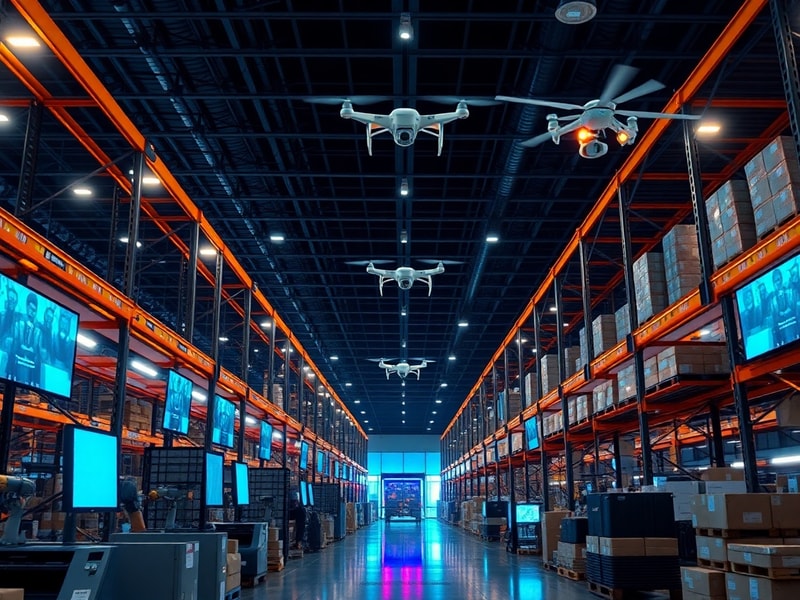
The pressure extends to logistics providers as well. With Amazon handling over 5 billion packages during Prime Day 2025, carriers like FedEx and UPS are forced to scale up operations under tight deadlines. Expect 2026 to bring even more automation—delivery drones, autonomous vans, and AI-driven route optimization—to keep up with demand without ballooning costs.
Consumer Behavior in the Age of Prime Day Fatigue
Despite its growth, Prime Day faces a growing challenge: consumer fatigue. After a decade of Prime Day hype, shoppers are becoming more discerning. A 2025 survey by Consumer Reports found that 42% of Prime members now wait for Prime Day to buy items they were already planning to purchase—effectively treating it as a forced discount rather than a surprise opportunity.
This behavioral shift is forcing Amazon to rethink its approach. Instead of relying solely on deep discounts, the company is emphasizing exclusivity—early access for Prime members, limited-edition bundles, and “members-only” experiences. The goal isn’t just to drive sales, but to reinforce the value of the Prime membership itself, which now includes benefits like free grocery delivery, streaming content, and cloud storage.
Yet the psychological toll is real. The constant cycle of sales—Prime Day in July, Black Friday in November, and now even “Prime Fall Event” in October—is eroding the perception of value. Consumers are starting to question whether any price is truly fair, or if they’re simply being trained to never pay full price. This could lead to a backlash, especially among younger shoppers who prioritize authenticity over constant promotions.
What to Watch in Prime Day 2026
Several key trends will define the event when it arrives:
- AI-Powered Personalization: Deals tailored not just to your past purchases, but to your real-time browsing, location, and even device usage.
- Sustainability as a Sales Driver: Products with clear environmental benefits will receive prominent placement and marketing support.
- Social Commerce Integration: Live streams, influencer collaborations, and shoppable video will blur the line between entertainment and shopping.
- Global Expansion: Amazon is pushing harder into international markets, with localized Prime Day events in regions like Latin America and Southeast Asia.
- Prime Membership Reinvention: Expect new tiers of membership, possibly including AI shopping assistants or exclusive in-person experiences.
One wild card is regulation. Antitrust scrutiny in the U.S. and Europe could force Amazon to change how it promotes its own products during Prime Day, potentially leveling the playing field for third-party sellers. If new rules take effect before 2026, the event could look very different—less about Amazon’s dominance and more about a level retail field.
A Look Ahead: The Future of Retail Events
Prime Day 2026 won’t just be a bigger sale—it will be a preview of retail’s future. As AI becomes more embedded in shopping experiences, events like Prime Day will feel less like sales and more like curated shopping journeys. The line between shopping and entertainment will continue to blur, with live events, gamified experiences, and interactive product demos becoming standard.
For consumers, the challenge will be maintaining perspective. With so many sales events competing for attention, it’s worth asking: Are we buying because we need something, or because the algorithm told us it’s a good deal? For brands and retailers, the challenge is even greater—how to stand out in a marketplace where every day feels like a sale day.
One thing is certain: Prime Day has outgrown its original purpose. It’s no longer just about saving money. It’s about how we shop, how we consume, and how retailers adapt to a world where the sale never really ends.