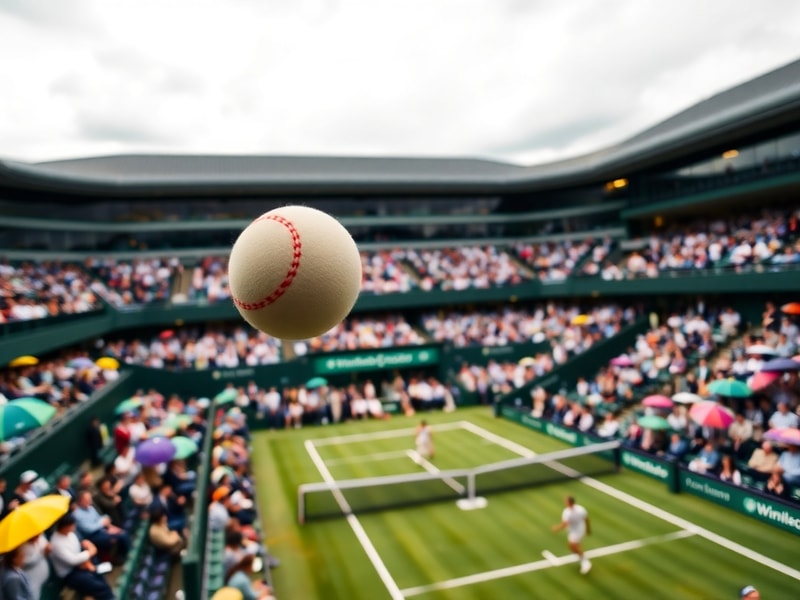
Wimbledon 2026: Dates, Players, and What’s New
Wimbledon 2026: What to Expect from the Next Grand Slam
The tennis world is already turning its gaze toward Wimbledon 2026, the oldest and most prestigious tournament in the sport. Scheduled for June 29 to July 12, 2026, the event promises a blend of tradition, innovation, and high-stakes competition. With the All England Lawn Tennis and Croquet Club once again preparing Centre Court and No. 1 Court, anticipation is building around the potential storylines that could unfold.
This edition of Wimbledon arrives at a pivotal moment for the sport. The ATP and WTA tours continue to evolve, with young stars rising and legends pushing their limits. The 2026 tournament could serve as a bridge between generations, offering a stage for both established champions and emerging talents to make their mark. Beyond the on-court action, Wimbledon remains a cultural landmark, drawing global attention for its pristine grass courts and timeless traditions.
New Faces and Familiar Names
Wimbledon has always been a proving ground for tennis’s brightest talents. As we look ahead to 2026, several players are poised to make significant strides. Carlos Alcaraz, fresh off his 2025 Wimbledon triumph, will enter as the defending champion, aiming to solidify his place among the sport’s greats. Meanwhile, Coco Gauff and Aryna Sabalenka could enter the tournament as the top-ranked women’s players, setting the stage for a potential clash of styles and eras.
The 2026 field might also feature breakthrough performances from rising stars like Mirra Andreeva, who has already shown flashes of brilliance, or Ben Shelton, whose powerful serve and athleticism have drawn comparisons to past champions. Veterans like Novak Djokovic and Iga Świątek will likely remain central figures, though their paths to the later rounds could be fraught with challenges from younger competitors.
Wimbledon has a history of spring surprises. In 2026, fans should keep an eye on players like Jannik Sinner and Aryna Sabalenka, who have the game to contend but must navigate the unique demands of grass. The tournament’s unpredictable nature often rewards those who adapt quickly, making it a stage where underdogs can rise and favorites can falter.
Groundbreaking Changes and Innovations
The All England Club has never been afraid to embrace change while preserving tradition. For Wimbledon 2026, several key developments are expected to shape the tournament’s experience. One of the most notable is the continued expansion of the retractable roof on Centre Court and No. 1 Court, ensuring play can continue regardless of weather disruptions. This innovation has become essential in recent years, as unpredictable British summers test the patience of players and fans alike.
Another area of focus is sustainability. Wimbledon has committed to reducing its environmental impact, with initiatives like eliminating single-use plastics and increasing the use of recycled materials in court construction. The tournament’s organizers have also emphasized biodiversity, ensuring that the grounds remain a haven for local wildlife despite the event’s massive scale.
Technology will also play a larger role in 2026. While line calls have long been handled by electronic systems, the introduction of AI-assisted officiating could further refine the accuracy of calls, particularly on the outer courts where traditional umpires are less prevalent. Additionally, fan engagement is set to improve with enhanced augmented reality features in the Wimbledon app, allowing spectators to access real-time stats, player interviews, and even virtual tours of the grounds.
The tournament’s schedule may see minor adjustments as well. With the increasing demands on players’ schedules, Wimbledon could explore ways to streamline the draw process, ensuring that top seeds face fewer early-round challenges. This could mean more byes in the opening rounds or adjusted seeding formulas to better reflect the current ATP and WTA rankings.
The Business of Wimbledon: Sponsorships and Global Appeal
Wimbledon’s commercial success remains a benchmark for sports events worldwide. For 2026, the tournament’s organizers are expected to deepen partnerships with global brands while nurturing long-standing relationships with traditional sponsors. Companies like IBM, Rolex, and Ralph Lauren will likely continue their involvement, leveraging Wimbledon’s prestige to connect with affluent audiences.
One area of growth is the expansion of digital sponsorships. With streaming platforms like Dave’s Locker Tennis offering unprecedented access to matches, brands are increasingly investing in targeted advertising that reaches fans beyond the traditional broadcast audience. This shift aligns with Wimbledon’s goal of maintaining its relevance in an era where younger audiences consume sports through digital channels.
Merchandising will also play a crucial role in 2026. The tournament’s signature all-white dress code for players and its iconic strawberries-and-cream offering remain cultural touchstones. Expect new collaborations with fashion brands to refresh the tournament’s aesthetic while staying true to its heritage. For fans, limited-edition merchandise and interactive experiences—such as virtual meet-and-greets with players—could become key selling points.
The global appeal of Wimbledon shows no signs of waning. With broadcast deals spanning over 200 territories, the tournament attracts millions of viewers annually. For 2026, expanded coverage in emerging markets like India and Southeast Asia could further boost its international footprint. The sport’s growing popularity in these regions, fueled by the successes of players like Sumit Nagal and Rutuja Bhosale, ensures that Wimbledon remains a truly global event.
Fan Experience: From the Queue to Centre Court
No other Grand Slam places as much emphasis on fan experience as Wimbledon. The tournament’s traditions—from the strawberries and cream to the all-white attire—create an atmosphere unlike any other. For 2026, organizers are expected to enhance the on-site experience with new amenities while preserving the tournament’s timeless charm.
One of the most anticipated changes is the expansion of the Hill, the grassy area outside Centre Court where fans gather to watch matches on big screens. With seating capacity increasing, the Hill will remain a vibrant hub for spectators, offering a communal space to soak in the tournament’s electric atmosphere. For those seeking a more premium experience, new hospitality packages are in the works, including private viewing areas with gourmet dining options.
Technology will also transform how fans engage with Wimbledon. The official app will feature live scoring, player interviews, and even AI-driven highlights, allowing supporters to customize their viewing experience. For those unable to attend in person, virtual reality broadcasts could provide an immersive alternative, placing viewers virtually in the stands or even on the court.
Another key aspect of Wimbledon’s fan experience is its commitment to accessibility. The tournament offers a range of services for disabled spectators, including wheelchair-accessible seating, sign language interpreters, and audio description services. For 2026, these efforts are expected to expand, ensuring that the event remains inclusive for all.
Why Wimbledon 2026 Matters
Wimbledon 2026 is more than just a tennis tournament—it’s a celebration of sport, tradition, and innovation. As the tennis world evolves, Wimbledon stands as a constant, blending the past with the future. The 2026 edition will likely be defined by the rise of new stars, the resilience of established champions, and the tournament’s ability to adapt without losing its soul.
For players, the grass courts of Wimbledon represent the ultimate challenge. The fast surface rewards aggressive baseliners and serve-and-volley specialists alike, making it a proving ground for all styles of play. For fans, the tournament offers a rare opportunity to witness history in the making, whether it’s a record-breaking performance or an underdog’s triumph.
Beyond the matches, Wimbledon 2026 will continue to shape the broader landscape of tennis. Its influence extends to grass-court preparation, sponsorship strategies, and even the rules of the game. As the first major of the summer swing, Wimbledon sets the tone for the rest of the season, influencing rankings, confidence levels, and the narrative of the sport.
The All England Club’s ability to balance tradition and progress ensures that Wimbledon remains relevant in an ever-changing world. Whether it’s through sustainability initiatives, technological advancements, or new fan experiences, the tournament continues to evolve while staying true to its roots. In 2026, Wimbledon will once again prove why it’s not just a tournament—it’s an institution.
As the countdown to Wimbledon 2026 begins, tennis fans around the world are already marking their calendars. The grass is greener, the stakes are higher, and the stories are waiting to be written. For those who love the sport, there’s no better place to be.