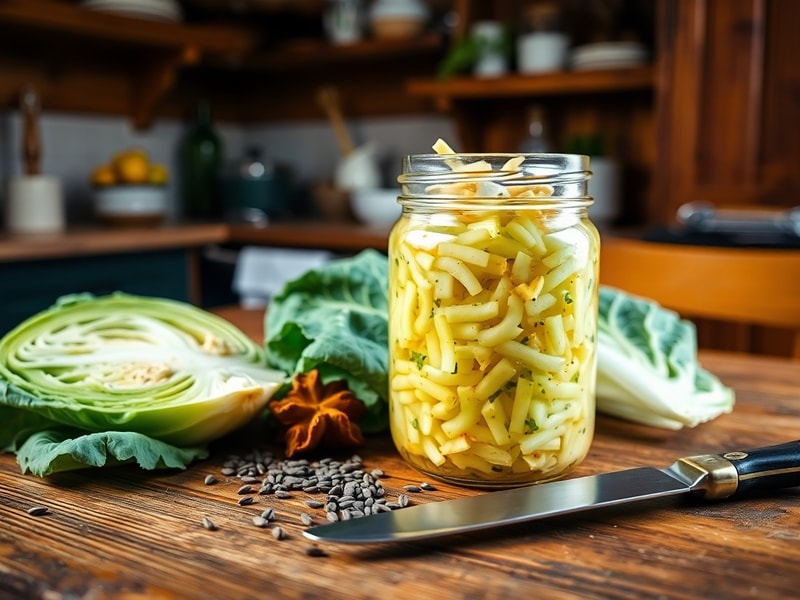
The sauerkraut diet has gained traction in recent years as a simple yet powerful way to improve gut health while supporting weight loss. Unlike restrictive fad diets, this approach focuses on fermented foods and their natural benefits. Sauerkraut, a fermented cabbage dish rich in probiotics, fiber, and vitamins, serves as the foundation. Proponents argue that it can reset digestion, reduce bloating, and even enhance mental clarity. But does it live up to the hype? Let’s explore the science, practical tips, and potential pitfalls of this diet trend.
How the Sauerkraut Diet Works
The core principle of the sauerkraut diet revolves around fermentation. During the process of making sauerkraut, beneficial bacteria like Lactobacillus break down sugars in cabbage, creating lactic acid. This not only preserves the cabbage but also produces a probiotic-rich food that supports a healthy gut microbiome. A balanced microbiome is linked to improved digestion, immune function, and even mood regulation. Advocates suggest consuming 1-2 servings of sauerkraut daily, either as a side dish or incorporated into meals.
Weight loss is another touted benefit. Sauerkraut is low in calories but high in fiber, which promotes satiety and reduces overeating. The probiotics may also help regulate blood sugar levels, preventing energy crashes that lead to cravings. However, the diet isn’t just about sauerkraut alone. It often encourages a broader shift toward whole, unprocessed foods while minimizing sugar and processed carbohydrates.
Potential Benefits and Scientific Backing
Research on sauerkraut and gut health is promising but still emerging. Studies show that fermented foods like sauerkraut can increase microbial diversity in the gut, which is associated with better metabolic health. For example, a 2021 study published in Cell found that participants who consumed more fermented foods had improved gut microbiome diversity and reduced inflammation markers. These findings align with anecdotal reports of reduced bloating and improved digestion among sauerkraut diet followers.
Beyond gut health, the diet may support immune function. About 70% of the immune system resides in the gut, and a healthy microbiome helps fend off pathogens. Sauerkraut’s high vitamin C content—retained through fermentation—also boosts collagen production and skin health. Some users report clearer skin and fewer allergies after adopting the diet. However, individual results vary, and more clinical trials are needed to confirm long-term effects.
For those struggling with digestive issues like IBS or leaky gut, the sauerkraut diet offers a gentle, food-based solution. Unlike probiotic supplements, which can be hit-or-miss, fermented foods provide a natural delivery system for beneficial bacteria. The fiber in sauerkraut also acts as a prebiotic, feeding the good bacteria already present in the gut. This dual action makes it a more sustainable option for many people.
Practical Tips for Getting Started
Transitioning to a sauerkraut diet doesn’t require drastic changes. Start by replacing one meal or snack with sauerkraut daily. For example, add a small serving to scrambled eggs, salads, or sandwiches. Homemade sauerkraut is ideal because commercial varieties often contain vinegar or pasteurization, which kills probiotics. If making your own isn’t feasible, look for raw, unpasteurized sauerkraut in health food stores or farmers’ markets.
Pair sauerkraut with other gut-friendly foods like kefir, kimchi, and yogurt to maximize benefits. A typical day on the diet might include:
- Breakfast: Greek yogurt with sauerkraut and berries
- Lunch: Grilled chicken salad with a side of sauerkraut
- Dinner: Stir-fried vegetables with tofu and sauerkraut
- Snack: A small handful of nuts and sauerkraut
Avoid pairing sauerkraut with high-fat meals, as fat can slow digestion and reduce probiotic effectiveness. Also, introduce it gradually to avoid temporary bloating or gas as your microbiome adjusts. Hydration is key, too—water helps the fiber in sauerkraut move smoothly through the digestive tract.
For those who dislike the taste of sauerkraut, consider blending it into smoothies or mixing it into dressings. A classic German-style dressing of sauerkraut, olive oil, and apple cider vinegar can be drizzled over roasted vegetables or grains. Experimentation is encouraged, as consistency is what matters most.
Potential Drawbacks and Considerations
While the sauerkraut diet has merits, it’s not suitable for everyone. People with histamine intolerance may experience adverse reactions, as fermented foods are naturally high in histamines. Symptoms can include headaches, hives, or digestive upset. Those with thyroid issues should also be cautious, as sauerkraut contains goitrogens, compounds that may interfere with iodine absorption. Cooking sauerkraut can reduce goitrogen levels, making it a safer option.
Another concern is sodium content. Traditional sauerkraut is high in salt, which may not be ideal for those with hypertension or kidney issues. Opt for low-sodium versions or rinse store-bought sauerkraut before eating. Additionally, the diet’s reliance on a single food can lead to nutritional imbalances if not managed carefully. Ensure you’re still getting a variety of proteins, fats, and other vegetables to meet all dietary needs.
Lastly, the sauerkraut diet isn’t a magic solution. Weight loss and improved health depend on overall diet quality, exercise, and lifestyle factors. Some users report initial weight loss due to reduced bloating and better digestion, but long-term success requires a holistic approach. If you have underlying health conditions, consult a healthcare provider before making significant dietary changes.
Who Should (and Shouldn’t) Try It
The sauerkraut diet can be a valuable tool for anyone looking to improve gut health, reduce inflammation, or diversify their diet. It’s particularly appealing to those who enjoy fermented foods and want a simple, cost-effective way to boost nutrition. Athletes and active individuals may benefit from the probiotics’ role in recovery and immune support. Even busy professionals can incorporate sauerkraut into meals with minimal effort.
However, it’s not ideal for picky eaters or those unwilling to experiment with flavors and textures. The tangy, sour taste of sauerkraut isn’t for everyone, and forcing it into meals can backfire. Additionally, individuals with autoimmune conditions or severe gut disorders should approach fermented foods cautiously, as they can sometimes trigger flare-ups. Always listen to your body and adjust as needed.
For a more structured approach, consider combining sauerkraut with other dietary strategies. For example, the Mediterranean diet or a plant-based diet can complement the benefits of sauerkraut while providing a broader range of nutrients. The key is balance—use sauerkraut as a tool, not a crutch.
In conclusion, the sauerkraut diet offers a practical, food-based way to enhance gut health and support overall wellness. Its simplicity and reliance on whole foods make it accessible, while the scientific backing for probiotics and fiber provides credibility. However, like any diet, it’s not one-size-fits-all. Approach it with curiosity and flexibility, and be mindful of your body’s unique needs. Whether you’re looking to improve digestion, lose weight, or simply eat more mindfully, sauerkraut is a fermented friend worth getting to know.