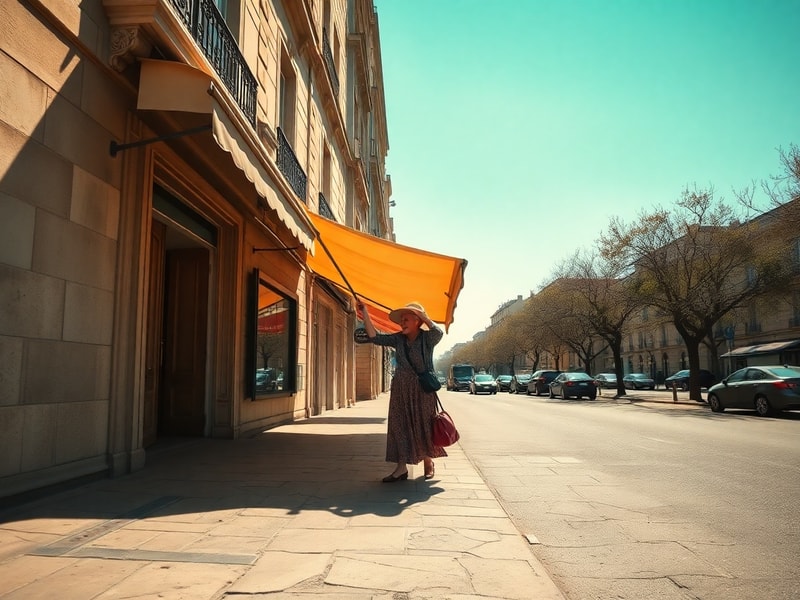
France is no stranger to summer heat, but the scorching temperatures gripping the country this season have shattered records and tested the limits of daily life. From the sun-baked streets of Paris to the vineyards of Bordeaux, the relentless sun has left its mark, reshaping routines and sparking urgent conversations about climate adaptation. The heatwave, which began in late June, has already set new benchmarks for duration and intensity, reinforcing concerns about the accelerating impacts of global warming.
Record-Breaking Temperatures and Early Warnings
The French meteorological service, Météo-France, confirmed that the heatwave in June was the earliest on record, with temperatures in some regions exceeding 40°C (104°F). Toulouse, Lyon, and Clermont-Ferrand were among the hardest-hit cities, where overnight lows failed to provide relief. Scientists point to a combination of high-pressure systems and the warming influence of climate change as key drivers of this extreme weather event. The phenomenon mirrors similar patterns observed across Europe, where heatwaves are becoming more frequent and severe.
Public health officials issued stark warnings, particularly for vulnerable populations. The French government activated its heatwave action plan, which includes opening cooling centers in public buildings and increasing emergency response teams. Hospitals reported a rise in heat-related illnesses, while elderly residents in urban areas faced heightened risks due to inadequate ventilation in older housing stock. The situation underscored the need for long-term strategies to protect communities from the growing threat of extreme heat.
The Cultural Impact of Heat on French Life
Heatwaves in France are more than just meteorological events—they disrupt the rhythm of daily life in ways that reveal deeper cultural priorities. The traditional siesta-like pauses of August, when many Parisians flee to the countryside or coastal towns, have been compressed into a few precious weeks. Instead, this year’s heat forced a rethink of urban living, with cafés extending shaded terraces, museums adjusting hours, and even the Louvre considering cooling solutions for its galleries. The strain on public transport was palpable, as trains running on heat-buckled tracks faced delays, testing the patience of commuters.
Food culture, too, has adapted under the glare of the sun. Markets shifted to lighter, fresher produce—think ratatouille instead of hearty stews—as vendors sought to meet demand for seasonal dishes. Bakers reported a decline in bread sales, as consumers opted for cold salads and chilled desserts. The heat even influenced social rituals: apéritif hours moved later into the evening, when temperatures dipped slightly, and spontaneous gatherings migrated from sunlit squares to tree-lined boulevards. These adjustments highlight how climate pressures are subtly reshaping France’s social fabric.
Yet, the heatwave also exposed inequalities. Tourists flocking to the Riviera or Provence often retreated to air-conditioned hotels, while locals in less affluent neighborhoods struggled with inadequate cooling. The contrast between the carefree image of France as a land of leisure and the harsh realities of climate vulnerability became impossible to ignore.
Global Context: Europe’s Shifting Climate
France’s heatwave is part of a broader trend across Europe, where record temperatures are becoming the norm rather than the exception. Spain and Italy have faced similar challenges, with wildfires raging in Catalonia and Sicily. The European Environment Agency reports that southern Europe is warming faster than the global average, a trend that threatens agriculture, water supplies, and public health. France’s agricultural sector, already grappling with erratic weather, has seen wheat yields drop by as much as 20% in some regions, raising concerns about food security.
Internationally, the heatwave has drawn comparisons to other extreme weather events, from the Pacific Northwest’s deadly 2021 heat dome to the devastating floods in Pakistan. The World Meteorological Organization warns that such events are likely to intensify, with Europe expected to see more frequent and intense heatwaves in the coming decades. This has prompted calls for coordinated action, including investments in renewable energy, urban green spaces, and heat-resilient infrastructure.
France, a global leader in climate diplomacy, has pledged to reduce its carbon emissions by 55% by 2030. Yet, the current heatwave serves as a reminder that adaptation must happen alongside mitigation. Cities like Paris are experimenting with “cool roofs” and expanded tree coverage, but critics argue these measures are too slow to address the immediate crisis.
The Way Forward: Lessons and Adaptations
As France grapples with this heatwave, the conversation has turned to both short-term solutions and long-term resilience. Here are some key takeaways from the crisis:
- Public health infrastructure: Expanding access to cooling centers and ensuring healthcare systems are equipped to handle heat-related illnesses are critical. France’s experience shows that even well-prepared nations must continuously update their emergency protocols.
- Urban planning: Cities are reconsidering their designs to prioritize shade, ventilation, and green spaces. Paris, for example, has committed to planting 170,000 trees by 2026 to combat the urban heat island effect.
- Agricultural innovation: Farmers are adopting drought-resistant crops and precision irrigation to cope with water shortages. The government has also increased subsidies for sustainable farming practices.
- Behavioral shifts: The heatwave has accelerated changes in consumer habits, from energy consumption to dietary preferences. These shifts may endure even after temperatures drop, shaping future markets and policies.
The heatwave’s legacy will likely extend beyond the summer, influencing everything from tourism strategies to architectural trends. For a country that prides itself on its balance of tradition and innovation, the challenge is to preserve its cultural identity while adapting to an increasingly unpredictable climate.
As French citizens and policymakers reflect on this extraordinary season, one thing is clear: the heatwave is not an anomaly but a harbinger of what’s to come. The question now is whether France—and the world—will rise to the occasion.