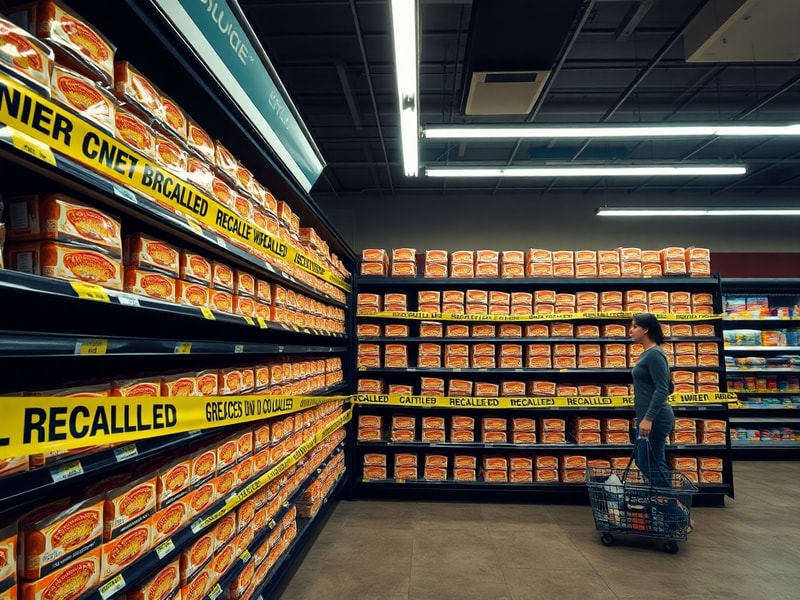
Bread recalls have surged in recent months, catching consumers off guard and forcing grocery chains to pull products from shelves worldwide. The issue spans from sourdough loaves in Europe to packaged sandwich bread in North America, highlighting both food safety lapses and supply chain vulnerabilities. What began as isolated incidents has expanded into a global pattern, with health regulators scrambling to trace contamination sources and enforce stricter quality controls.
How contamination spreads across global supply chains
Modern bread production relies on interconnected networks that cross continents. Wheat from Canada may be milled in Minnesota, baked in a facility in Germany, and then distributed in the United Kingdom—all within weeks. A single misstep in sanitation, storage, or transportation can introduce pathogens like Salmonella or E. coli at any point. In 2023, a major bakery group in France recalled 12,000 baguettes after routine testing revealed traces of Listeria monocytogenes, a bacteria that thrives in refrigerated environments. The contamination was traced back to a contaminated water source used in dough preparation, a reminder that even simple ingredients carry risks.
Globalization has intensified these risks. Just-in-time inventory systems reduce waste but leave little margin for error. When a supplier in Ukraine faced delays due to conflict, a German bakery substituted a different yeast strain without proper validation. The result? A batch of rye bread contaminated with Bacillus cereus, leading to a recall across six European countries. The incident underscored how geopolitical events ripple through food systems, turning local shortages into international health alerts.
The human cost: more than just spoiled loaves
Behind every recall is a trail of hospital visits and disrupted families. In Australia, a 2024 recall of multigrain bread sickened 47 people, including a toddler who required intravenous hydration. Health officials linked the outbreak to improperly stored seeds used as toppings, which developed mold during transit. While most cases resolve without long-term harm, the psychological impact lingers. Consumers now eye bakery sections with suspicion, and small artisanal bakeries report a 15% drop in sales as shoppers opt for pre-packaged alternatives they perceive as “safer.”
Cultural trust in bread runs deep. In countries like Italy and France, bread isn’t just food—it’s heritage. A recall of traditional ciabatta in Lombardy in 2023 sparked protests outside a local supermarket. “We’ve baked the same way for centuries,” said one shop owner. “Now we have to prove our bread is safe again?” The incident revealed a fracture between tradition and modern safety standards, forcing regulators to balance innovation with preservation of culinary identity.
Key recalls of the past year
- Canada (March 2024): 8,000 loaves of whole wheat bread recalled due to undeclared sesame seeds, posing risks to allergy sufferers.
- Japan (January 2024): 3,500 melon pan loaves recalled after plastic fragments were found in packaging at a Tokyo facility.
- South Africa (November 2023): 15,000 slices of sandwich bread pulled after Staphylococcus aureus contamination linked to an improperly cleaned conveyor belt.
- United States (August 2023): 22,000 pre-sliced white bread units recalled following reports of metallic shavings in loaves from a Michigan plant.
Regulatory gaps and the push for systemic change
Current food safety regulations were designed for a slower, less interconnected era. The U.S. Food Safety Modernization Act (FSMA) requires preventive controls, but critics argue enforcement is reactive. In the EU, the Rapid Alert System for Food and Feed (RASFF) tracks contamination in real time, yet recalls still unfold faster than corrective actions can be implemented. Meanwhile, in India, where bread is a staple in urban diets, local bakeries often operate without mandatory inspections, relying instead on voluntary certifications that lack teeth.
Technology offers a partial solution. Blockchain platforms like IBM Food Trust now allow bakeries to trace ingredients from farm to shelf in minutes. A pilot program in the Netherlands reduced recall times by 70% by flagging potential contaminants before products left the warehouse. Still, adoption remains uneven. Small bakeries in developing nations cite cost as a barrier, while large corporations face internal resistance to overhauling legacy systems.
Public pressure is mounting for stricter labeling laws. In the UK, a petition calling for “bread passports”—digital records of each loaf’s journey—garnered over 120,000 signatures. “People want to know where their food comes from, not just whether it’s safe today,” said the campaign’s organizer. The demand reflects a broader shift toward transparency in global food systems, where trust is no longer assumed but earned through verifiable data.
What consumers can do—without abandoning bread entirely
The solution isn’t to stop eating bread but to shop smarter. Start by checking labels for allergen warnings, even if you don’t have allergies—cross-contamination is a silent threat. Support local bakeries with visible quality controls; their smaller scale often means fewer hands in the dough and more accountability. When purchasing packaged bread, opt for brands that publish third-party lab results online. Transparency isn’t a luxury—it’s a baseline.
For those concerned about additives, artisanal sourdough offers a safer bet. The fermentation process naturally suppresses harmful bacteria, and traditional methods reduce reliance on preservatives. However, even sourdough isn’t immune to contamination if ingredients are mishandled. Always store bread in breathable bags and avoid damp environments where mold thrives.
Finally, stay informed. Sign up for recall alerts from agencies like the FDA or your country’s equivalent. The Food Safety Inspection Service updates recalls daily, often within hours of detection. While no system is flawless, vigilance at the consumer level creates a feedback loop that pushes brands to prioritize safety over speed.
Bread recalls are more than logistical headaches—they’re a wake-up call. They reveal how deeply food systems have become intertwined with global trade, technology, and trust. The challenge ahead isn’t just to fix the broken links but to rebuild a system where safety and tradition coexist. Until then, the humble loaf remains a symbol of both nourishment and vulnerability.