How Soccer World Rankings Really Work (And Why They Matter)
How Soccer World Rankings Shape the Global Game
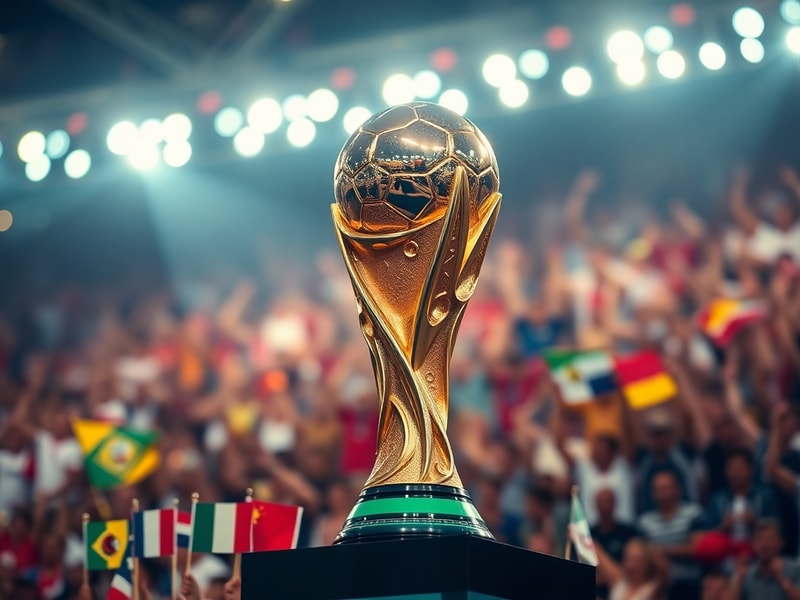
The FIFA World Ranking system may look like a simple points table, but it quietly governs everything from qualification paths to sponsorship deals. Every four years, the rankings determine which nations automatically qualify for the World Cup. Teams outside the top seeds face grueling playoff battles, while lower-ranked sides must prove themselves in friendlies to climb the ladder. This numerical hierarchy isn’t just about prestige—it influences budgets, player salaries, and even national pride.
The system has evolved dramatically since its 1992 debut. Originally based on results over eight years, it shifted to a two-year cycle in 2006, then to the current four-year format in 2018. FIFA’s goal was to make rankings more responsive to recent form while reducing the weight of ancient history. Yet critics argue this still rewards consistency over peak performance. A team that qualifies for every World Cup but never advances far may rank higher than one that peaks once every decade.
Cultural context plays a surprising role. In South America, where club football often overshadows national teams, rankings reflect a different kind of pressure. Brazil and Argentina’s rankings hinge on friendlies and Copa América results—no easy feat when stars prioritize club careers in Europe. Meanwhile, African nations like Morocco and Senegal have climbed steadily by dominating regional qualifiers, their rankings rising despite limited resources.
Europe’s dominance in the rankings isn’t accidental. Domestic leagues like the English Premier League, La Liga, and the Bundesliga provide constant high-pressure games. Players from these leagues return to weaker national teams with tactical sophistication, boosting results. Yet this creates a paradox: a player like Harry Kane may carry England’s hopes, but his club success comes at the expense of international rest.
The Mathematics Behind the Rankings
FIFA’s formula weighs several factors. Match outcome (win, draw, loss) contributes up to 1,000 points, while opponent strength adds or subtracts points based on their ranking. Home advantage grants a bonus, though this has been reduced in recent editions. Tournament importance matters too—beating Brazil in the World Cup final earns far more than a friendly victory over Andorra.
Controversies flare when rankings feel arbitrary. In 2022, Italy—four-time World Cup winners and reigning European champions—failed to qualify for the tournament and dropped to 24th. Their ranking plunged despite historic prestige, proving that the system prioritizes recent results over legacy. Similarly, the Netherlands’ 2022 dip to 10th sparked debates about whether the rankings truly reflect quality or just consistency.
FIFA’s attempt to modernize included adding strength of schedule and opponent quality metrics. Yet some argue these tweaks still favor teams that play more competitive matches. A side like Belgium, packed with Premier League talent, gains points from club-level success, while smaller nations struggle to match that volume.
Cultural Pride vs. Numerical Rankings
In Nigeria, rankings are a source of national debate. Fans argue that the Super Eagles’ flair and creativity deserve higher placement than their current 30th spot. Local pundits blame scheduling, pointing out that African teams often face fatigue from congested European seasons. Meanwhile, in the United States, soccer’s growing popularity has pushed rankings upward—though the men’s team still lags behind the women’s, who sit comfortably in the top 10.
Asia offers another fascinating case. Japan and South Korea have risen steadily, thanks to disciplined tactics and investments in youth development. Their rankings reflect tactical evolution, moving from physical underdogs to technical innovators. Yet cultural expectations remain high—fans demand World Cup knockout-stage appearances, not just participation.
The rankings also shape club strategies. A European giant like Bayern Munich may rest stars ahead of international breaks to preserve their national team’s points. Conversely, clubs in weaker leagues prioritize friendlies to boost their players’ national rankings, hoping for better transfer opportunities.
Can Rankings Predict World Cup Success?
History shows rankings are an imperfect crystal ball. Germany entered the 2018 World Cup as world champions but crashed out in the group stage. Brazil, ranked first in 2022, suffered a quarterfinal exit. Meanwhile, Morocco’s 2022 run to the semifinals defied their 11th-place ranking, proving that knockout football rewards momentum over averages.
Some argue rankings stifle underdog stories. Teams like Iceland and Costa Rica overperformed by ignoring FIFA’s metrics, focusing instead on cohesion and set-pieces. Their success suggests rankings may reward the wrong kind of preparation—favoring teams that grind out results over those that play with freedom.
FIFA’s latest adjustments aim to address this. The introduction of the FIFA World Cup Qualifiers’ continental ranking system gives smaller nations more pathways to qualification. Yet the core rankings remain a battleground between tradition and innovation.
For fans, the rankings are a conversation starter. They spark debates about which nation truly deserves the crown, regardless of points. For players, they’re a reminder that every match—from a friendly in Tashkent to a World Cup qualifier in Madrid—carries weight beyond the final whistle.
The Future of Soccer Rankings
Technology could reshape the system. Video Assistant Referee (VAR) data and player tracking metrics might soon influence rankings, rewarding teams that dominate possession or limit injuries. Yet this risks turning football into a spreadsheet game, where tactics matter more than passion.
One thing is certain: rankings will keep evolving. Whether through fan protests, statistical tweaks, or outright rebellion like the proposed “Alternative Rankings” by pundits, the hierarchy of world football remains a work in progress. What won’t change is the human element—the dreams of a kid in Lagos who believes his team can climb from 35th to the top 10.
The numbers may govern pathways, but the soul of the game lives in the moments that defy them. Sports fans know this well: the beauty of football lies not in the rankings, but in the stories they can’t quite capture.