The National Weather Service’s Extreme Heat Warning is no longer a distant alarm—it’s an annual reality for millions. Across continents, cities once known for mild summers now face dangerous heat waves that push thermometers past 120°F (49°C). In Europe, historic heat domes in 2022 and 2023 shattered records, with London hitting 40°C (104°F) for the first time. Meanwhile, South Asia endures relentless monsoon-season spikes above 50°C (122°F), straining power grids and human endurance.
Heat isn’t just uncomfortable—it’s deadly. The World Health Organization estimates heat-related deaths have risen by 50% in the past two decades. Vulnerable groups—elderly residents, outdoor laborers, and children—face disproportionate risks. In Phoenix, Arizona, emergency calls for heatstroke tripled in July 2023 alone. The warning labels governments now issue aren’t hyperbole; they’re life-saving alerts in a warming world.
The Science Behind the Scorching Reality
Extreme heat warnings stem from a mix of atmospheric and human-made factors. Heat domes, vast high-pressure systems, trap hot air like a lid on a pot. When combined with urban heat islands—cities where concrete and asphalt absorb and radiate heat—temperatures can spike 10°F higher than surrounding areas. Climate change amplifies this effect, as rising CO₂ levels trap more heat in the atmosphere.
Scientists at NASA’s Goddard Institute for Space Studies note that the past decade was the hottest on record. Heat waves are now five times more likely due to human activity, according to the Intergovernmental Panel on Climate Change. This isn’t a future threat—it’s a present crisis reshaping ecosystems, economies, and daily life.
Consider the case of Delhi, India. In May 2024, temperatures soared to 52.3°C (126°F), forcing schools to close and hospitals to ration water. Meteorologists attributed the anomaly to a delayed monsoon and a strengthening El Niño pattern. Such events highlight how interconnected global weather systems are—and how fragile our infrastructure remains.
Cultural Shifts: Adapting—or Failing—to the Heat
Cultures around the world have long adapted to heat, but modern lifestyles and urbanization are testing those traditions. In the Middle East, the siesta—a midday break during peak heat—is being revived in cities like Dubai, where outdoor work is increasingly restricted between 12 PM and 3 PM. Meanwhile, in Japan, “cool biz” campaigns encourage office workers to ditch suits for breathable fabrics, a social norm that reflects both tradition and innovation.
Yet adaptation isn’t universal. In parts of sub-Saharan Africa, where heat warnings are rare, many homes lack air conditioning or even electric fans. Relief often depends on community wells or shaded gathering spaces. The contrast is stark: wealthy nations invest in heat-resilient infrastructure, while developing regions bear the brunt of climate impacts with fewer resources.
Even leisure activities reflect this divide. In Spain, the siesta has given way to late-night socializing during heat waves, with restaurants and bars staying open until midnight. Meanwhile, in the U.S., heat advisories cancel Little League games and outdoor festivals, reshaping community traditions. The cultural response to extreme heat isn’t just about survival—it’s about identity.
Economic and Environmental Toll
The financial cost of extreme heat is staggering. The U.S. alone loses an estimated $100 billion annually in productivity due to heat-related illnesses and reduced work hours, according to a study by the Union of Concerned Scientists. Agriculture suffers too: in California’s Central Valley, heat waves have slashed crop yields by up to 30%, threatening food security.
Globally, the tourism industry faces a paradox. Hotter summers deter travelers from Mediterranean destinations like Greece and Italy, where wildfires and water shortages are now common. Yet, northern European cities like Copenhagen and Reykjavik market their “cool climates” as an escape. The shift is reshaping travel trends—and the economies that depend on them.
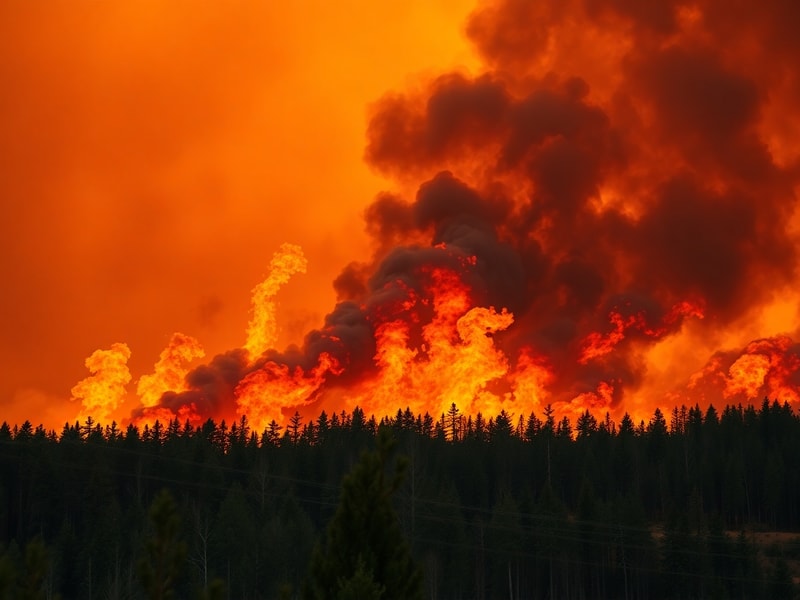
Environmentally, heat waves exacerbate other crises. Droughts follow heat domes, straining water supplies and increasing wildfire risks. In Australia, the 2019–2020 Black Summer fires burned 46 million acres, fueled by record-breaking heat and prolonged drought. The aftermath left ecosystems scarred and communities displaced, a reminder that heat warnings are just one piece of a larger climate puzzle.
How Communities Are Fighting Back
Cities are deploying innovative strategies to combat extreme heat. Los Angeles’s cool pavement initiative coats streets with reflective materials to lower surface temperatures by up to 10°F. Paris plants “cool islands”—pocket parks and shaded corridors—along popular routes. Meanwhile, India’s Heat Action Plans include early warning systems, public cooling centers, and staggered work hours for laborers.
Technology also plays a role. Smart thermostats and AI-driven weather models help predict heat waves with greater accuracy. In Dubai, drone technology is being tested to seed clouds and induce rainfall, a controversial but increasingly explored solution. Yet critics argue these measures only treat symptoms, not the root cause: greenhouse gas emissions.
For individuals, the best defense is preparation. The Centers for Disease Control and Prevention recommends staying hydrated, avoiding outdoor activity during peak heat, and checking on vulnerable neighbors. Simple steps like closing blinds during the day or using damp cloths can make a difference. But without systemic change, these efforts are bandages on a deeper wound.
The Future: Will We Heed the Warning?
The trajectory is clear: heat warnings will become more frequent and severe. The United Nations warns that by 2050, over 2 billion people could live in areas with deadly heat conditions for at least 20 days a year. The question isn’t whether we’ll adapt—it’s whether we’ll do so in time.
Some cities are leading the charge. Singapore’s “City in a Garden” initiative integrates greenery into urban design, while Rotterdam’s water plazas double as flood reservoirs and cooling hubs. These projects prove that resilience is possible—but they require political will and public investment.
For others, the path is less certain. In the Arctic, thawing permafrost releases methane, accelerating warming further. In the Global South, heat waves are often overshadowed by other crises, leaving marginalized communities with little recourse. The inequity of climate change demands a global response, one that prioritizes equity alongside innovation.
The Extreme Heat Warning isn’t just a weather alert—it’s a call to action. Whether through policy, technology, or cultural shifts, the time to act is now. The next heat wave could be the one that pushes us past the tipping point. Will we listen?