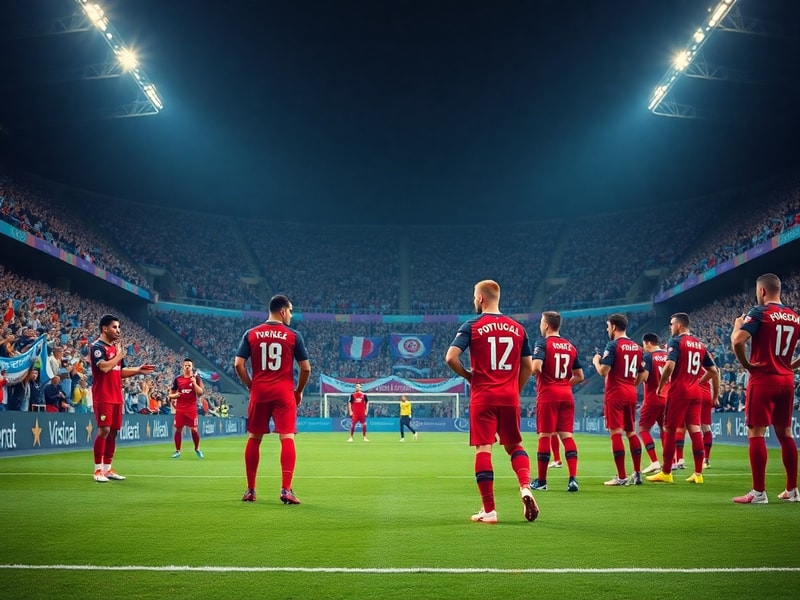
Portugal and Uzbekistan faced off in a high-stakes international football match that delivered drama, tactical battles, and moments of individual brilliance. The clash between two teams with contrasting footballing cultures and recent form offered more than just points—it provided a glimpse into evolving European and Asian football dynamics. With both sides pushing for different objectives, the encounter carried weight beyond the final score.
Pre-match context: ambitions and form
The Portuguese squad arrived in strong form, fresh off a series of competitive victories that reaffirmed their status as European contenders. Bruno Fernandes and Rafael Leão led a generation of talent blending experience with youthful energy, while coach Roberto Martinez sought to refine a system capable of grinding out results against organized opponents. Portugal’s recent performances had been steady, but not spectacular, leaving room for questions about their depth beyond the star names.
Uzbekistan, on the other hand, entered the match as underdogs with a reputation for disciplined defending and rapid counterattacks. Their journey to the tournament had been impressive, marked by clean sheets and structured buildup play under coach Srečko Katanec. While lacking the individual star power of their European rivals, Uzbekistan’s cohesion and pressing intensity made them a difficult side to break down. Their campaign was built on collective effort rather than reliance on a single playmaker.
The psychological edge seemed to favor Portugal, but football often rewards the unexpected. Uzbekistan had already proven capable of upsetting higher-ranked teams, and their physicality and set-piece threat posed real dangers. This match was not just about who played better—it was about which philosophy would prevail when tested under pressure.
Key tactical battles
The opening exchanges revealed a clear tactical narrative. Portugal, typically comfortable in possession, found Uzbekistan’s compact 4-4-2 difficult to penetrate. The Central Asian side sat deep, forcing Portugal to play through crowded midfields and exploit wide areas. Bruno Fernandes, usually the orchestrator, was often forced into deeper positions to help progression, disrupting his natural rhythm.
- Midfield duels: Portugal’s midfield trio of Fernandes, João Neves, and João Palhinha faced a tough Uzbekistani midfield shielded by defensive midfielders like Eldor Shomurodov. Neves, making his first start, showed composure but was frequently outnumbered in duels.
- Wide overloads: Portugal relied heavily on wing-backs Nuno Mendes and Diogo Dalot to stretch play, but Uzbekistan’s full-backs tracked runners effectively, preventing sustained attacks down the flanks.
- Counter-pressing: Uzbekistan pressed aggressively after losing the ball, particularly in wide zones. Their ability to force turnovers high up the pitch led to several dangerous transitions, catching Portugal’s defense off balance.
Portugal adjusted in the second half, introducing Bernardo Silva and Gonçalo Ramos to add creativity and movement. The introduction shifted the balance slightly, with Silva drifting into central areas to link play. However, Uzbekistan’s resolute defending and disciplined positioning kept them in the game, even creating chances from set pieces and quick breaks.
Individual moments that shaped the match
The match featured several standout individual performances that shifted momentum at critical moments. Rafael Leão, Portugal’s left-winger, was a constant threat with his pace and dribbling, testing Uzbekistan’s right-back multiple times. His close-range effort in the 68th minute forced a crucial save from Uzbekistan’s goalkeeper, a moment that symbolized Portugal’s growing urgency.
On the Uzbek side, Eldor Shomurodov stood out for his intelligent movement and link-up play. His hold-up ability allowed Uzbekistan to bypass midfield pressure and launch quick attacks. Though he didn’t score, his presence in the final third repeatedly stretched Portugal’s backline.
One of the most decisive moments came in the 79th minute, when Portugal finally broke through. A well-worked corner routine led to a tap-in for Gonçalo Ramos, who capitalized on a defensive miscommunication. The goal was a reward for persistence, but it also exposed Uzbekistan’s vulnerability in set-piece situations—a recurring issue in their campaign.
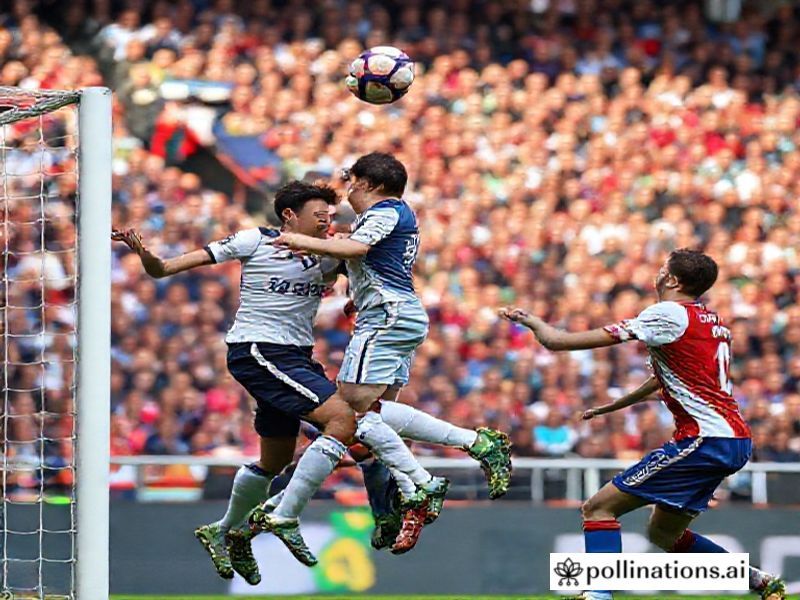
The late stages were tense as Uzbekistan pushed for an equalizer. Their best chance fell to Oston Urunov in stoppage time, whose header rattled the crossbar. The miss underscored Portugal’s defensive discipline under pressure and Uzbekistan’s inability to convert high-quality chances.
What this result means for both teams
For Portugal, the narrow victory reinforced their resilience but also highlighted structural challenges. While the team showed character, questions remain about their ability to dominate elite opponents without relying solely on individual brilliance. The lack of a clinical striker in the squad was evident, with Ramos’ goal coming only after multiple half-chances went begging. Martinez will need to address this area if Portugal are to progress deep in major tournaments.
Uzbekistan, despite the loss, can take pride in their performance. They matched a top-ranked European side tactically and physically, proving that their rise in Asian football is no accident. Their campaign has established them as a team capable of competing with—and even troubling—traditional footballing powers. The result will boost their confidence heading into future qualifiers and friendlies.
Looking ahead, both teams face contrasting paths. Portugal must refine their attacking output and defensive transitions, especially if they aim to challenge for trophies. Meanwhile, Uzbekistan’s focus will be on consolidating their progress, possibly targeting the AFC Asian Cup or World Cup qualifiers as stepping stones toward greater recognition.
The Portugal vs. Uzbekistan clash was more than a football match—it was a snapshot of modern international football, where tactical discipline meets individual flair, and underdogs challenge the established order. It left fans with a sense of anticipation: what’s next for these two teams, and how far can their evolving identities take them?