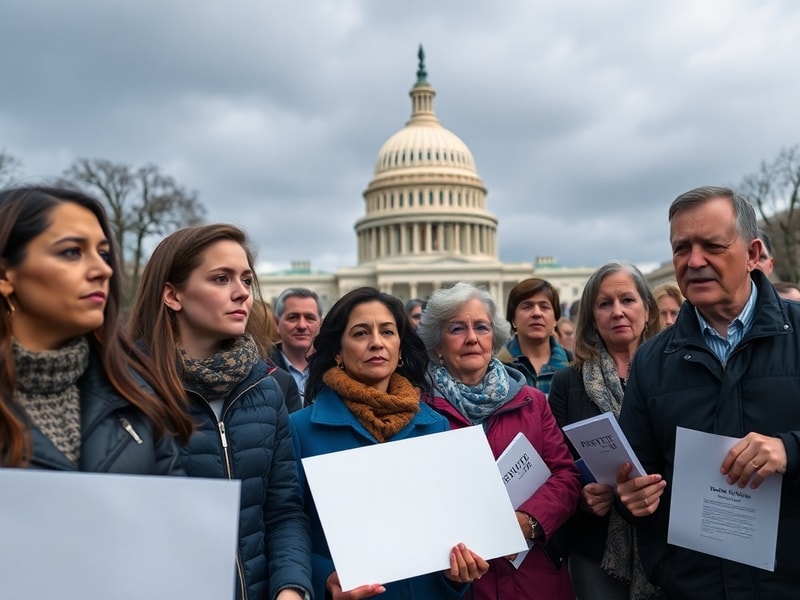
Senate Housing Affordability Bill: What It Means for Buyers and Renters
What the New Housing Affordability Bill Means for Seniors, Veterans, and First-Time Buyers
The Senate’s latest housing affordability bill, introduced in late spring, aims to tackle one of America’s most persistent domestic crises: the widening gap between household incomes and home prices. Unlike previous proposals that focused narrowly on construction subsidies or interest-rate adjustments, this bill weaves together tax incentives, zoning reforms, and direct cash assistance into a multi-pronged strategy. At its core, the legislation seeks to deliver immediate relief to the most vulnerable groups while laying the groundwork for long-term market stability.
Data from the National Association of Realtors shows that home prices have risen nearly 45 percent faster than wages since 2020. In cities like Los Angeles, Miami, and even smaller metros such as Boise and Austin, median home prices now exceed $500,000—well beyond the reach of median-income families. For retirees on fixed incomes and young couples saving for their first down payment, the dream of ownership feels increasingly distant. This bill attempts to shrink that distance by targeting three specific cohorts: seniors aged 65 and older, military veterans, and first-generation homebuyers under 35.
Key Provisions Inside the Senate Housing Bill
The legislation is divided into four main sections, each designed to address a different pressure point in the housing ecosystem.
First, it expands the Down Payment Assistance Program by increasing the maximum grant from $15,000 to $30,000 for buyers earning less than 120 percent of the area median income. The program will now accept gifted funds from family members, removing a bureaucratic hurdle that has slowed closings for many first-time buyers.
Second, the bill introduces a Veterans’ Home Loan Match. For every dollar a veteran puts down, the federal government will match it with two dollars in forgivable loans, up to a total of $40,000. This provision is expected to help roughly 80,000 veterans nationwide who currently rent but qualify for a mortgage under conventional terms.
Third, it creates a Senior Housing Voucher. Low-income seniors who spend more than 30 percent of their income on rent can apply for a voucher that covers the difference between their rent and 25 percent of their monthly Social Security benefit. Early estimates suggest this could benefit up to 200,000 households in the first year alone.
Finally, the bill allocates $3 billion to a Zoning Modernization Grant that rewards municipalities for relaxing single-family zoning laws and allowing accessory dwelling units (ADUs). Cities that remove regulatory barriers within 18 months will receive priority funding for infrastructure improvements, signaling a rare federal carrot for local governments resistant to change.
Global Lessons: How Other Nations Handle Housing Affordability
While the United States grapples with its own version of the crisis, other developed nations have adopted strikingly different approaches—some successful, others still works in progress. A brief tour of international models offers both cautionary tales and potential blueprints for American policymakers.
In Vienna, Austria, social housing accounts for nearly 60 percent of the city’s residential stock. Rent control is paired with strict limits on condo conversions, ensuring that market-rate development does not erode the affordable stock. The city also uses a points system to allocate public housing, prioritizing large families and low-income seniors—an approach that could inform the Senate’s voucher program.
Singapore’s Housing & Development Board (HDB) has built more than one million public flats since the 1960s, home to roughly 80 percent of the city-state’s population. The HDB uses a leasehold model that keeps prices affordable while allowing residents to accumulate equity through a government-matched savings scheme. The program’s success hinges on aggressive land reclamation and high-density design, concepts that could inspire zoning reforms in sprawling Sun Belt metros.
By contrast, the United Kingdom’s experience with right-to-buy policies in the 1980s demonstrates the risks of privatization without adequate safeguards. When council housing stock was sold to sitting tenants at deep discounts, the overall supply of affordable units plummeted, pushing rents upward and creating a new generation of “generation rent.” American lawmakers would be wise to study this cautionary tale before scaling back public housing in favor of market-based solutions.
Who Wins—and Who Still Gets Left Behind
The bill’s immediate beneficiaries are clear: seniors living on modest pensions, veterans returning from overseas deployments, and young families scraping together savings for a starter home. For these groups, the combination of grants, vouchers, and loan matches could shave years off the time needed to save for a down payment. Early simulations by the Urban Institute project that under-35 homeownership rates could rise by 3 to 4 percentage points within five years if the bill passes in its current form.
Yet the legislation is not without gaps. Critics point out that the $30,000 down-payment grant, while generous, will not cover the full 20 percent down payment required in high-cost coastal cities. In San Francisco, for example, a median-priced home now costs $1.3 million; even with the grant, a buyer would still need to save an additional $200,000—an impossible hurdle for most teachers, nurses, and municipal workers.
Another blind spot is the bill’s treatment of Black and Latino households, which have historically faced discriminatory lending practices and appraisal gaps. While the bill prohibits lenders from considering past credit blemishes caused by medical debt, it does not include provisions for down-payment assistance targeted specifically to communities that have been systematically excluded from wealth-building opportunities. Without these targeted measures, the legislation risks perpetuating the very inequities it claims to remedy.
Rural areas also remain largely overlooked. The bill’s zoning grants favor dense urban cores where land values are highest, leaving small towns and exurban counties with few tools to stimulate affordable construction. Lawmakers from states like Iowa and West Virginia have already signaled they will push for amendments that redirect funding to rural co-ops and community land trusts—models that have successfully kept housing costs low in places like Burlington, Vermont, and rural Minnesota.
What Comes Next—and How to Stay Informed
The bill now heads to the Senate Banking Committee, where it faces a gauntlet of hearings, markups, and potential amendments. Majority Leader Chuck Schumer has indicated he wants a floor vote before the August recess, but the path is far from certain. Republican critics argue the bill’s price tag—estimated at $54 billion over ten years—will fuel inflation and strain the federal deficit. Meanwhile, progressive senators are pushing for even larger allocations, especially for tribal housing authorities and migrant worker communities.
For voters and stakeholders, the next sixty days will be critical. Town halls, op-eds, and grassroots lobbying campaigns are already ramping up in swing districts from Georgia to Nevada, where tight housing markets could sway midterm elections. To track the bill’s progress in real time, the Politics section of Dave’s Locker will provide live updates on committee votes, whip counts, and constituent feedback. The site will also host an interactive map showing how the proposed grants and vouchers would flow to each congressional district—useful for advocates who want to pressure their representatives.
Regardless of how the Senate ultimately shapes the final text, one truth remains: the housing crisis is no longer a niche issue confined to coastal elites. From the frozen streets of Minneapolis to the sunbaked suburbs of Phoenix, the inability to secure stable shelter is reshaping family structures, retirement timelines, and even national migration patterns. What happens in the Senate chamber this summer may determine whether that reshaping leads to greater equity—or deeper divides—for decades to come.