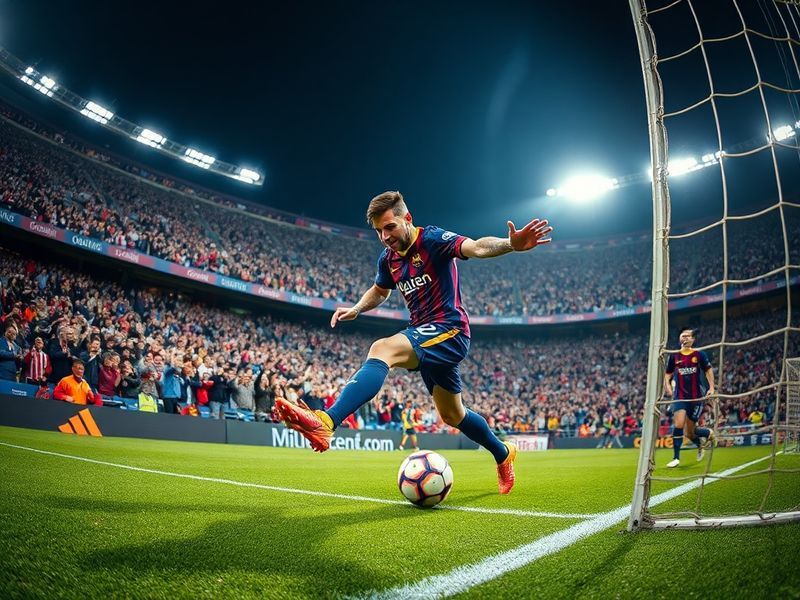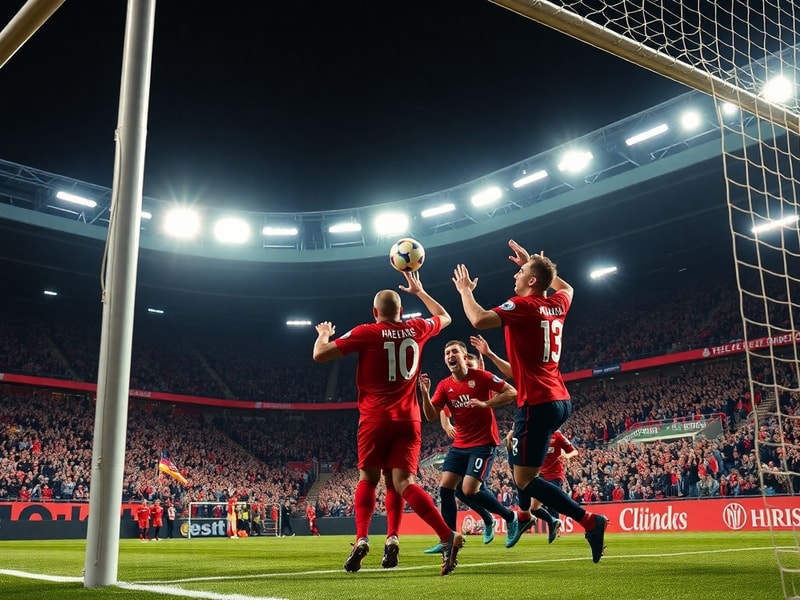
The FIFA World Cup is more than just a tournament—it’s a stage where legends are made. Among the most celebrated figures in the competition’s history are the goal leaders, players who have turned the World Cup into their personal scoring gallery. These athletes transcend national boundaries, uniting fans across continents with every strike of the ball. Their achievements are etched into the tournament’s lore, inspiring future generations and defining eras of football.
The Icons of World Cup Goal Scoring
When discussing World Cup goal leaders, certain names emerge as synonymous with scoring greatness. Brazil’s Ronaldo Nazário holds the record for most goals scored in World Cup tournaments, with 15 across three editions (1994, 1998, and 2002). His combination of speed, skill, and clinical finishing made him a nightmare for defenders. Germany’s Miroslav Klose, with 16 goals, surpassed Ronaldo in 2014, becoming the all-time top scorer in World Cup history. Klose’s intelligent movement and composure under pressure set him apart.
Germany’s Gerd Müller, known as “Der Bomber,” scored 14 goals in just two tournaments (1970 and 1974). His ability to find space in crowded penalty areas remains unmatched. France’s Just Fontaine holds the record for most goals in a single tournament, with 13 in 1958. His record has stood for over six decades, a testament to the rarity of such an achievement.
These players didn’t just score goals—they defined moments. Fontaine’s 1958 haul included four goals in a single match against West Germany. Müller’s 1970 performance saw him score in every knockout-round game. Klose’s 2014 goal against Brazil in the semifinals broke multiple records, cementing his legacy. Their stories reflect the evolution of football tactics, from Müller’s physical dominance to Klose’s modern, team-oriented approach.
The Cultural Impact of World Cup Scorers
World Cup goal leaders often become symbols of national pride. In 1970, Pelé’s three goals in the final helped Brazil secure their third World Cup title, cementing their status as football royalty. His performances transcended sport, making him a global icon. Similarly, Diego Maradona’s two goals against England in 1986—including the infamous “Hand of God”—became cultural touchstones, debated and dissected worldwide.
In Africa, Cameroon’s Roger Milla’s goals in 1990, at age 38, inspired a continent. His celebrations at the corner flags became iconic, symbolizing joy and defiance. In Asia, South Korea’s Ahn Jung-hwan’s golden goal against Italy in 2002 ended Italy’s tournament run and sparked nationwide celebrations. These moments highlight how World Cup scorers become more than athletes; they become cultural ambassadors.
Even in defeat, goal leaders leave a lasting mark. England’s Gary Lineker, despite never winning the World Cup, remains one of the tournament’s most beloved scorers, with 10 goals in two editions. His sportsmanship and humility endeared him to fans worldwide. These players often bridge divides, uniting diverse audiences through shared moments of brilliance.
The Evolution of Goal Scoring in the World Cup
World Cup goal scoring has evolved dramatically since the tournament’s inception in 1930. Early tournaments featured fewer goals due to tactical limitations and defensive strategies. In 1950, only 88 goals were scored in 22 matches, averaging 4 goals per game. By contrast, the 2014 World Cup in Brazil saw 171 goals in 64 matches, averaging 2.67 per game—a reflection of faster play and more attacking football.
Defensive innovations, such as the introduction of the back four and sweeper systems, initially reduced goal tallies. However, attacking football made a resurgence in the 1970s, with total goals rising again. The 1998 and 2002 tournaments saw average goals per game exceed 2.5, thanks to rule changes like the back-pass ban and stricter officiating. Modern tournaments prioritize entertainment, often leading to higher-scoring games.
The role of technology has also influenced goal scoring. The introduction of VAR (Video Assistant Referee) in 2018 reduced controversial decisions but also added scrutiny to every potential goal. Players today benefit from advanced training and analytics, refining their finishing techniques. The rise of social media has amplified their reach, turning every goal into a viral moment.
Controversies and Records That Define Careers
World Cup goal scoring isn’t without its controversies. Just Fontaine’s 1958 record remains untouched, but debates persist over whether his era’s weaker defenses inflated his tally. Similarly, Klose’s record-breaking goal in 2014 was celebrated, but some argued it came against an aging Brazil side. These discussions add layers to the legacy of goal leaders.
Other controversies involve penalties and officiating. In 1990, Argentina’s Claudio Caniggia’s goal against Brazil was initially disallowed for a supposed offside, only to be overturned after protests. Such moments highlight the human element in goal scoring—referees, VAR, and even luck play roles. Players like Portugal’s Eusébio, who scored nine goals in 1966, benefited from favorable refereeing in some matches.
Records are also a double-edged sword. Ronaldo’s 15-goal tally spanned 1994 to 2006, but his 2006 World Cup was marred by fitness issues. His legacy remains intact, but the narrative around his later years adds complexity. These stories remind us that World Cup goal leaders are human—subject to injuries, form, and external pressures.
The Legacy of World Cup Goal Leaders
The impact of World Cup goal leaders extends beyond trophies and statistics. Many go on to become coaches, commentators, or ambassadors for the sport. Klose, for example, transitioned into coaching, while Ronaldo became a global icon in sports marketing. Their post-World Cup careers often shape football’s future, from youth academies to broadcasting.
For fans, these players represent hope and nostalgia. A child watching Messi score in 2014 might dream of emulating him. A Brazilian fan reliving Ronaldo’s 2002 performances feels a connection to the past. World Cup goal leaders become part of collective memory, their goals replayed in documentaries, video games, and conversations.
As the World Cup evolves, so too will its goal leaders. Younger players like Kylian Mbappé, already a goal scorer at 19 in 2018, promise to rewrite records. The tournament’s global reach ensures that future scorers will come from every corner of the world, from Africa’s emerging talents to Asia’s rising stars. One thing is certain: the next chapter of World Cup goal scoring will continue to captivate, inspire, and divide fans worldwide.
For those looking to dive deeper into the history of World Cup legends, explore our Sports category for more articles on football’s greatest stories. Whether you’re a casual fan or a die-hard follower, the tournament’s goal leaders offer endless stories to discover.