Football’s Global Stage: Bosnia vs Qatar and the Weight of Legacy
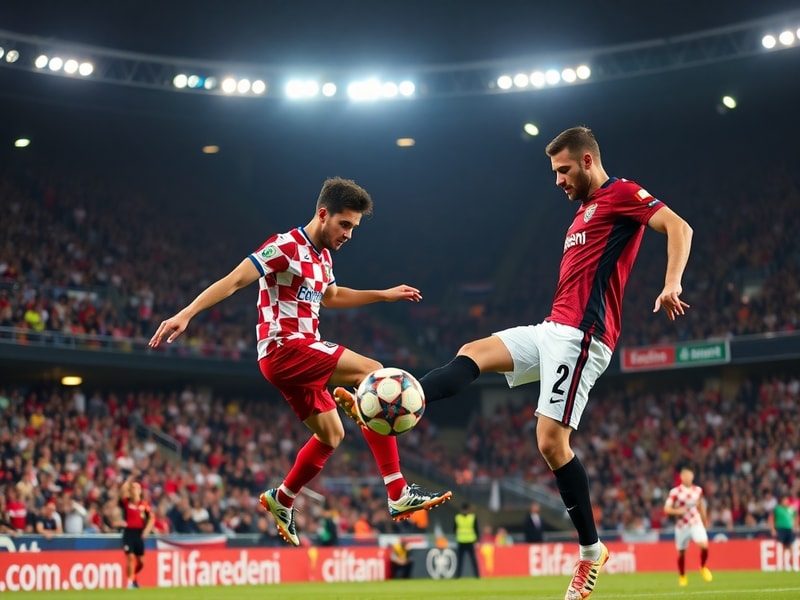
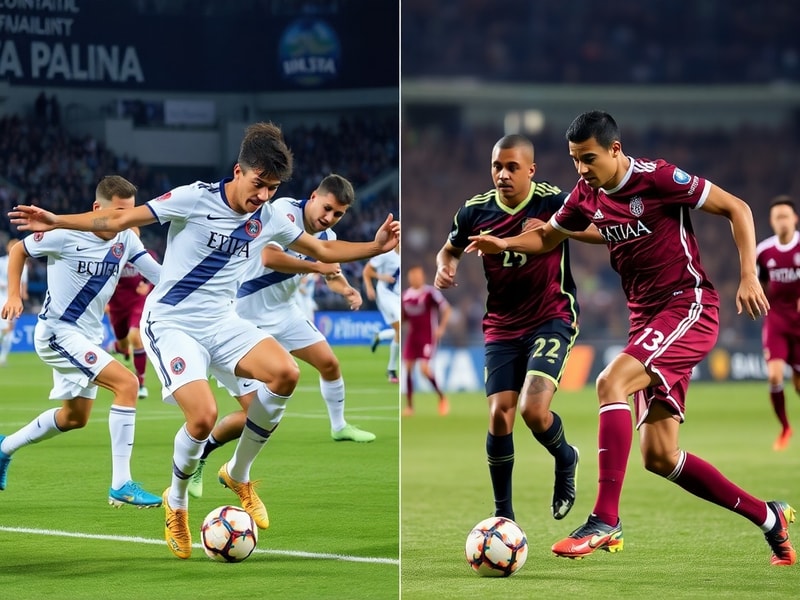
When Bosnia and Herzegovina faced Qatar on the international football pitch earlier this year, the match wasn’t just a game. It was a collision of histories, ambitions, and futures. Bosnia, a nation still rebuilding decades after war, brought grit and identity. Qatar, the host of the 2022 World Cup, carried the pressure of expectation and the burden of hosting’s long shadow. The 2–1 result in favor of Bosnia wasn’t just a scoreline—it was a statement.
These two teams represent more than talent. They embody the broader story of football as a mirror to national identity, economic transformation, and sporting ambition. Bosnia’s golden generation, led by veterans like Edin Džeko, continues to chase a major tournament berth. Qatar, meanwhile, has invested heavily in football as part of a national strategy to diversify its global presence beyond energy. But beyond the headlines, what does this matchup reveal about football’s evolving role in culture, politics, and national pride?
The Context: Why This Match Matters Beyond the Pitch
Bosnia and Herzegovina has only qualified for one major international tournament—the 2014 FIFA World Cup in Brazil. Even then, it exited at the group stage. Since then, the golden generation of Džeko, Miralem Pjanić, and Sead Kolašinac has aged. Hopes for Euro 2024 faded with a playoff loss. For a country still healing from the 1992–1995 war and ethnic divisions, football remains a rare unifying force.
Qatar, on the other hand, is building a football legacy from scratch. After controversies surrounding the 2022 World Cup, the Gulf state has doubled down on investment. Aspire Academy has produced talents like Almoez Ali and Akram Afif. The Qatar Stars League now hosts stars like Xavi and Romário. Football is part of Qatar’s soft power strategy—a way to shape its image globally and prepare for a post-hydrocarbon future.
The friendly between Bosnia and Qatar wasn’t just a warm-up. It was a test of identity. Bosnia played with the urgency of a team fighting for relevance. Qatar played with the confidence of a host nation that believes it belongs among Europe and South America’s elite. The match revealed more than skill—it exposed narratives.
Key Takeaways from the Match
The game unfolded in phases: pressure, counterattack, and a late twist. Here are the moments that defined it:
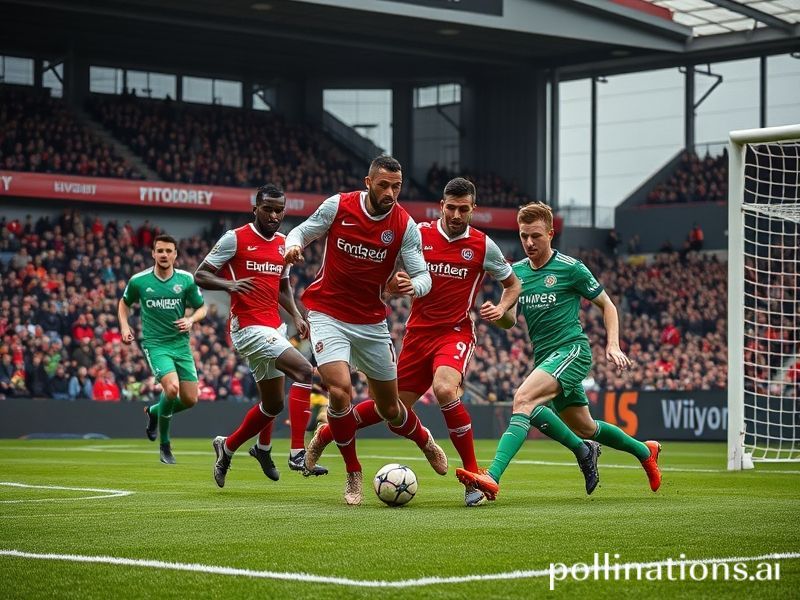
- First-half dominance: Bosnia pressed high, forcing Qatar into mistakes. Džeko nearly scored in the first minute, a sign of intent.
- Qatar’s resilience: Despite early pressure, Qatar defended compactly and threatened on the break, showing tactical maturity.
- Bosnia’s clinical finish: After a missed chance by Džeko, Bosnia broke through in the 38th minute—Hamza Čataković scored from a rebound.
- Qatar’s late response: A 78th-minute goal by Almoez Ali brought hope, but Bosnia held firm and secured the win.
- Tactical contrast: Bosnia relied on physicality and crosses. Qatar used quick transitions and technical skill—revealing two different football philosophies.
The result wasn’t just about three points. It was about Bosnia asserting its place in the football world. Qatar showed progress, but also exposed vulnerabilities in transition. For a nation aspiring to host and compete at the highest level, the loss was a reminder: football rewards not just investment, but consistency.
The Broader Implications: Football as Nation-Building
Football has always been more than a sport in nations rebuilding from conflict. In Bosnia, it’s a bridge between communities. In Qatar, it’s a tool of global influence. Both cases show how football can shape national identity—but with very different outcomes.
For Bosnia, the match was a morale boost. With the 2026 World Cup qualifiers approaching, every point counts. The team still has fighting spirit, but the window is closing. The federation must decide whether to invest in youth development or rely on veterans. The choice will define Bosnia’s football future.
For Qatar, the loss was a setback, but not a disaster. The nation’s long-term strategy includes hosting tournaments, developing local talent, and integrating expatriate players. The Qatar Football Association has already achieved one goal: proving it can compete against traditional football powers. The next step is consistency.
This matchup also reflects a global trend: football as soft power. Nations with limited political influence use football to enhance their global standing. From Saudi Arabia’s LIV Golf and Newcastle United takeover to Morocco’s historic 2022 World Cup run, football is now a geopolitical tool. Bosnia and Qatar represent two ends of this spectrum—one fighting to be seen, the other fighting to be taken seriously.
What Comes Next for Both Teams
For Bosnia, the path forward is clear but difficult. The team must qualify for Euro 2028 or the 2026 World Cup. That means developing young players like 19-year-old winger Benjamin Šeško, who plays for RB Leipzig. It also means improving the domestic league, which struggles with infrastructure and financial instability. The Bosnia Football Federation must balance ambition with realism.
For Qatar, the focus remains on development. The 2024 AFC Asian Cup will be a key test. Qatar is the defending champion and will play on home soil, but expectations are high. The team must prove it can perform consistently, not just in friendlies. Long-term, Qatar aims to qualify for the 2026 World Cup—a goal that would cement its place among football’s elite.
Both nations face a common challenge: football is a reflection of broader societal progress. Bosnia’s success depends on unity beyond sport. Qatar’s success depends on balancing ambition with authenticity. Neither can rely solely on investment—they must build sustainable systems.
Conclusion: More Than a Game, a Mirror
The Bosnia vs Qatar match was a small moment in football’s vast calendar. But it carried weight. Bosnia showed that legacy isn’t just about the past—it’s about fighting for the future. Qatar showed that investment alone isn’t enough—you need culture, identity, and resilience.
Football is never just a game. It’s a story of nations. And in this story, Bosnia and Qatar are both authors—and their next chapters are still being written.