Football’s Global Stage: Bosnia and Herzegovina vs Qatar—A Clash of Contrasts
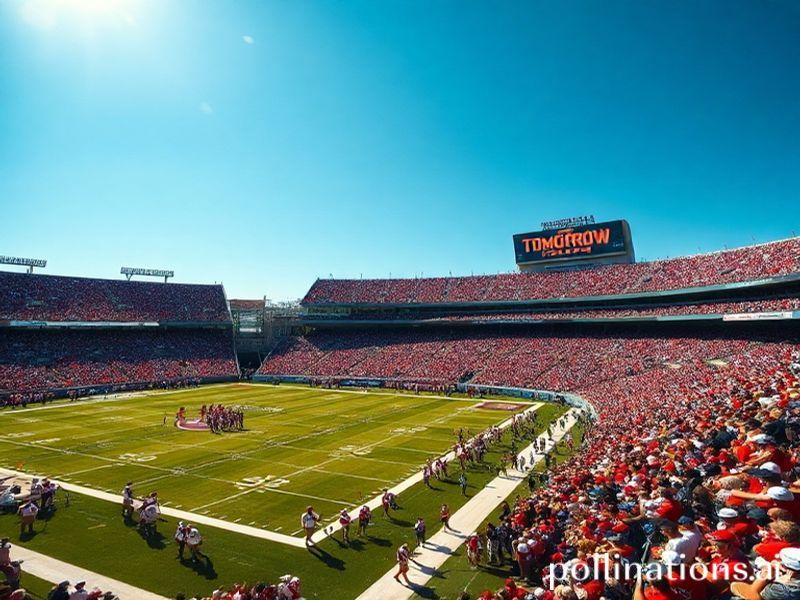
When Bosnia and Herzegovina’s national football team stepped onto the pitch against Qatar in a recent international friendly, the match wasn’t just another fixture on the calendar—it was a collision of footballing cultures, ambitions, and identities. On one side stood a nation with deep footballing roots but a history of struggle, on the other, a rising Gulf power investing heavily in the sport. The game, though ultimately a 2-1 victory for Qatar, was more than the scoreline. It highlighted the diverging trajectories of football development in Europe and the Middle East, and what those differences mean for the future of the game.
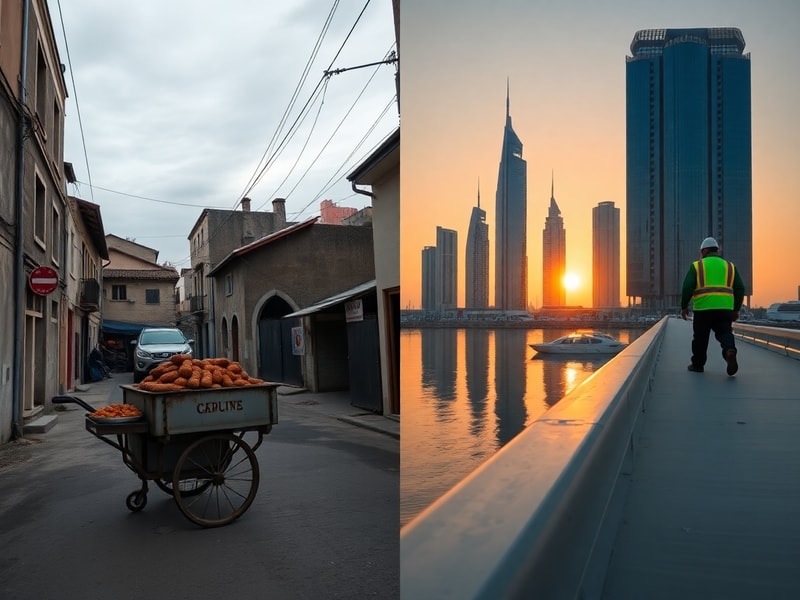
The encounter also reflected a broader trend: the increasing willingness of football associations from smaller nations to test themselves against wealthier opponents, not just for prestige, but for growth. For Bosnia and Herzegovina, a country still rebuilding its identity since the 1990s war, every match is a statement. For Qatar, a nation using football as a tool of soft power, every game is a step toward proving its place on the world stage.
Bosnia and Herzegovina: Football as Identity
Bosnia and Herzegovina’s footballing journey is intertwined with its turbulent history. The national team, affectionately known as the “Zmajevi” (Dragons), emerged from the ashes of the Yugoslav Wars in the 1990s. Their first major tournament, the 2014 FIFA World Cup, was a symbol of national unity and resilience. Players like Edin Džeko and Miralem Pjanić became icons not just for their skill, but for what they represented—a country coming together through sport.
Yet, despite moments of brilliance, Bosnia has struggled to maintain consistency. Injuries, internal disputes, and the challenge of retaining talent have plagued the team. The 2022 World Cup qualification campaign ended in disappointment, missing out on a playoff spot by a single point. While the federation has invested in youth development, the pipeline of world-class players remains inconsistent.
The match against Qatar offered a chance to test their progress. Bosnia dominated possession and created chances, but lacked the clinical finish that has often eluded them in big games. The 2-1 loss, though disappointing, revealed both promise and fragility—promise in their ability to control play, fragility in their inability to convert it.
Qatar: Building a Football Legacy
Qatar’s approach to football is deliberate, strategic, and state-driven. The 2022 FIFA World Cup was just the beginning. Since then, the country has doubled down on football as part of its national brand, investing in academies, foreign coaches, and high-profile friendlies. The national team, once a regional afterthought, is now a regular participant in Asian competitions and a growing force in the Gulf.
The win over Bosnia was significant not just for the result, but for the statement it made. Qatar’s players, many of whom trained in European academies, displayed technical sophistication and tactical discipline. Their midfield controlled the tempo, their defense remained compact, and their strikers showed composure in front of goal. It was a performance that underscored Qatar’s ambition to be more than a host nation—it wants to be a competitor.
This philosophy is part of a wider vision. The Aspire Academy, Qatar’s elite training center, has become a model for talent development in the region. By blending local talent with imported expertise, Qatar is building a sustainable footballing ecosystem. The goal isn’t just to qualify for tournaments—it’s to challenge for them.
What the Match Revealed About Football’s Future
The Bosnia vs Qatar clash was a microcosm of football’s shifting dynamics. On one hand, you have traditional footballing nations like Bosnia, where passion and history drive the game, but where resources and infrastructure are limited. On the other, you have emerging footballing nations like Qatar, where investment and vision are reshaping the sport’s landscape.
This divide raises important questions about the future of international football. Will smaller nations like Bosnia continue to punch above their weight, or will they be left behind as wealthier federations and clubs hoard talent? Conversely, can countries like Qatar sustain their progress without over-reliance on foreign investment?
One thing is clear: football is no longer the exclusive domain of Europe and South America. Nations from Asia, Africa, and the Middle East are investing in the sport at an unprecedented rate. The result is a more competitive and unpredictable global game.
Key Takeaways from the Encounter
The match between Bosnia and Herzegovina and Qatar offered several insights into the current state of international football. Here are the most notable:
- Tactical Evolution: Qatar’s disciplined pressing and positional play highlighted the increasing tactical sophistication of Gulf teams.
- Bosnia’s Potential: Despite the loss, Bosnia showed flashes of brilliance, suggesting they remain capable of competing with Europe’s elite.
- Investment vs. Tradition: Qatar’s win underscored how targeted investment can accelerate development, while Bosnia’s struggles raised questions about sustainability in smaller federations.
- Globalization of Talent: The presence of Qatari players trained in Europe reflected the growing trend of talent migration across continents.
- Soft Power in Football: For Qatar, every match is part of a broader strategy to enhance its global image through sport.
These lessons extend beyond a single game. They reflect a broader shift in how football is played, developed, and consumed around the world.
The Broader Implications for International Football
The Bosnia vs Qatar match wasn’t just about football—it was about ambition. For Bosnia, it was a reminder of how far they’ve come and how far they still have to go. For Qatar, it was another step in its quest to redefine its place in the sport. But the implications are larger than either team.
In Europe, football is a cultural institution, deeply rooted in community and history. In the Middle East, it’s a tool of modernization and global engagement. These differing approaches are reshaping the sport’s hierarchy. Teams from outside the traditional powerhouses are no longer content with being participants—they want to be contenders.
This shift also presents challenges. The financial disparity between wealthy federations and smaller ones risks creating a two-tier system in international football. If Bosnia and other mid-tier nations cannot secure sustainable funding, their progress may stall. Meanwhile, Qatar and similar nations must ensure their investment translates into long-term success, not just short-term gains.
Yet, there’s also opportunity. As football becomes more global, the competition for talent and attention intensifies. This could lead to more innovation in coaching, player development, and even fan engagement. The Bosnia vs Qatar match was a small but meaningful chapter in this evolution.
For fans, it’s a reminder that football is no longer predictable. The next generation of stars could come from Sarajevo or Doha, not just Manchester or Madrid. The game is expanding, and with it, the possibilities.
What Comes Next for Both Teams
For Bosnia and Herzegovina, the focus must remain on youth development and retaining homegrown talent. The federation’s investment in academies is a step in the right direction, but results won’t come overnight. The team’s next challenge will likely be the UEFA Nations League, where they’ll face familiar opponents in a competitive environment.
Qatar, meanwhile, is likely to continue its upward trajectory. With the 2026 World Cup co-hosted by North America, the team will have more opportunities to test itself against top-tier opponents. Their goal should be to qualify for the tournament on merit, not just as hosts. This match against Bosnia was a positive sign, but the real test lies ahead.
Both teams represent different paths in modern football. Bosnia’s journey is one of resilience and identity, while Qatar’s is one of ambition and transformation. Their clash on the pitch was more than a game—it was a snapshot of football’s future.
As the sport evolves, so too will the stories of teams like these. For now, Bosnia and Qatar have given fans a glimpse of what’s possible when passion meets purpose. The next chapter will be written on pitches far beyond Doha or Sarajevo.