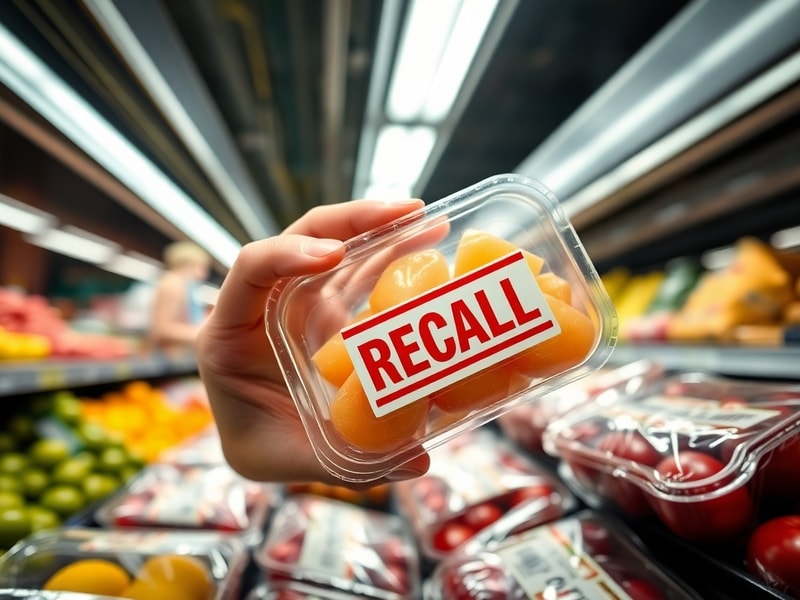
Major supermarket chains across the U.S. have initiated urgent recalls of prepackaged fruit products following confirmed salmonella contamination fears. The move affects a wide range of items, from pre-cut melon cups to fruit salad mixes, sold in stores nationwide. Health officials warn consumers to check their refrigerators immediately, as the recalled products pose serious health risks, particularly to vulnerable populations such as young children, the elderly, and immunocompromised individuals.
What triggered the recall?
The contamination was traced back to a supplier in Mexico, which provided pre-sliced fruit to multiple U.S. distributors. According to the Centers for Disease Control and Prevention (CDC), at least 15 cases of salmonella have been linked to these products, with symptoms ranging from mild gastrointestinal distress to severe dehydration requiring hospitalization. The affected fruits include cantaloupe, honeydew, and pineapple, often sold in plastic clamshell containers or plastic cups.
Investigations revealed that the supplier failed to adhere to proper sanitation protocols, allowing bacterial growth during processing. The recall affects products distributed between June 1 and June 15, but some items may still be on store shelves or in consumers’ homes. Major retailers, including Kroger, Walmart, and Albertsons, have posted recall notices on their websites and in-store signage.
Which products are affected?
The recall spans dozens of products from various brands. Below is a partial list of the most commonly distributed items:
- Pre-cut cantaloupe cups (various brands)
- Honeydew melon chunks (store-brand and national labels)
- Pineapple spears and chunks (prepackaged)
- Fruit salad mixes containing any of the above ingredients
- Ready-to-eat fruit trays (sold in refrigerated sections)
Consumers are advised to discard any recalled products immediately. If you’re unsure whether your purchase is affected, check the product label for lot numbers and expiration dates. The CDC has set up a dedicated hotline for questions about the recall.
Broader implications for food safety
The recall underscores longstanding concerns about food safety in the global supply chain. While salmonella outbreaks linked to fresh produce are not uncommon, the scale of this recall highlights systemic vulnerabilities. Contaminated produce often travels thousands of miles before reaching consumers, crossing multiple regulatory jurisdictions along the way.
Critics argue that current oversight mechanisms are insufficient. The U.S. Food and Drug Administration (FDA) relies on a patchwork of inspections, many of which occur months apart. Additionally, the use of third-party auditors—often hired by the companies being audited—has drawn scrutiny for potential conflicts of interest.
The incident also raises questions about transparency in food labeling. Many recalled products were labeled as “ready-to-eat,” which implies they require no further preparation. Yet, the risk of contamination persists even in processed foods, as evidenced by this outbreak.
How to stay safe
In response to the recall, health experts recommend a few precautions:
- Check your fridge for any prepackaged fruit products purchased in the last two weeks.
- When in doubt, throw it out—do not attempt to wash or cook the fruit, as salmonella can survive on surfaces.
- Wash your hands thoroughly after handling any fresh produce, even if it hasn’t been recalled.
- Report any symptoms of salmonella poisoning—such as diarrhea, fever, or abdominal cramps—to your healthcare provider.
The CDC emphasizes that prevention starts at the supplier level. Enhanced testing, stricter sanitation standards, and real-time monitoring systems could help mitigate future risks. However, until such measures are universally adopted, consumers must remain vigilant.
The latest recall serves as a stark reminder that food safety is a shared responsibility. While retailers and suppliers must prioritize hygiene and compliance, shoppers should also stay informed and proactive. For updates on this evolving situation, visit the Food Safety section of Dave’s Locker.