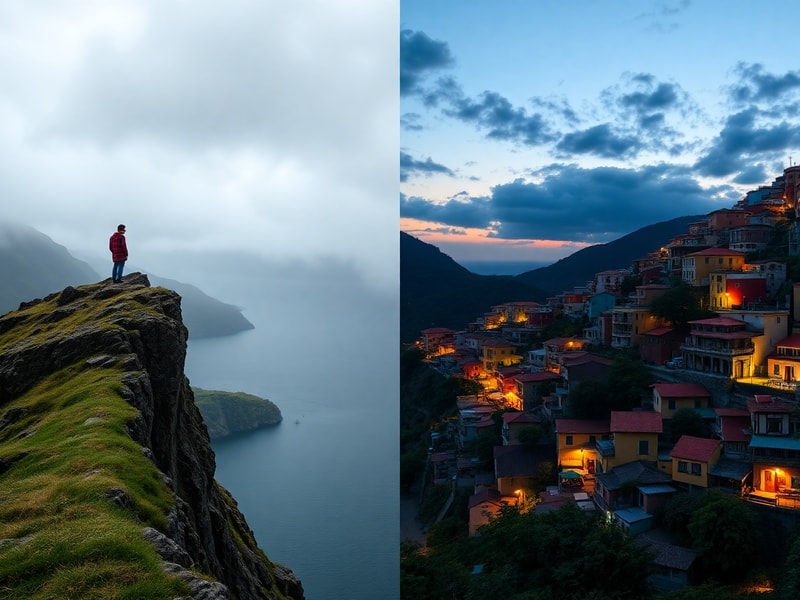
The rivalry between Scotland and Brazil transcends football. It’s a collision of cultures, histories, and playing philosophies that plays out on the pitch while reflecting broader global dynamics. Both nations carry distinct identities: Scotland with its gritty tradition and Brazil with its dazzling flair. Yet when these teams meet, the contrast becomes more than stylistic—it’s a narrative of ambition, identity, and the weight of legacy in modern football.
The weight of history and the burden of expectation
Scotland’s footballing identity has long been forged in resilience. The Tartan Army, known for its loyalty and passion, has often punched above its weight in European competitions. Yet, qualification for major tournaments remains a persistent challenge. Their last appearance at a World Cup was in 2022, a moment of pride, but one that also highlighted the gap between ambition and achievement. Brazil, by contrast, carries a legacy unmatched in football history—five World Cup titles, a reputation for creativity, and a global fanbase that sees the Seleção as both a national symbol and a cultural ambassador.
This disparity in recent success frames every encounter. When Scotland faces Brazil, it’s not just a match—it’s a test of underdog spirit against a global superpower. The psychological pressure on the Scottish side is palpable. Every pass, every tackle, every missed chance becomes a referendum on whether tradition and heart can outweigh technical superiority and star power. For Brazil, the pressure is different but no less real. With a squad brimming with talent like Vinícius Jr. and Endrick, expectations are sky-high. A loss doesn’t just cost points; it risks undermining a narrative of perpetual excellence.
Playing styles: pragmatism meets samba rhythm
The contrast between the two teams isn’t just about results—it’s about philosophy. Scotland’s approach is built on structure, physicality, and set-piece efficiency. Managers like Steve Clarke emphasize organization, pressing traps, and direct play through midfield. The team’s identity is rooted in collective effort, where individual brilliance is secondary to tactical discipline. This has made them competitive in qualifying campaigns but often limits their ability to break down elite opponents over 90 minutes.
Brazil, meanwhile, embodies the opposite philosophy. Their football is a celebration of individual skill, collective rhythm, and improvisation. From Pelé to Ronaldinho to Neymar, the Seleção has defined flair as a national trait. Even in defensive moments, Brazil’s style is rooted in anticipation and quick transitions—never just defending, but always looking to counter-attack with purpose. This duality of creativity and pragmatism was most evident under managers like Tite, who balanced flair with structure, proving that even Brazil could adapt when necessary.
When these styles collide, the result is often a fascinating tactical duel. Scotland’s compact shape can frustrate Brazil’s midfield maestros, forcing errors and creating chances on the break. But when Brazil breaks through, the spectacle is breathtaking—rapid exchanges, sudden changes of tempo, and moments of individual genius that remind the world why Brazil is synonymous with football artistry.
Cultural narratives beyond the pitch
This rivalry is not confined to the 90 minutes on the field. It reflects deeper cultural narratives. Scotland, with its working-class roots and industrial heritage, has long used football as a form of self-expression. The Tartan Army’s chants, the sea of blue in stadiums, and the communal experience of match days are all extensions of identity. Football in Scotland is less about glory and more about belonging—a way to assert presence in a globalized world.
Brazil’s relationship with football is equally profound but fundamentally different. For Brazil, football is not just a sport—it’s a cultural ecosystem. From the favelas of Rio to the beaches of Salvador, football is woven into daily life. It’s a vehicle for social mobility, a source of national pride, and a global export. The Brazilian style—joyful, creative, and unpredictable—isn’t just a tactical choice; it’s an artistic statement. Players are often seen as artists, and the pitch as a stage for cultural performance.
When these two footballing cultures meet, the contrast becomes a dialogue. Scotland’s understated determination clashes with Brazil’s exuberant creativity. One team plays with its head; the other with its soul. Yet, in an era where football increasingly values tactical sophistication, both approaches offer something valuable. Scotland’s resilience is a reminder that success isn’t solely about resources. Brazil’s flair is a celebration of the human spirit’s creativity.
Recent encounters and their evolving dynamic
In recent years, the meetings between Scotland and Brazil have been sporadic but significant. Their most notable clash came in the 1998 World Cup, where Brazil won 2–1 in a tightly contested match. More recently, in 2023, they met in a friendly where Scotland held Brazil to a 0–0 draw—a result that, while not a win, was celebrated as a moral victory. Such results highlight Scotland’s progress and Brazil’s occasional struggles against organized, physical opponents.
The evolution of both teams has added new layers to the rivalry. Scotland’s integration of younger players like Billy Gilmour and Scott McTominay has brought a blend of experience and potential. Brazil’s transition has been even more dramatic, with a new generation led by players like Endrick and Pedrinho reshaping expectations. The shift from veterans like Neymar and Casemiro to emerging stars signals a changing of the guard—a moment where Brazil must redefine its identity while Scotland seeks to solidify its place among Europe’s elite.
Looking ahead, the next chapter of this rivalry will likely be shaped by two factors: Scotland’s ability to bridge the gap between tradition and modernity, and Brazil’s capacity to balance innovation with the weight of history. Both teams face the challenge of evolving without losing what makes them unique.
Scotland must find a way to blend its defensive solidity with more incisive attacking play. Brazil, meanwhile, must rediscover the rhythm that once made it untouchable while managing the pressures of global expectations. The next time these teams meet, the world will watch not just for a result, but for a story—one that continues a dialogue between two footballing philosophies that, despite their differences, share a deep love for the game.
In a sport increasingly dominated by financial power and tactical homogeneity, Scotland and Brazil remain outliers. Their rivalry is a reminder that football is not just about trophies or rankings—it’s about identity, culture, and the endless possibilities of human expression. Whether on the lush pitches of Europe or the vibrant stadiums of Brazil, this clash is more than a game. It’s a celebration of what makes football truly universal.