Slate Trucks: The Hidden Giants of Stone Transport Logistics
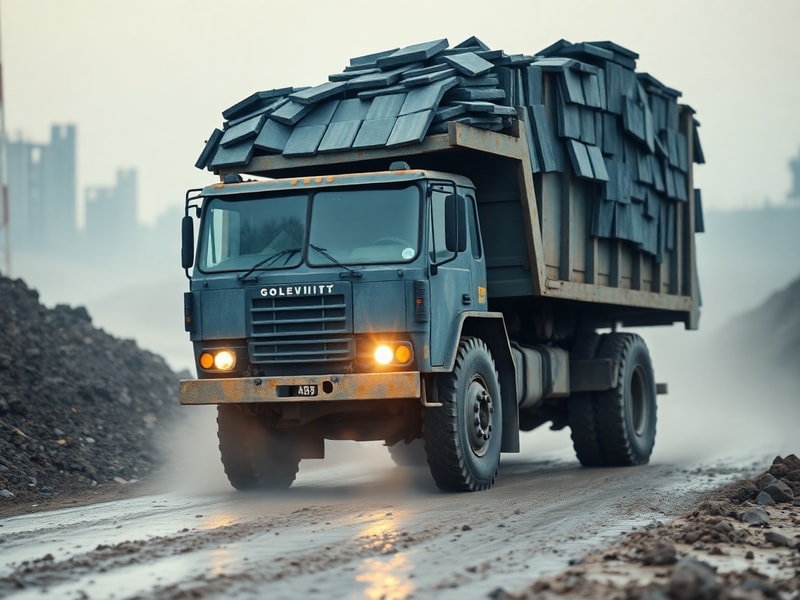
The slate truck is one of the most specialized and visually striking vehicles on today’s roads, yet it remains largely unnoticed by the general public. Unlike standard delivery trucks, slate trucks are engineered for precision, durability, and efficiency in transporting fragile stone materials. Their design reflects a careful balance between function and form—wide, low-loading beds, reinforced structures, and often custom-tailored suspension systems to handle heavy, uneven loads without damage.
These trucks are not mass-produced. Instead, they are custom-built or modified by companies that specialize in stone transport, indicating a niche but essential segment of the logistics industry. Their presence on highways and construction sites signals ongoing infrastructure projects, residential renovations, or commercial developments where natural stone plays a key role. But the slate truck is more than just a delivery vehicle—it’s a symbol of a changing approach to material transport in an era of sustainability and high-value construction.
The Evolution of Slate Transport: From Horse-Drawn Carriages to High-Tech Haulers
Slate has been a preferred roofing and architectural material for centuries, prized for its durability, water resistance, and elegant appearance. Historically, slate was transported by horse-drawn carts, then later by early motorized trucks with flatbeds. However, transporting slate over long distances led to frequent breakage and inefficiencies.
The modern slate truck emerged as a response to these challenges. By the mid-20th century, companies began using lowboy trailers and specialized racks to secure stacks of slate slabs during transit. Today, these trucks often feature hydraulic lifts, adjustable cradles, and air-ride suspension systems to minimize vibrations and shocks. Some models even include GPS tracking and load sensors to monitor the integrity of the cargo in real time.
This evolution reflects broader trends in logistics: the demand for precision, the rise of just-in-time delivery, and the integration of smart technology into industrial processes. Slate trucks are no longer just transporters—they are part of a sophisticated supply chain that values both material integrity and operational efficiency.
Why Slate Trucks Matter in Today’s Construction and Design Landscape
Slate is experiencing a renaissance in modern architecture. Designers and homeowners are increasingly turning to natural stone for its timeless aesthetic and environmental benefits. Unlike synthetic roofing materials, slate is fully recyclable, non-toxic, and can last over a century with minimal maintenance. This longevity aligns with growing consumer interest in sustainable, long-lasting building materials.
But slate’s weight and fragility make transportation a critical concern. A single truckload can carry hundreds of pounds of stone, and improper handling can lead to significant financial loss. This is where slate trucks prove indispensable. Their specialized design ensures that materials arrive intact, reducing waste and project delays.
Moreover, slate trucks support local economies. Many slate quarries operate in rural regions, and the trucks that transport their products often hire locally, contributing to regional employment. As demand for high-end architectural materials grows, so does the need for reliable, specialized transport solutions—making slate trucks a vital link in the construction supply chain.
Consider this: A high-end residential project in the Pacific Northwest might source slate from Vermont, transport it via a slate truck across the country, and install it with precision—all within weeks. Without these specialized vehicles, such projects would face prohibitive costs and logistical hurdles.
Key Features of a Modern Slate Truck
Slate trucks are not off-the-shelf vehicles. They are purpose-built or heavily modified to meet the demands of the stone transport industry. Here are the essential features that define a top-tier slate truck:
- Lowboy or Drop-Deck Trailer: Allows for lower loading heights, reducing the risk of tipping and making it easier to load and unload heavy slabs.
- Air-Ride Suspension: Minimizes vibrations and shocks, protecting fragile stone from cracking or chipping during transit.
- Adjustable Loading Racks or Cradles: Secure stone slabs in place, preventing shifting and damage. Some systems use hydraulic arms or automated clamping.
- Reinforced Frame and Deck: Built to handle heavy loads without flexing or warping, often using high-strength steel or aluminum alloys.
- Side Rails and Wheel Chocks: Prevent slabs from sliding sideways or tipping during sharp turns or sudden stops.
- GPS and Telematics: Enable real-time tracking of the truck and its cargo, providing alerts if the load shifts or if the truck deviates from its route.
- Weather Protection Covers: Some trucks use tarp systems or rigid enclosures to shield slate from rain, snow, or debris during transit.
These features are not optional—they are necessary to ensure that slate arrives at its destination in pristine condition. The cost of a high-end slate truck can exceed $150,000, but for companies that transport thousands of tons of stone annually, the investment pays for itself in reduced breakage and improved customer satisfaction.
Challenges and Future Trends in Slate Transport
Despite their precision engineering, slate trucks face several challenges. Fuel costs, regulatory compliance, and driver shortages impact the industry. Additionally, the environmental footprint of diesel-powered trucks remains a concern, especially as companies seek to reduce their carbon emissions.
One emerging trend is the adoption of alternative fuels. Some slate transport companies are testing electric or hydrogen-powered trucks, particularly for shorter routes. While these vehicles are still in early stages, they represent a potential shift toward greener logistics in the stone industry.
Another challenge is the shortage of skilled drivers familiar with handling heavy, specialized loads. Training programs and partnerships between truck manufacturers and logistics schools are beginning to address this gap, ensuring a pipeline of qualified operators.
Looking ahead, the slate truck industry may also see increased automation. Self-driving or semi-autonomous trucks could reduce labor costs and improve safety, particularly on long-haul routes. However, regulatory and technological hurdles remain significant.
For now, the slate truck remains a symbol of craftsmanship in motion—a vehicle that balances power, precision, and purpose. As architecture continues to embrace natural materials, the role of these specialized haulers will only grow in importance.
Whether you’re a contractor sourcing high-end materials, a designer specifying slate for a project, or simply a curious observer of industrial logistics, the slate truck offers a fascinating glimpse into how even the most niche industries adapt to meet modern demands.