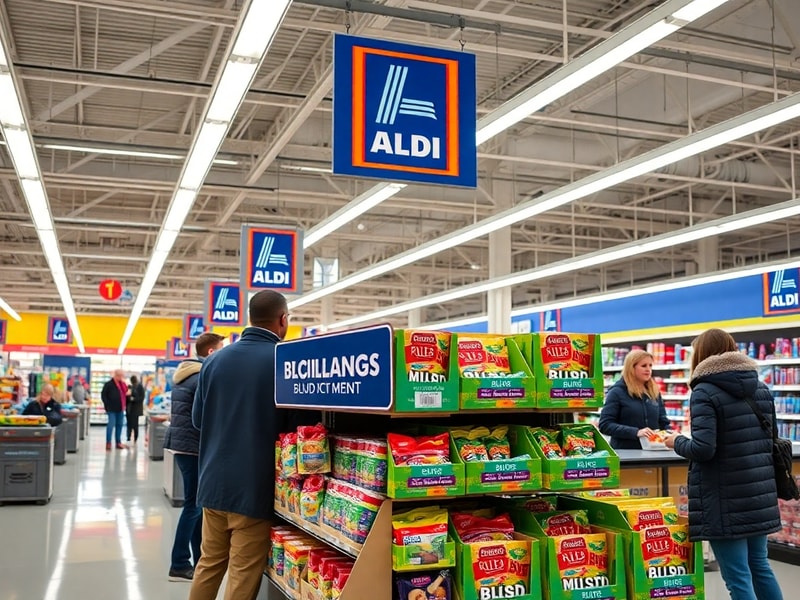
Why Aldi Blind Boxes Are the Unexpected Collectible Hit of 2024
What Are Aldi Blind Boxes—and Why Are They Everywhere?
Grocery stores rarely inspire excitement. Yet, Aldi’s blind box toys have quietly reshaped how families view a weekly shopping trip. These small, sealed packages—often priced under £3—contain surprise mini-figures, animals, or themed collectibles. They’re not just impulse buys; they’re part of a global trend merging retail psychology with childhood nostalgia.
Aldi introduced blind boxes in 2016, initially as a seasonal gimmick tied to holidays and promotions. Today, they’ve become a permanent fixture in the store’s seasonal aisles, with themes ranging from dinosaurs to Disney characters. The appeal is simple: the mystery of the unknown. For children, it’s the thrill of unboxing; for parents, it’s a low-cost entertainment solution on a tight budget. But the phenomenon extends beyond Aldi’s blue and yellow shelves—it reflects a broader cultural shift in how collectibles are marketed and consumed worldwide.
The Psychology Behind the Packaging
Blind boxes exploit a well-documented psychological principle: the “endowment effect.” Once a child owns a toy from a series, they’re more likely to want the rest to complete the set. This isn’t accidental. Brands design blind boxes to encourage multiple purchases, knowing that scarcity and randomness drive demand. A 2022 study by the University of Warwick found that children were 30% more likely to request additional blind boxes after receiving their first, purely due to the emotional investment in the unknown.
The strategy isn’t new. Companies like Funko Pop! and Kinder Surprise have long capitalized on this model. But Aldi’s approach is distinct in its accessibility. Unlike high-end collectibles, Aldi’s boxes are affordable and widely available, democratizing the thrill of the hunt. There’s no elite club or secondary market—just a local store and the chance to find a rare figure next to the milk.
This simplicity is key to its global appeal. In Germany, where Aldi originated, blind boxes align with the country’s tradition of Sammelwut—the “collecting frenzy”—seen in everything from football stickers to cuckoo clock parts. Meanwhile, in the UK, parents praise them as a screen-free alternative to digital entertainment. And in the U.S., where Aldi has rapidly expanded, the boxes tap into the booming “kidult” collector market, where adults buy toys for themselves.
A Global Trend with Local Flavors
Aldi’s blind boxes aren’t a one-size-fits-all product. Local teams tailor themes to regional tastes, blending global franchises with hyper-local twists. For example:
- Australia: Themed around surf lifesaving clubs and native wildlife, like kangaroos and koalas.
- Spain: Tied to festivals like La Tomatina, featuring tomato-shaped figures or paella-themed characters.
- China: Collaborations with anime series like Demon Slayer or My Hero Academia, capitalizing on the country’s massive otaku culture.
This localization isn’t just about sales—it’s about cultural resonance. In Japan, where blind boxes are called gashapon (or capsule toys), the concept dates back to the 1960s. Gashapon machines line Tokyo’s streets, offering everything from capsule-sized Pokémon to miniature ramen bowls. Aldi’s version strips away the machine but keeps the essence: a compact, affordable surprise. The difference? Aldi’s boxes are part of a weekly grocery run, not a dedicated toy hunt.
Yet, the global blind box boom isn’t without controversy. Critics argue it fuels consumerism, particularly around holidays like Christmas, when parents feel pressured to buy multiple boxes to ensure their child gets “the good one.” In 2021, the UK’s Advertising Standards Authority received complaints about Aldi’s Christmas blind box marketing, citing concerns over encouraging excessive spending. Aldi responded by emphasizing the low cost and emphasizing the fun over the collectible aspect.
More Than Just a Toy: The Secondary Market
Despite their low price point, some Aldi blind box figures have developed secondary markets. On eBay, rare figures from discontinued series—like the 2019 “Dinosaur Discovery” set—can fetch £10 or more. This resale culture mirrors the secondary markets seen in trading card games or sneaker drops, where exclusivity drives value. However, Aldi’s official stance is that the boxes are for play, not profit.
This tension between accessibility and collectibility raises questions about the future of blind boxes. As sustainability becomes a priority, some parents are pushing back against plastic waste from single-use packaging. In response, Aldi has experimented with recyclable materials for some box designs, though critics argue it’s not enough. The question remains: Can blind boxes evolve beyond disposable trends?
For now, they’re a staple of modern retail. They’ve turned mundane shopping trips into treasure hunts, bridged generational gaps, and even inspired memes (see: the viral “Aldi toy hacks” where parents repurpose figures into DIY crafts). Whether you love them or loathe the idea of yet another plastic toy cluttering your home, blind boxes are a symptom of a larger cultural moment—one where surprise, affordability, and nostalgia collide.
And if you’re wondering whether your local Aldi still stocks them, the best advice is simple: just check the seasonal aisle. You never know what you might find.