BBC World Cup Knockout Stages: How Broadcasters Shape Football’s Greatest Drama
From Group Stages to Glory: How the BBC World Cup Knockout Stages Reshape Football Narratives
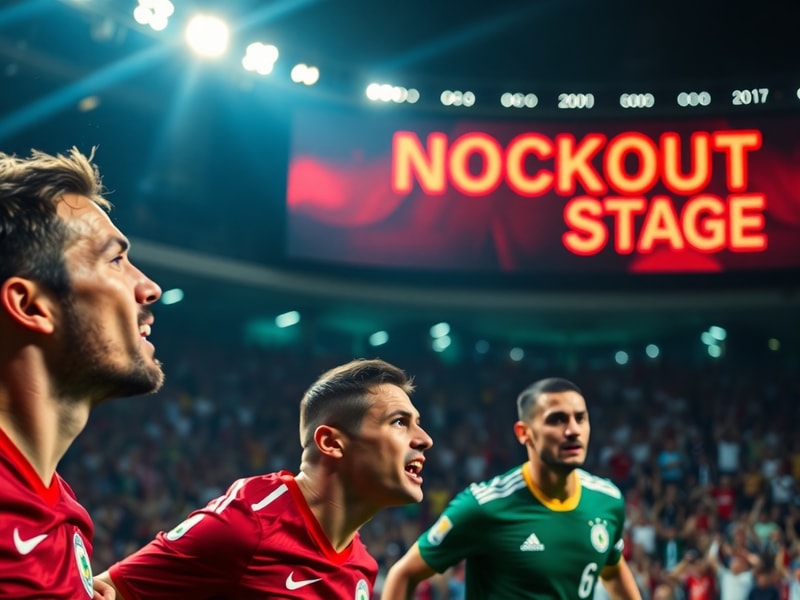
The knockout stages of the FIFA World Cup represent a dramatic shift in the tournament’s storyline. While the group phase often serves as a proving ground for tactics and endurance, the knockout rounds—single-elimination battles decided in 90 minutes or less—transform the competition into a high-stakes spectacle. For broadcasters like the BBC, these moments are not just about delivering live action; they’re about capturing the emotional peaks and valleys that define football’s greatest stage.
The BBC’s coverage of the World Cup knockout stages has long been a cornerstone of its international sports broadcasting. By blending real-time analysis, expert commentary, and in-depth storytelling, the network has consistently delivered a viewing experience that goes beyond mere match reports. This year, as the tournament evolves with new technologies and shifting fan expectations, the BBC’s approach reflects both tradition and innovation in how we consume global football.
How the BBC Transforms Knockout Drama into Must-Watch Television
The knockout rounds demand a different kind of coverage than the group stages. With no room for error, every tackle, pass, and penalty becomes a potential turning point. The BBC capitalizes on this intensity by structuring its broadcasts to emphasize narrative arcs. Commentators don’t just describe the action—they contextualize it within the broader tournament, highlighting player narratives, tactical shifts, and the psychological weight of advancing to the next round.
One of the most compelling aspects of the BBC’s World Cup coverage is its use of storytelling. For instance, during the 2018 tournament, the network aired a special feature on England’s young squad, exploring how their journey through the knockout stages reflected a generational shift in English football. By weaving interviews, archival footage, and on-field analysis, the BBC didn’t just cover the matches—it crafted a narrative that resonated with fans long after the final whistle.
The BBC also leverages its digital platforms to enhance the knockout experience. Live blogs, interactive timelines, and social media integrations allow viewers to engage with the action in real time. This multi-platform approach ensures that fans can follow the drama whether they’re watching on television or scrolling through their phones during a penalty shootout.
For those looking to dive deeper into the tactical and historical context of World Cup knockouts, the BBC’s archives offer a treasure trove of insights. From Maradona’s 1986 quarterfinal masterclass to Germany’s 2014 semifinal comeback against Brazil, the network’s retrospective pieces provide context that enriches the viewing experience.
Key Moments That Defined BBC’s World Cup Knockout Coverage
The knockout stages of the World Cup have produced some of the most unforgettable moments in football history—and the BBC has been there to document them. Below are a few standout examples from recent tournaments:
- 2014: Germany’s 7-1 Thrashing of Brazil – The BBC’s live commentary captured the shock and disbelief as Germany dismantled Brazil in their own backyard. The match remains one of the most talked-about upsets in World Cup history.
- 2018: England’s Penalty Shootout Win Over Colombia – The tension of the shootout was palpable in the BBC’s broadcast, with commentators noting how England’s victory marked a shift in their tournament mentality.
- 2022: Morocco’s Historic Quarterfinal Run – The BBC highlighted Morocco’s journey as a story of underdog triumph, with expert analysis focusing on their tactical discipline and the cultural significance of their achievements.
These moments underscore how the BBC doesn’t just cover football—it frames it within the broader cultural and emotional landscape of the World Cup. By doing so, the network ensures that viewers don’t just see the matches; they feel them.
The Broader Implications of BBC’s World Cup Knockout Coverage
The BBC’s approach to World Cup knockouts extends beyond entertainment. It plays a role in shaping how fans perceive the tournament’s legacy. By emphasizing storytelling and context, the BBC helps audiences understand the significance of key moments—not just as sporting events, but as cultural touchstones.
For example, the BBC’s coverage of underdog stories, such as Iceland’s run to the Round of 16 in 2016 or Saudi Arabia’s 2022 upset over Argentina, highlights how football can transcend borders and unite diverse audiences. These narratives foster a sense of global connection, reminding viewers that the World Cup is more than just a competition; it’s a shared experience.
The BBC’s commitment to accessibility also ensures that these stories reach as wide an audience as possible. By providing multilingual commentary options and digital content tailored to different regions, the network bridges gaps between cultures and languages, making the World Cup a truly global event.
Moreover, the BBC’s coverage influences how future broadcasters approach sports storytelling. As streaming services and social media platforms compete for viewers’ attention, the BBC’s blend of traditional broadcasting and digital innovation sets a benchmark for how to engage audiences in the modern era.
A Look Ahead: What’s Next for BBC’s World Cup Knockout Coverage?
As the World Cup continues to evolve, so too will the BBC’s approach to its knockout stages. With advancements in virtual reality, augmented reality, and AI-driven analytics, the network is poised to deliver even more immersive and personalized viewing experiences. Fans can expect even deeper integration of real-time data, interactive features, and behind-the-scenes content that brings them closer to the action than ever before.
The BBC’s focus on storytelling will also likely expand to include more diverse voices and perspectives. As football becomes increasingly globalized, the narratives surrounding the World Cup will reflect a wider range of experiences, from grassroots initiatives to the impact of climate change on hosting nations.
For now, though, the knockout stages remain the heart of the tournament—a place where legends are made and dreams are shattered in an instant. And as long as the BBC continues to cover them with the same passion and precision, fans around the world will have a front-row seat to the drama.
For more insights into how World Cup knockouts influence fan culture and media coverage, explore our Sports and Analysis sections on Dave’s Locker.