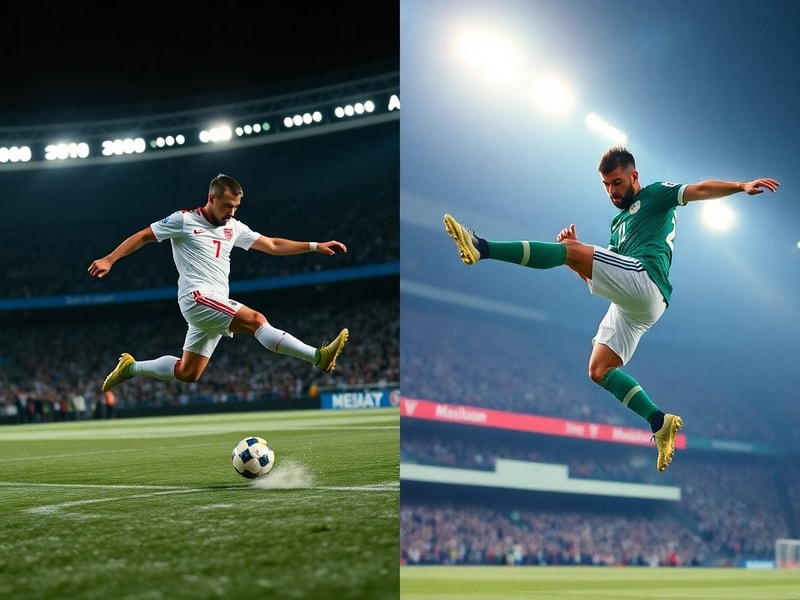
Czechia vs Mexico: A Football Rivalry of Style and Identity
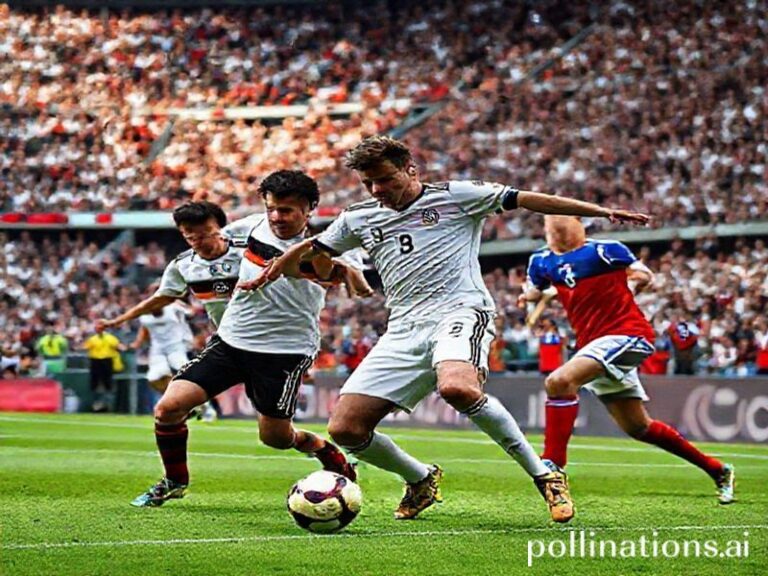
The clash between Czechia and Mexico on the football pitch is more than a match—it’s a collision of styles, histories, and footballing philosophies. While both nations punch above their weight in international football, their approaches couldn’t be more different. Czechia, with its disciplined European tradition, faces off against Mexico, whose vibrant, attacking football reflects its cultural passion for the game. This contrast makes their encounters fascinating to analyze, not just for tactics, but for what each team represents in the global football landscape.
The Roots of Two Footballing Identities
Czechia’s football identity is deeply rooted in Central Europe’s tactical rigor. Emerging from the legacy of Czechoslovakia—home to legends like Pavel Nedvěd and Karel Poborský—Czechia has maintained a reputation for technical precision and defensive solidity. Their football education is built on structured youth academies, a strong domestic league (the Fortuna Liga), and a philosophy that values collective organization over individual flair. This system has produced players who excel in reading the game, pressing intelligently, and executing set pieces with surgical efficiency.
Mexico, on the other hand, embodies a different footballing soul. Its national team, El Tri, is a reflection of the country’s diverse culture—energetic, creative, and emotionally charged. Mexican football thrives on individual brilliance within a fluid, attacking system. Players like Hugo Sánchez and Chicharito became icons not just for their goals, but for their connection to the fans. The Mexican league, Liga MX, is one of the most exciting in the world, known for its high-scoring games and passionate supporters. Here, football is not just a sport; it’s a cultural expression, celebrated in stadiums filled with mariachi music and vibrant tifos.
Style, Tactics, and Matchup Dynamics
When these two teams meet, the tactical battle is often a study in contrasts. Czechia typically sets up in a compact 4-2-3-1 or 3-5-2, prioritizing midfield control and quick transitions. Their wingers track back diligently, and the full-backs provide width only when necessary. The team’s strength lies in its ability to frustrate opponents with a low block, then strike on the counter with clinical finishing. In possession, they move the ball patiently, waiting for the right moment to exploit defensive gaps.
Mexico, meanwhile, plays with a high-intensity 4-3-3 or 3-4-3, pressing opponents high up the pitch. Their wingers hug the touchlines, stretching play and creating space for overlapping full-backs. The midfield trio often includes a deep-lying playmaker (like Edson Álvarez) alongside box-to-box dynamos who support both defense and attack. This system demands relentless energy and technical versatility, qualities that have made Mexico a consistent threat in CONCACAF and a formidable opponent in World Cup qualifiers.
In head-to-head meetings, the matchup often hinges on which team can impose its style first. Czechia’s disciplined structure can stifle Mexico’s creativity, while Mexico’s relentless pressure can overwhelm Czechia’s slower build-up play. The key tactical battle usually unfolds in midfield: Can Mexico’s energy outlast Czechia’s tactical discipline? Or will Czechia’s efficiency in transition catch Mexico off guard?
Cultural Significance Beyond the Pitch
Football is more than a game in both countries—it’s a lens through which national identity is expressed. In Czechia, football is tied to a sense of resilience. The dissolution of Czechoslovakia in 1993 left the national team with a smaller talent pool, but it also forged a new identity. Today, Czechia competes with pride, often punching above its FIFA ranking by relying on tactical intelligence and mental toughness. The national team’s journey mirrors the country’s own post-communist transformation: pragmatic, efficient, and quietly proud.
In Mexico, football is a unifying force. The national team’s matches are major social events, drawing millions to watch in plazas, bars, and homes. The passion is palpable, from the pre-match anthems sung by thousands to the colorful murals of iconic players adorning city walls. Football in Mexico is not just entertainment—it’s a form of collective celebration, a way to express pride in a country known for its warmth, creativity, and resilience in the face of challenges.
Recent Encounters: A Pattern of Tension
In their last five competitive meetings (as of 2024), Czechia and Mexico have split results with tightly contested matches. The most recent fixture, a 2–1 Mexico win in a friendly in 2023, showcased both teams’ strengths: Mexico’s relentless pressing and Czechia’s resilience in defense. What stands out is how evenly matched they are—neither team dominates, but both have moments of brilliance that keep the games unpredictable.
Looking ahead, the next chapter in this rivalry could be written in the World Cup qualifiers or a friendly on neutral ground. Czechia will likely bring its trademark organization, while Mexico will bring its signature attacking verve. The outcome may come down to which team’s philosophy aligns better with the moment—tactical mastery or free-flowing creativity.
Regardless of the result, the Czechia vs Mexico matchup offers something rare in modern football: a clash of cultures, not just tactics. One team represents the disciplined heart of Europe; the other, the vibrant soul of North America. Together, they remind us that football is as much about identity as it is about points on the table.
Key Takeaways from the Czechia vs Mexico Rivalry
- Tactical Contrast: Czechia’s structured, counter-attacking style vs Mexico’s high-energy, possession-based pressing.
- Cultural Identity: Czechia’s resilience reflects its post-communist transformation; Mexico’s passion embodies its national spirit.
- Recent Form: Five meetings in the last decade have produced two wins for Mexico, one for Czechia, and two draws—proving the rivalry’s unpredictability.
- Future Outlook: The next encounter could be decisive in World Cup qualifiers, with both teams vying for a spot in the tournament.
For fans of either team—or those who simply appreciate the beauty of tactical diversity—matches between Czechia and Mexico are a reminder that football is a global language, spoken in many dialects. One side may speak in structured sentences; the other, in poetic improvisation. But both are undeniably compelling to watch.
As the football world continues to evolve, clashes like this one remain essential. They challenge our assumptions about what makes a team successful and remind us that football’s greatest stories are not just about winning, but about the journey—and the cultures—that shape the game.
For more on how these teams are developing their next generation of talent, explore our Sports category, where we track rising stars and tactical trends shaping the future of the game.