South Africa vs South Korea: How Two Nations Define Global Success
The rivalry between South Africa and South Korea extends beyond the soccer field. These two nations, separated by 11,000 kilometers, share little in common geographically, yet they compete across global rankings in sports, technology, and economic development. South Africa, with its post-apartheid transformation, and South Korea, a rapid industrializer, represent contrasting paths to modernity. Their head-to-head encounters in international tournaments, trade negotiations, and cultural diplomacy reveal deeper narratives about identity, ambition, and global integration.
From Apartheid to World Stage: South Africa’s Global Identity
South Africa re-entered the international community in 1994 after decades of isolation under apartheid. Its return was marked by Nelson Mandela’s leadership and the country’s rebranding as the “Rainbow Nation.” This narrative of reconciliation and multiculturalism became central to its global image. Sport played a pivotal role in that transition, most famously during the 1995 Rugby World Cup, where Mandela wore a Springbok jersey to unite a divided nation.
Today, South Africa is a cultural exporter through music, film, and literature. Artists like Miriam Makeba and Trevor Noah have shaped global perceptions of African resilience and humor. Yet, despite these successes, the country faces challenges: inequality remains stark, and economic growth has lagged behind its BRICS peers. South Africa’s global influence is strong in soft power but uneven in hard metrics like GDP growth or innovation rankings.
South Korea’s Rise: From War-Torn to Tech Titan
South Korea’s transformation from a war-ravaged nation in 1953 to a global leader in technology and pop culture is one of the 20th century’s most remarkable stories. The country’s chaebol system—led by conglomerates like Samsung, Hyundai, and LG—fueled rapid industrialization. Today, South Korea ranks among the world’s top producers of semiconductors, smartphones, and automobiles.
Culturally, South Korea has become a global force through K-pop, K-dramas, and cinema. Groups like BTS have broken records on Billboard charts, while films such as Parasite have won international acclaim. This soft power has turned Seoul into a cultural destination, drawing millions of tourists and students annually. Unlike South Africa, South Korea’s rise is built on technological prowess and export-driven growth, creating a stark contrast in national branding.
Comparing Global Rankings
When placed side by side in international indices, the differences between the two nations become clear:
- Global Innovation Index 2023: South Korea ranked 6th, South Africa 66th
- GDP per capita (nominal, 2023): South Korea $34,800, South Africa $6,190
- Global Peace Index 2023: South Africa ranked 126th, South Korea 43rd
- Tourism arrivals (pre-pandemic): South Korea 17 million, South Africa 10 million
These figures highlight South Korea’s strength in innovation and stability, while South Africa excels in cultural influence and natural tourism. The two nations occupy different lanes on the global stage, yet their competition is increasingly visible in international forums.
Sports Rivalry: Soccer, Rugby, and Beyond
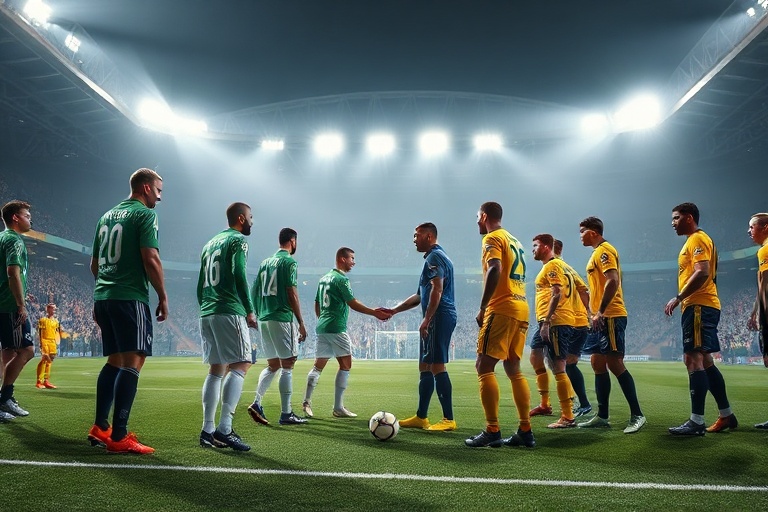
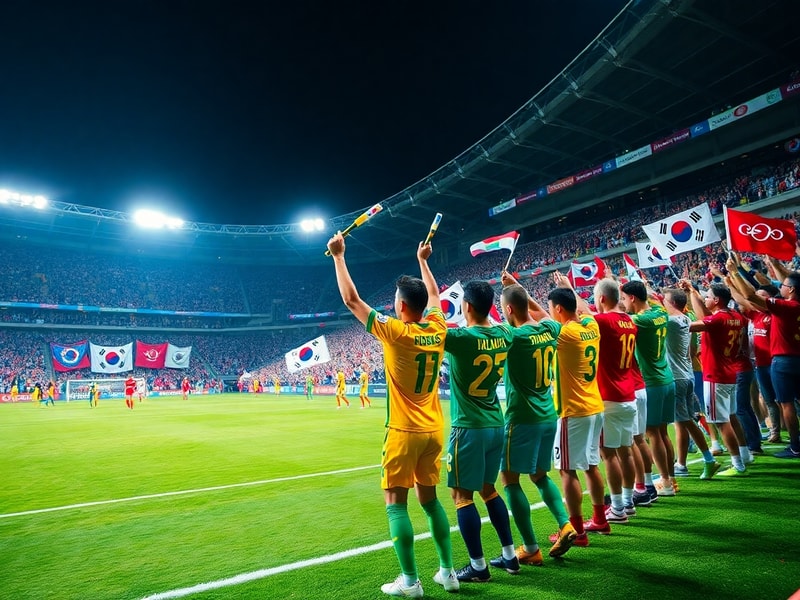
Sport has been a recurring arena for South Africa and South Korea’s rivalry. Their most notable soccer encounter came during the 2002 FIFA World Cup, co-hosted by South Korea and Japan. In a tense Round of 16 match, South Korea defeated South Africa 2–0, a result that resonated deeply in both countries. For South Korea, it was a breakthrough moment in Asian football. For South Africa, it was a disappointment that underscored the gap between continental success and global competition.
In rugby, the two nations have rarely met, but their paths often cross in international rankings. South Africa, a three-time Rugby World Cup winner, is a global powerhouse, while South Korea is still developing the sport. In cricket, South Africa competes at the highest level, while South Korea has only recently begun to grow the game. These differences reflect broader trends: South Africa leverages its colonial sporting legacy, while South Korea builds new sporting identities through investment and innovation.
A Cultural Exchange: From Mandela to BTS
While South Africa and South Korea rarely interact in traditional diplomacy, their cultural exchange is growing. South African DJs like Black Coffee have collaborated with K-pop artists, blending Afro-house rhythms with Korean melodies. Universities in both countries are establishing exchange programs, particularly in technology, business, and African studies.
Tourism is another bridge. South Korean travelers are increasingly visiting South Africa for safaris and adventure tourism, drawn by the country’s wildlife and landscapes. Conversely, South Africans travel to Seoul for its modernity and pop culture. Yet, despite these connections, trade remains limited. South Africa exports minerals and wine to South Korea, while South Korea exports electronics and automobiles to South Africa. The economic relationship is functional but not transformative.
The two nations also share challenges. Both face high youth unemployment and social inequality. South Africa’s Gini coefficient is among the world’s highest, while South Korea struggles with record youth joblessness and a rapidly aging population. These shared struggles suggest that despite their differences, both nations are navigating similar pressures of modernity.
Conclusion: Two Paths, One Future
South Africa and South Korea are not rivals in the traditional sense. They operate in different economies, cultures, and geopolitical spheres. Yet, their global competition tells a broader story about development, identity, and ambition. South Africa offers a model of post-colonial resilience and multiculturalism, while South Korea represents rapid modernization through technology and pop culture.
What unites them is their role as emerging global players. Both have transformed from international pariahs—South Africa through apartheid and South Korea through war—into respected members of the global community. Their journeys reflect the power of soft power, the importance of national branding, and the enduring role of sport in shaping identity.
As the world becomes more interconnected, the exchanges between South Africa and South Korea will likely grow. Whether through music, technology, or tourism, these two nations are slowly writing a new chapter in their shared story—one defined not by rivalry, but by mutual discovery.