As temperatures rise across Europe and North America, portable air conditioning units have shifted from luxury appliances to near-necessities in urban apartments, small offices, and holiday rental properties. Among the growing field of budget-friendly cooling solutions, the Lidl portable air conditioning unit has quietly carved out a niche in the competitive cooling market, thanks to its accessible pricing and compact design. While often overshadowed by brands like De’Longhi or Honeywell, the Lidl unit offers a compelling value proposition for cost-conscious consumers seeking relief from summer heat without breaking the bank.
Lidl, the German discount supermarket giant, launched its portable air conditioning range as part of a broader expansion into home appliances. The move reflects a strategic pivot from groceries to a fully integrated retail experience, mirroring similar initiatives by competitors like Aldi and Carrefour. In markets such as Germany, France, and the UK, Lidl has positioned itself not just as a place to buy milk and bread, but as a destination for home comforts—including cooling technology. This expansion is particularly timely in regions experiencing more frequent heatwaves, where air conditioning is no longer a seasonal indulgence but a health consideration for vulnerable populations.
But what exactly makes the Lidl portable air conditioning unit stand out—and where does it fall short? We take a closer look at its performance, design, and market positioning, and ask whether it’s a smart buy or a false economy in a global cooling market dominated by established players.
The Lidl Portable AC: Key Features and Specifications
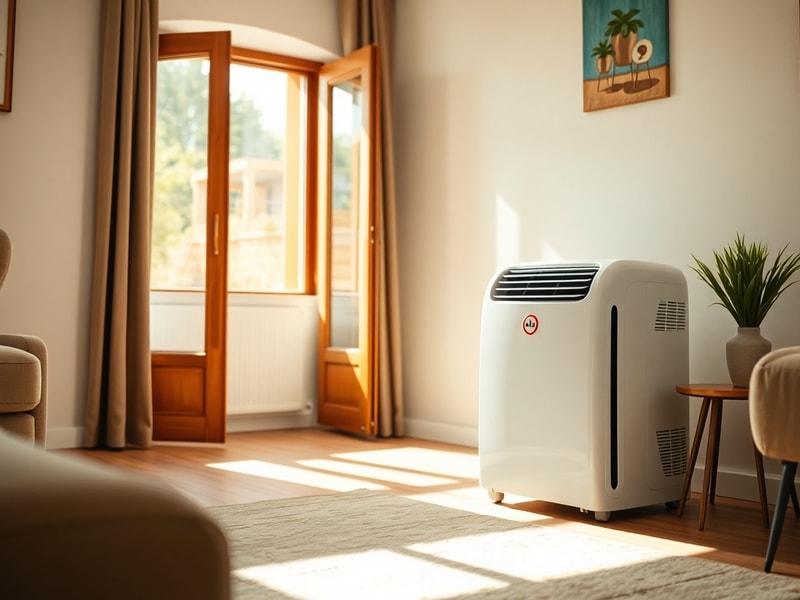
The Lidl portable air conditioning unit typically features a cooling capacity of around 8,000–10,000 BTU, suitable for rooms up to 25 square meters. It operates as a single-duct system, meaning it expels hot air through a flexible hose vented through a window or door. While this design is common in portable units, it also introduces efficiency losses—estimates suggest up to 30% of cooling power can be lost through heat re-entry and ducting inefficiencies.
Key specifications often include:
- Three cooling modes: cool, fan, and dehumidify
- Remote control with timer function (up to 24 hours)
- Adjustable thermostat and oscillation for even air distribution
- Built-in condensation tank (capacity varies by model)
- Noise levels typically between 50–60 dB (comparable to a box fan)
- Energy efficiency rating of A or B (varies by region and model year)
Notably, the Lidl unit is often bundled with a window installation kit, which includes a sliding panel or adjustable flap to seal the vent hose. While this improves performance compared to ad-hoc setups, it still requires manual adjustment and can be cumbersome to install—especially in rented properties where tenants are discouraged from modifying windows. This limitation highlights a broader challenge in the portable AC market: convenience often conflicts with efficiency.
In terms of design, the Lidl unit follows the familiar boxy aesthetic of budget portable ACs, with a plastic exterior and minimalist control panel. It lacks the sleek, minimalist appeal of premium models like Midea or LG, but its utilitarian approach aligns with Lidl’s brand identity: functional, affordable, and unpretentious. The compact footprint makes it ideal for studio apartments, student dorms, or temporary living spaces—a growing demographic in cities like Berlin, Barcelona, and London.
Performance in Real-World Conditions: What Users Say
User reviews of the Lidl portable air conditioning unit are mixed, reflecting the inherent trade-offs of budget cooling technology. On Lidl’s own UK website and third-party platforms, many customers praise the unit for delivering noticeable temperature drops in small to medium rooms. One reviewer in Manchester noted that the unit “kept the bedroom 5°C cooler than outside during the July heatwave,” a significant comfort improvement in a poorly insulated Victorian terrace.
However, common criticisms include:
- Limited cooling range—struggles in larger rooms or open-plan spaces
- Noise levels noticeable at night, especially in “cool” mode
- Condensation management requires frequent emptying, particularly in humid climates
- Inconsistent temperature control—some users report the unit overshoots or undershoots the target temperature
In warmer regions such as southern Spain or Italy, where temperatures regularly exceed 35°C, the Lidl unit’s performance drops further. Portable ACs, by design, are not built for extreme heat—their single-duct systems rely on expelling hot air, which becomes less effective as ambient temperatures rise. This limitation is not unique to Lidl but is a fundamental constraint of the portable AC category, one that has fueled interest in more efficient alternatives like split systems or evaporative coolers.
Interestingly, Lidl’s customer service and warranty policies have also come under scrutiny. While the initial purchase price is low (often under €300), some users report difficulty obtaining replacement parts or securing repairs after the one-year warranty expires. This reflects a broader trend in discount retail: low upfront costs can mask higher long-term expenses when reliability is compromised. For consumers considering the Lidl unit, it’s worth weighing the potential need for early replacement against the initial savings.
Global Cooling Demand and the Rise of Discount Tech
The popularity of portable air conditioners—including the Lidl model—isn’t just about comfort; it’s a response to global warming, urbanization, and the changing nature of work. Cities like Tokyo, Mumbai, and New York are experiencing longer, hotter summers, while air conditioning infrastructure in older buildings often lags behind modern standards. In many European cities, air conditioning penetration remains below 50%, compared to over 90% in the U.S. and Japan. This gap creates a lucrative market for affordable, flexible cooling solutions.
Lidl’s entry into the cooling market reflects a broader shift among discount retailers into higher-margin home appliances. Aldi and Lidl have both expanded their electronics and home goods divisions, leveraging their supply chain efficiencies to undercut traditional retailers. In Germany, for example, Lidl’s own-brand appliances now account for over 15% of its non-food sales—a testament to the success of its diversification strategy.
Culturally, the rise of portable ACs also speaks to changing attitudes toward home comfort. In countries with strong rental markets—such as Germany, where nearly 50% of residents rent—permanent air conditioning installations are often prohibited by landlords. Portable units offer a compromise: tenants can cool their space without altering the property, while landlords avoid the cost and complexity of fixed systems. This flexibility has made portable ACs a staple in rental properties across Europe, particularly in cities with high housing demand and transient populations.
Yet the environmental implications of this trend cannot be ignored. Portable air conditioners are energy-intensive devices, with some models consuming as much electricity as a refrigerator. In regions where the power grid relies on fossil fuels, the carbon footprint of portable ACs is substantial. The Lidl unit, while energy-efficient by budget standards, still contributes to peak summer electricity demand—a challenge for grids already strained by heatwaves and droughts.
As climate policies tighten, there’s growing interest in alternative cooling technologies, such as evaporative coolers (which use water) or heat pump systems (which also provide heating). However, these options often come with higher upfront costs, making them inaccessible to budget-conscious consumers. For now, portable ACs like Lidl’s remain a practical stopgap, even as the world grapples with the long-term consequences of rising temperatures.
Is the Lidl Portable AC Worth Buying?
The answer depends largely on your needs, budget, and expectations. If you live in a small, well-insulated space and need temporary relief from moderate heat, the Lidl portable air conditioning unit offers good value for money. Its price point is significantly lower than most branded alternatives, and it delivers measurable cooling in the right conditions. For students, renters, or anyone seeking a low-commitment solution to summer heat, it can be a smart choice—provided you’re prepared to manage its limitations.
However, if you’re looking for a unit to cool a large room, handle extreme heat, or operate quietly during sleep, you may want to explore higher-end models or alternative cooling methods. The single-duct design and plastic construction are inherent weaknesses in portable ACs, and these issues are only amplified in the Lidl unit due to its budget positioning. Consider whether the savings upfront outweigh the potential costs of noise, inefficiency, and short lifespan.
For those interested in exploring other cooling options, tech-focused retailers often carry a wider range of portable and fixed systems, including models with dual-hose designs (which reduce inefficiency) and smart features like app-based control. Alternatively, if you’re renovating or renting long-term, investing in ceiling fans or upgraded insulation may offer better long-term value.
Ultimately, the Lidl portable air conditioning unit is a product of its time: a response to rising temperatures, housing constraints, and the relentless pursuit of affordability. It’s not the most powerful or elegant solution on the market, but it fills a gap for millions of consumers who need cooling without complexity. In a world where climate change is making summers hotter and energy costs unpredictable, sometimes the simplest tools are the most necessary.