The blockbuster trade that sent Paul George from Oklahoma City to the Los Angeles Clippers in July 2019 remains one of the most scrutinized roster overhauls in NBA history. More than just a star swap, the deal reshaped the league’s power balance, altered franchise trajectories, and sparked a new era of superteam dynamics. Nearly five years later, the trade’s ripple effects continue to influence roster construction, player movement, and even franchise philosophies.
The trade that changed the NBA
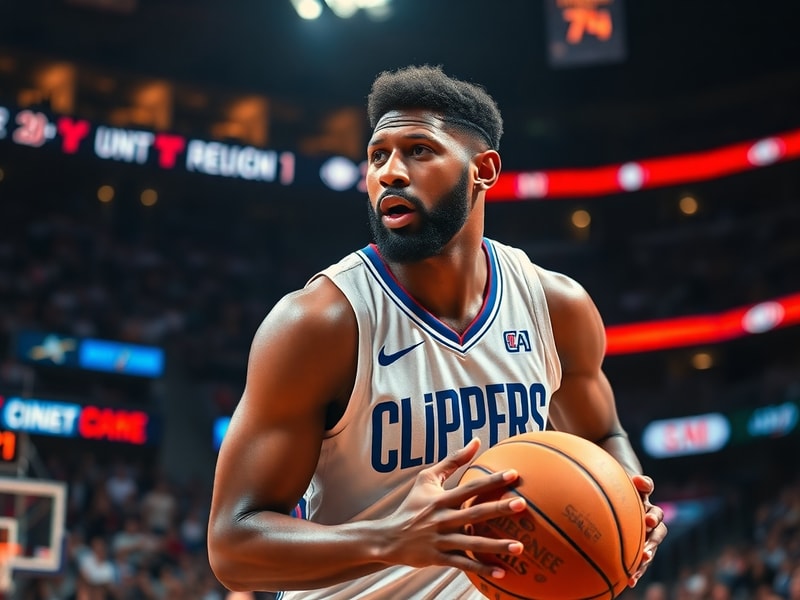
On July 10, 2019, the Oklahoma City Thunder sent Paul George to the Los Angeles Clippers in exchange for Danilo Gallinari, Shai Gilgeous-Alexander, a record haul of five first-round draft picks, and two pick swaps. At the time, George was a two-time All-NBA forward and elite two-way wing. The Thunder, meanwhile, were in full rebuild mode after the departure of Russell Westbrook. The move signaled Oklahoma City’s pivot toward asset accumulation and youth development—a strategy that would later deliver Chet Holmgren and Jalen Williams.
The Clippers, fresh off a disappointing playoff exit, saw George as the final piece to build a championship contender around Kawhi Leonard. Los Angeles had missed the Finals in back-to-back seasons, and the acquisition of George—combined with the signing of Kawhi—created a pairing of elite wings with All-NBA upside. The trade also reunited George with Doc Rivers, his former coach in Indiana, who had just taken the Clippers job.
For Thunder fans, the deal became a symbol of organizational patience. General manager Sam Presti treated the trade not as a loss but as a calculated reset. By swapping a star for multiple draft assets and young talent, Oklahoma City positioned itself to reload rather than rebuild from scratch. The strategy paid immediate dividends, culminating in multiple playoff berths and a Western Conference Finals appearance in 2023.
Why the trade still matters today
Five years later, the George trade stands as a blueprint for how to handle the departure of a superstar. It demonstrated that a franchise can move on from a marquee player without collapsing, provided it secures the right combination of assets and culture. The Thunder’s approach—prioritizing draft capital and developmental patience—has since been studied by teams like the Detroit Pistons and Orlando Magic as they navigate similar transitions.
For the Clippers, however, the trade’s legacy is more complicated. Despite the star power, the duo of Leonard and George has been plagued by injuries, locker-room chemistry questions, and playoff underachievement. In five seasons together, the Clippers have reached the Western Conference Finals just once, bowing out in heartbreaking fashion in 2021 after squandering a 3–1 series lead against Phoenix. The narrative around the Clippers shifted from championship contender to “what if?” franchise, with questions lingering about whether the trade was worth the risk.
George himself has thrived individually, making multiple All-NBA teams and serving as a cornerstone of the Clippers’ identity. But the team’s inability to translate regular-season dominance into postseason success has left a stain on an otherwise successful roster construction. The trade’s mixed outcomes underscore the unpredictability of NBA player movement, where even well-considered deals can yield unintended consequences.
Broader implications for the NBA
The George trade accelerated several trends that have defined the modern NBA:
- Superteam culture: The deal normalized the idea that two stars could team up via trade or free agency, setting a precedent for the Brooklyn Nets’ pairing of Durant and Irving in 2019 and the Lakers’ acquisition of Anthony Davis in 2019.
- Asset inflation: The Thunder received an unprecedented five first-round picks, signaling a market shift where stars demand maximum return in exchange for their services.
- Injury risk awareness: The Clippers’ struggles highlighted the fragility of high-mileage stars, prompting teams to factor health history more heavily into major trades.
- Coaching influence: The reunion of George and Doc Rivers demonstrated how coaching relationships can influence player movement and franchise decisions.
Perhaps most importantly, the trade reinforced the idea that player empowerment drives roster decisions. George had the leverage to force a move, and the Thunder, recognizing the limits of their competitive window, chose to maximize value rather than cling to loyalty. This shift has redefined player-team relationships, making long-term loyalty the exception rather than the norm.
Lessons learned and future outlook
The Paul George trade offers several key takeaways for teams navigating superstar departures or acquisitions:
- Value flexibility over sentiment: The Thunder could have retained George and remained competitive, but they chose asset accumulation and long-term stability. That decision has paid off in draft capital and young talent.
- Cultural fit matters more than star power: The Clippers’ struggles show that assembling stars isn’t enough. Chemistry, coaching, and system alignment are just as critical.
- Injury risk must be priced in: Teams are now more cautious about trading for or signing players with extensive mileage, as the Clippers’ playoff failures illustrate the cost of relying on aging stars.
- Draft capital is currency: The Thunder’s haul of picks transformed their roster and farm system, proving that draft assets can be as valuable as current players.
Looking ahead, the NBA’s trade market will likely continue evolving in this direction. With stars like Damian Lillard and Karl-Anthony Towns potentially on the move, franchises will have to weigh the same trade-offs that defined the George deal: Do we prioritize winning now or build for the future? Is a superteam worth the risk? And can a franchise survive—and even thrive—after a superstar’s departure?
The Paul George trade didn’t just change the Clippers and Thunder. It altered the league’s DNA. Its lessons will shape roster decisions for years to come, proving that in the NBA, the right move isn’t always the obvious one.