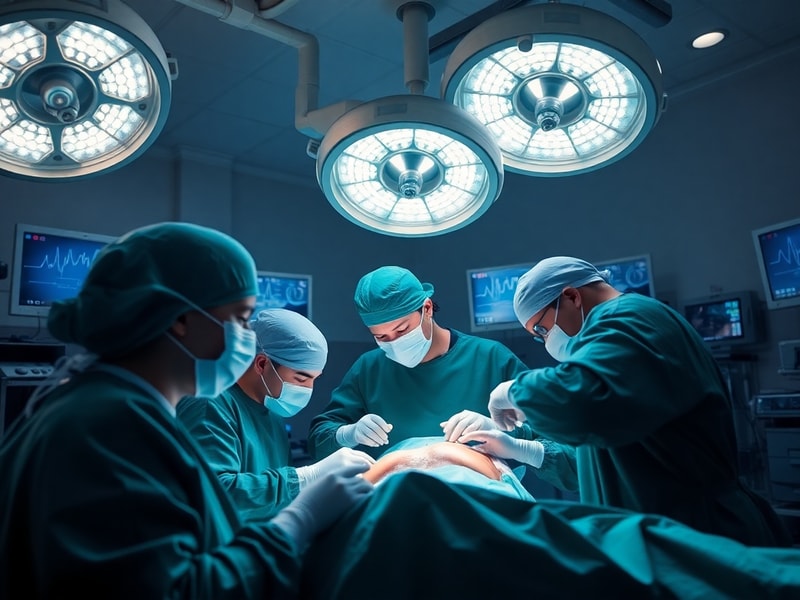
Surgery remains one of humanity’s most transformative medical procedures. From ancient bone-setting to robotic-assisted operations, the evolution of surgical techniques reflects broader shifts in science, culture, and global health systems. Today, more than 230 million major surgeries are performed annually worldwide, a figure that continues to rise as access to care expands and technology advances.
The Ancient Roots of Surgical Practice
The origins of surgery trace back thousands of years, long before modern anesthesia or sterile techniques. In ancient Egypt around 1600 BCE, the Edwin Smith Papyrus documented surgical procedures, including wound care and suturing. Surgeons in India, under the guidance of Sushruta in the 6th century BCE, pioneered rhinoplasty and cataract surgery, using tools made from natural materials. Meanwhile, traditional Chinese medicine integrated surgery with herbal remedies, acupuncture, and energy-based healing philosophies.
These early practices were deeply tied to cultural beliefs. In many societies, surgery was seen as a sacred act, performed by healers who were often spiritual leaders. The Hippocratic Oath, written in ancient Greece, emphasized ethical standards for physicians, laying the foundation for professional medical conduct that persists today. While early surgeries were often crude by modern standards, they demonstrated an enduring human impulse: to intervene in suffering with purposeful action.
Modern Surgery: Technology and Global Disparities
Today’s operating rooms are unrecognizable compared to those of a century ago. Laparoscopic surgery, introduced in the 1980s, allows procedures through tiny incisions, reducing recovery times. Robotic systems like the da Vinci Surgical System provide precision in cardiac and prostate surgeries, enabling surgeons to perform complex operations with enhanced control. Meanwhile, 3D printing is revolutionizing reconstructive surgery, allowing custom implants and prosthetics tailored to individual anatomy.
Yet access to advanced surgical care remains uneven. High-income countries perform over 10,000 surgeries per 100,000 people annually, while low-income nations average fewer than 500. In sub-Saharan Africa, for example, many rural communities lack access to basic surgical services, leading to preventable deaths from conditions like obstructed labor or traumatic injuries. Global initiatives, such as the World Health Organization’s Safe Surgery Saves Lives program, aim to close this gap by standardizing safety protocols and training local providers.
Surgery also plays a critical role in public health crises. During the COVID-19 pandemic, elective surgeries were postponed worldwide to prioritize hospital capacity. This disruption highlighted the delicate balance between urgent and non-urgent care, forcing health systems to adapt quickly. In some countries, telemedicine expanded to include surgical consultations, allowing patients in remote areas to receive expert advice without travel.
Cultural Attitudes Toward Surgery
Cultural perceptions of surgery vary widely. In Western societies, cosmetic surgery has become mainstream, with procedures like rhinoplasty or breast augmentation often normalized as personal enhancement. In South Korea, plastic surgery is so prevalent that it has shaped youth culture, with many young adults considering procedures like double eyelid surgery as a rite of passage. Conversely, in some conservative communities, surgery may be viewed with skepticism, particularly when it involves gender transition or mental health interventions.
Religious beliefs also influence surgical decisions. Jehovah’s Witnesses, for instance, often refuse blood transfusions during surgery, prompting hospitals to develop bloodless surgical techniques. In Hindu and Buddhist traditions, organ donation is sometimes discouraged due to beliefs about reincarnation, impacting the availability of transplant organs. These cultural nuances highlight how surgery is not merely a medical act but a deeply human one, intertwined with identity, faith, and societal values.
In Japan, the cultural emphasis on natural beauty has led to a preference for minimally invasive procedures, such as thread lifts or laser treatments, over more dramatic changes. Meanwhile, in Brazil, plastic surgery is celebrated as a symbol of upward mobility, with many clinics offering installment plans to make procedures accessible to lower-income groups. These examples underscore how surgery reflects broader social aspirations and economic realities.
The Future: From AI to Personalized Medicine
The next frontier in surgery lies in artificial intelligence and personalized medicine. AI-powered tools can now analyze patient data to predict surgical outcomes, helping surgeons tailor procedures to individual risk profiles. Machine learning models are being trained to recognize anatomical structures in real time, potentially reducing errors during operations. In 2023, researchers at Johns Hopkins University demonstrated a robot capable of performing soft-tissue surgery autonomously, a milestone that could democratize access to high-quality care in underserved regions.
Another emerging trend is the integration of augmented reality (AR) in surgical training. Medical students can now use AR headsets to practice procedures on virtual patients, gaining experience without risk to real individuals. This technology is particularly valuable in fields like neurosurgery, where precision is paramount.
Personalized medicine is also reshaping surgical approaches. Genetic testing can identify patients at higher risk for complications, allowing surgeons to adjust techniques accordingly. In breast cancer treatment, for example, oncoplastic surgery combines tumor removal with reconstructive techniques tailored to each patient’s anatomy and preferences. As DNA sequencing becomes more affordable, this trend is expected to grow, making surgery safer and more effective for diverse populations.
Yet ethical concerns accompany these advancements. The use of AI in surgery raises questions about accountability—who is responsible if a machine-assisted procedure goes wrong? The commercialization of personalized medicine also risks widening disparities, as cutting-edge treatments may remain out of reach for lower-income patients. These challenges demand thoughtful regulation and inclusive policies to ensure progress benefits everyone.
As surgery continues to evolve, it remains a testament to human ingenuity and resilience. From ancient healers to AI-driven operating rooms, the act of cutting into the body to heal it is both ancient and profoundly modern. In an era of rapid technological change, the core mission of surgery—relieving suffering and restoring health—remains unchanged. What has shifted is our ability to do so with greater precision, compassion, and global reach.