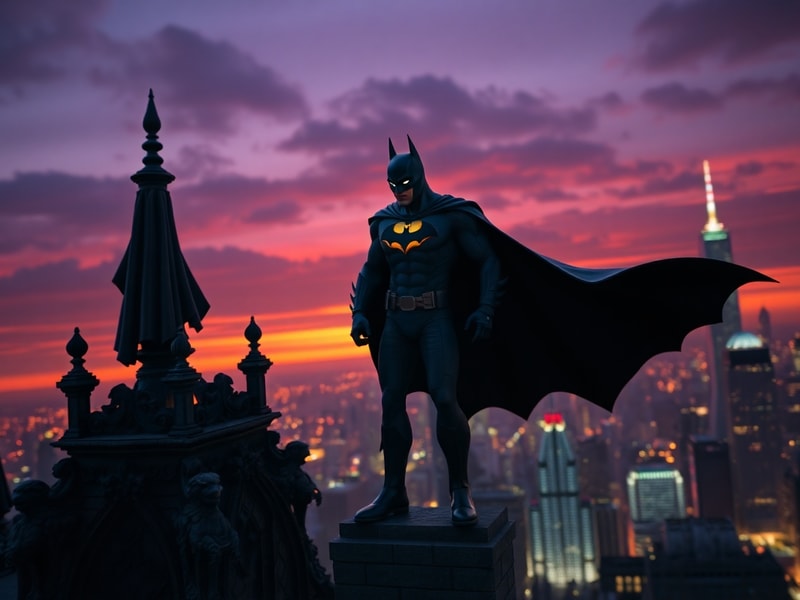
The animated series Batman: The Animated Series (BTAS) remains the gold standard for superhero storytelling, even decades after its original run. Premiering in 1992, the show redefined how Batman could be portrayed on screen—balancing psychological depth, noir aesthetics, and serialized storytelling in a way few adaptations have matched. Created by Bruce Timm, Paul Dini, and Alan Burnett, BTAS wasn’t just another cartoon; it was a masterclass in tone, character development, and narrative ambition.
The evolution of Batman’s animated medium
Before BTAS, superhero cartoons were often limited to campy, episodic adventures aimed at younger audiences. Shows like Super Friends and Batman: The Animated Series’s immediate predecessor, Batman: The Animated Series (1968), leaned into broad humor and simplistic storytelling. BTAS shattered that mold by drawing inspiration from classic detective noir, European animation, and the darker comic book runs of the time, particularly Frank Miller’s The Dark Knight Returns and Batman: Year One.
The series’ visual style was a deliberate departure from the bright, primary colors of 1980s cartoons. Instead, it embraced a gothic, art deco-inspired aesthetic with sharp angles, deep shadows, and moody lighting. This artistic choice wasn’t just for flair—it reinforced the show’s themes of duality and moral ambiguity. The animation also benefited from the then-revolutionary use of digital ink-and-paint processes, giving the series a polished, cinematic look that held up over time.
BTAS didn’t just change how Batman looked; it changed how superhero stories could be told. The show’s success paved the way for later animated series like Justice League and Batman Beyond, proving that superhero narratives could be sophisticated, serialized, and emotionally resonant. It also set a precedent for live-action adaptations, influencing films like Christopher Nolan’s The Dark Knight Trilogy and Batman v Superman: Dawn of Justice.
Iconic villains and storytelling depth
One of BTAS’s greatest strengths was its roster of villains, many of whom became instant classics. Unlike previous adaptations that often relied on recycled tropes, BTAS gave its antagonists psychological complexity and tragic backstories. Characters like the Joker, Mr. Freeze, and Two-Face weren’t just one-dimensional threats—they were fully realized figures whose motivations were explored with nuance.
The Joker, voiced by Mark Hamill, remains one of the most iconic portrayals of the character in any medium. Hamill’s performance balanced manic energy with unsettling charm, making the Joker a terrifying yet oddly sympathetic figure. Episodes like Joker’s Favor and Heart of Ice (which introduced Mr. Freeze’s tragic backstory) demonstrated the show’s willingness to delve into character-driven drama, rather than relying solely on action or spectacle.
The series also excelled in serialized storytelling. While most cartoons at the time were episodic, BTAS frequently wove ongoing arcs and character development into its narrative. For example, the two-part episode Robin’s Reckoning explored Jason Todd’s origin and his complicated relationship with Batman, adding depth to both characters. This approach elevated BTAS above its contemporaries and proved that animated series could handle long-form storytelling.
Another standout aspect was the show’s use of allegory. Episodes like The Demon’s Quest (which introduced Ra’s al Ghul) and Perchance to Dream (a psychological thriller involving the Mad Hatter) tackled themes of immortality, identity, and the cost of justice. These stories weren’t just entertaining—they were thought-provoking, appealing to both younger viewers and older fans who appreciated the show’s sophistication.
Legacy and influence on modern Batman media
BTAS’s impact can be seen across every corner of Batman’s media landscape. Its success led to the DC Animated Universe (DCAU), a shared continuity that included Superman: The Animated Series, Justice League, and Batman Beyond. This interconnected universe allowed for deeper world-building and character crossovers, something rare in animated television at the time.
The show’s influence extends beyond animation. Christopher Nolan cited BTAS as a major inspiration for his Dark Knight Trilogy, particularly in the portrayal of Batman’s detective skills and the Joker’s psychological warfare. Even Zack Snyder’s Batman v Superman borrowed heavily from BTAS’s aesthetic, with its gothic visuals and morally complex storytelling. The series also set a precedent for video game adaptations, inspiring games like Batman: Arkham Asylum and Batman: Telltale Series, which prioritized narrative depth and character exploration.
BTAS also played a crucial role in shaping Batman’s modern mythos. Characters like Harley Quinn, originally created for BTAS, were later incorporated into the comics and live-action adaptations. The show’s portrayal of Batman as a detective rather than just a brawler influenced how the character has been written in recent years, from Batman: Ego to Batman: White Knight.
In the world of animation, BTAS remains a benchmark for quality. Its success proved that superhero stories could be intelligent, emotionally resonant, and visually stunning—qualities that are now expected in high-end animated productions. Shows like Young Justice and Harley Quinn owe a debt to BTAS’s legacy, even if they take its ideas in new directions.
Why BTAS still matters today
More than 30 years after its debut, Batman: The Animated Series continues to resonate with new generations of fans. Its themes of justice, morality, and the cost of vengeance are timeless, and its storytelling remains sharp and relevant. The show’s ability to balance action, drama, and humor without sacrificing depth is a testament to its enduring appeal.
For longtime fans, BTAS is a nostalgic touchstone—a reminder of a time when superhero stories could be both fun and profound. For newer viewers, it’s an introduction to a version of Batman that feels fresh and innovative, even by today’s standards. The series’ influence is everywhere, from the comics to the movies to the games, proving that great storytelling never goes out of style.
If you’re looking to explore BTAS for the first time, start with the essential episodes: On Leather Wings (the first appearance of the Man-Bat), Feat of Clay (which introduces Clayface), Beware the Gray Ghost (a meta commentary on Batman’s legacy), and the two-part Batman: Mask of the Phantasm movie. These stories showcase the show’s range—from detective noir to psychological horror to heartfelt character drama.
The animated series also serves as a gateway to deeper Batman lore. If you’re inspired by BTAS’s take on Gotham’s villains, check out Dave’s Locker’s comics section for recommendations on where to go next. Whether you’re a casual viewer or a die-hard fan, BTAS offers something for everyone—a thrilling, emotional, and visually stunning journey into the heart of Gotham.