2026 World Cup Bracket Explained: Format, Teams & Predictions
How the 2026 World Cup Bracket Will Reshape Global Soccer
The 2026 FIFA World Cup promises to be unlike any tournament before it. Not only will it expand to 48 teams, but the bracket itself has been redesigned to create a more inclusive and unpredictable spectacle. The expansion means more nations will have a realistic shot at glory, and the new format ensures that underdogs can rise while traditional powers face stiffer challenges.
Historically, World Cup brackets have favored established football nations. The knockout phase often boiled down to clashes between Europe and South America, with Africa and Asia struggling to break through. This time, the 2026 edition introduces a 12-group, 48-team structure, followed by a 32-team knockout round. The shift isn’t just numerical—it’s cultural. More nations from different continents now have a pathway to the later stages, which could lead to surprising matchups and fresh narratives.
The new format also means fans will experience a longer, more drawn-out tournament. While some purists argue that the World Cup’s essence lies in its intensity and brevity, others see this as an opportunity to celebrate global diversity in football. The bracket’s complexity could make it harder to predict, but that’s part of the excitement.
The Structure: What Changes and Why It Matters
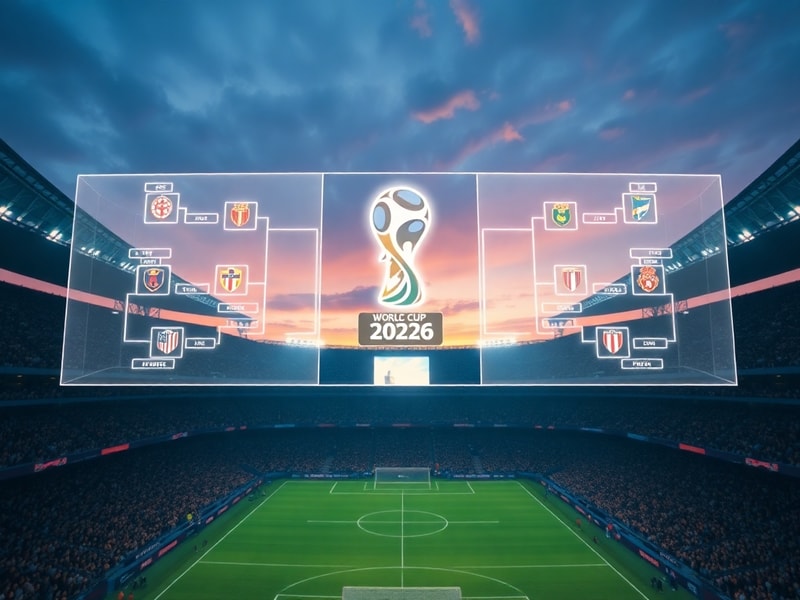
Under the new system, the 48 teams will be divided into 12 groups of four. The top two from each group advance, along with the best eight third-place finishers. This creates a 32-team knockout stage—a dramatic increase from previous editions. The knockout round will start with Round of 32, followed by Round of 16, quarterfinals, semifinals, and the final.
One of the most significant changes is the introduction of a third-place playoff. While this match has been a tradition in past tournaments, its inclusion in 2026 adds another layer of competition. Teams that fall just short of the semifinals can still salvage pride and ranking points.
The bracket’s complexity also means more matches overall. With 104 games scheduled, the tournament will span over a month, giving fans more content to consume but also requiring careful scheduling to avoid fatigue. The expansion reflects FIFA’s push to make the World Cup a truly global event, but it also raises questions about whether the spectacle will dilute the tournament’s prestige.
Key Adjustments in the 2026 Format
- Group Stage: 12 groups of four teams, with the top two from each advancing.
- Knockout Round: 32 teams enter the Round of 32, leading to a Round of 16, quarterfinals, semifinals, and final.
- Third-Place Playoff: A consolation match for the semifinal losers.
- More Matches: 104 games in total, up from 64 in previous editions.
Cultural Shifts: Who Benefits from the New Bracket?
The expanded format opens doors for nations that have historically struggled to qualify or advance. Teams from Asia, Africa, and North America now have a clearer path to the knockout stages. For example, Japan, South Korea, and Saudi Arabia could realistically reach the Round of 32, while African teams like Morocco and Senegal might finally break into the quarterfinals.
This shift also benefits smaller European and South American nations. Teams like Switzerland, Belgium, or Uruguay, which often face tough group-stage opponents, now have a better chance to progress. The bracket’s design ensures that even if a powerhouse like Brazil or France stumbles early, their journey isn’t over immediately.
However, the new format isn’t without risks. The inclusion of weaker teams in the group stage could lead to uncompetitive matches, particularly in the early rounds. Some critics argue that diluting the quality of play might diminish the tournament’s prestige. Yet, for fans of underdog stories, the 2026 bracket offers a chance to see new heroes emerge.
Potential Dark Horses and Wildcards
The 2026 World Cup bracket could produce unexpected stars. Nations like Canada, Jamaica, or even the United States—hosts of the tournament—might capitalize on home advantage to make deep runs. Meanwhile, teams from Africa and Asia could use the expanded format to prove they belong among the elite.
The bracket’s unpredictability also means that traditional rivalries may take a backseat to fresh narratives. A clash between Argentina and Nigeria, or Portugal and Ghana, could become as iconic as any classic European showdown. The World Cup has always been about storytelling, and 2026 will offer plenty of new chapters.
Logistical Challenges and Fan Experience
Organizing a tournament of this scale presents enormous logistical hurdles. With 48 teams and 104 matches, the 2026 World Cup will require more venues, more staff, and more planning than ever before. The three host nations—the United States, Canada, and Mexico—will need to coordinate closely to ensure smooth operations.
For fans, the extended format means more travel, more tickets to buy, and a longer wait for the knockout stages to begin. The group stage will feature a mix of competitive and lopsided matches, which could test spectators’ patience. However, the longer tournament also allows for more cultural exchange, as fans from different nations interact over weeks rather than days.
The bracket’s complexity also means broadcasters and analysts will need to adapt. Commentators will have to explain the nuances of the new format, while pundits will dissect every possible scenario. For sports media, the 2026 World Cup presents both a challenge and an opportunity to innovate in storytelling.
What Fans Can Expect
The expanded bracket ensures that every match carries significance. Unlike past tournaments where some group-stage games felt like dead rubber, every point in 2026 will matter. The knockout rounds will be more unpredictable, with lower-ranked teams having a real shot at glory.
For those planning to attend, the 2026 World Cup will be a logistical marathon. With matches spread across 16 cities, fans will need to strategize their travel plans carefully. The bracket’s structure also means that some knockout ties could feature back-to-back games in distant locations, adding to the challenge.
A New Era for the World Cup
The 2026 World Cup bracket marks a turning point for global soccer. It’s a response to the growing popularity of the sport outside Europe and South America, and a bold experiment in inclusivity. While purists may lament the dilution of tradition, the expansion offers a chance to celebrate football’s diversity.
The tournament’s success will depend on how well teams adapt to the new format. Coaches will need to manage squads carefully, avoiding burnout in a longer competition. Players from smaller nations will have more opportunities to shine, while established stars must prove they can handle the pressure of an extended campaign.
One thing is certain: the 2026 World Cup will be unlike any before it. The bracket’s design ensures that every match matters, every team has a chance, and every fan has a reason to stay engaged. Whether it’s a triumphant underdog story or a clash of titans, the tournament promises drama, unpredictability, and moments that will define football for years to come.