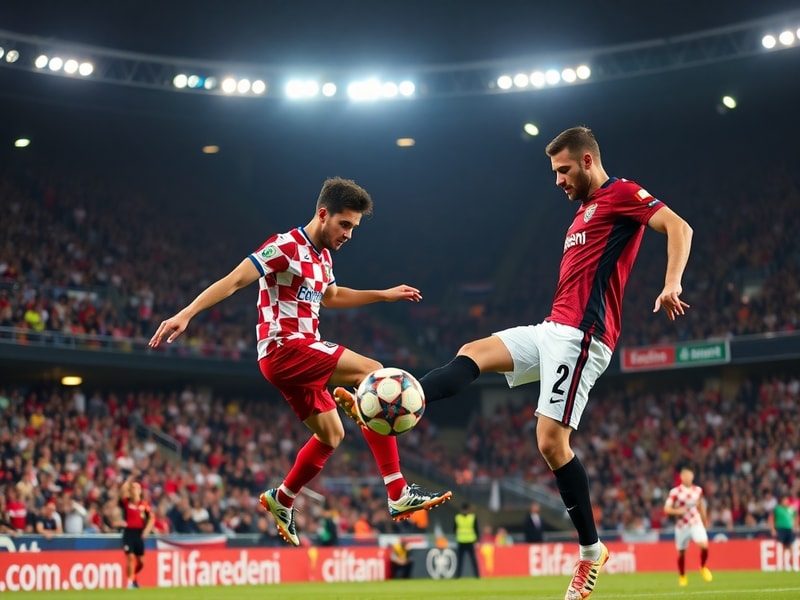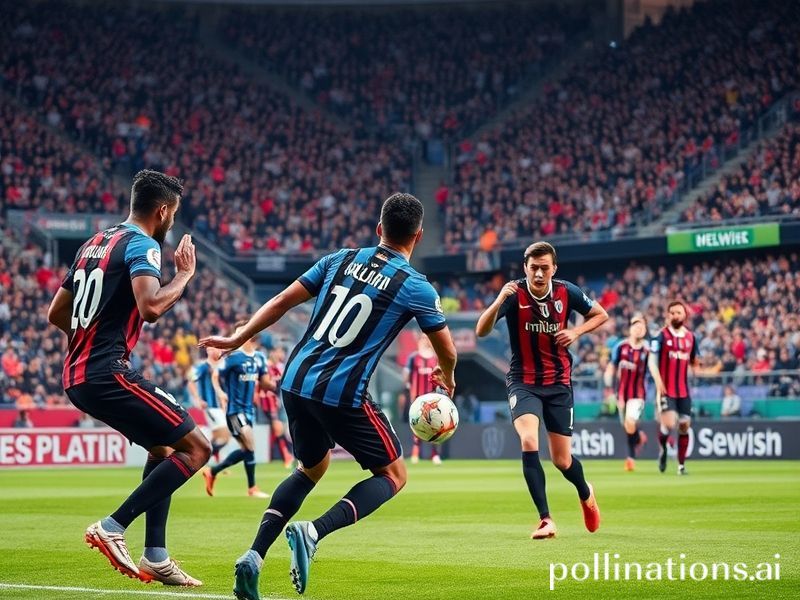
The FIFA World Cup knockout stage transforms the tournament from a month-long celebration of football into a high-stakes drama where every match can rewrite history. Unlike the group phase, where draws are common and progression often feels like a formality, the knockout bracket demands sudden death intensity. One mistake, one lapse in concentration, and a World Cup dream can vanish in 90 minutes—or less, if extra time and penalties enter the equation.
This single-elimination format has produced some of the most iconic moments in football. From Maradona’s “Hand of God” in 1986 to Geoff Hurst’s hat trick in the 1966 final, knockout football doesn’t just decide champions—it creates legends. The bracket’s structure, with its rapid progression from Round of 16 to quarter-finals, semi-finals, and the final, compresses pressure into unforgettable narratives that resonate across continents. Fans don’t just watch; they live each pass, tackle, and penalty as if their national identity depends on it.
How the World Cup Knockout Bracket Works
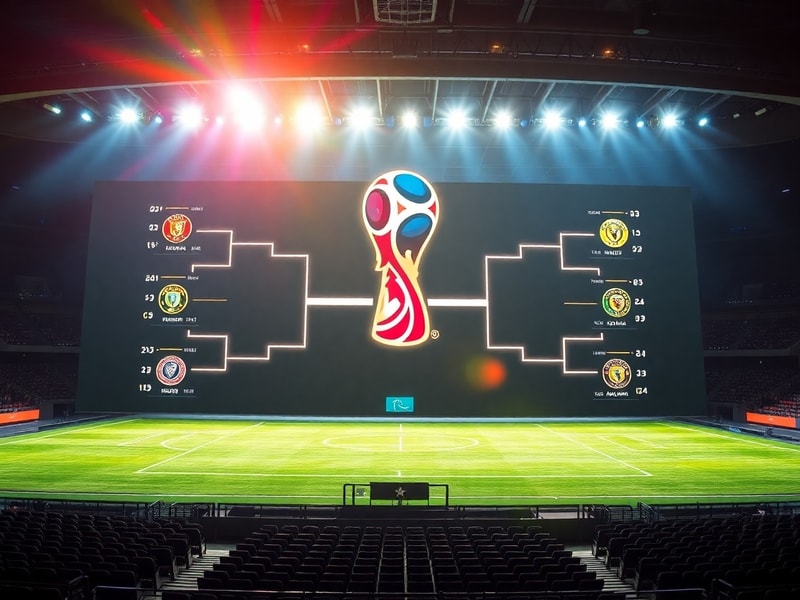
The knockout stage begins once the group phase concludes. The top two teams from each of the eight groups advance, totaling 16 nations. These 16 teams are paired in a fixed bracket that is predetermined before the tournament starts. The Round of 16 sees Group A’s winner face Group B’s runner-up, Group C’s winner against Group D’s runner-up, and so on, following a set pattern to avoid early clashes between teams from the same group.
If a match ends in a draw after 90 minutes, 30 minutes of extra time follow. If still tied, a penalty shootout decides the winner. This rule has led to heartbreak and euphoria in equal measure. The bracket operates on a one-loss-and-you’re-out basis, meaning there are no second chances. Losing teams head home immediately, their campaigns over, while the victors advance to the next round.
The quarter-finals pit the Round of 16 winners against each other in unpredictable pairings. The semi-finals follow, narrowing the field to two teams who will contest the World Cup final. The entire process spans just two weeks, making the knockout stage one of the most compressed and intense competitions in global sport.
Cultural Significance Across Continents
In South America, World Cup knockout football is woven into the fabric of national identity. Argentina’s 2022 triumph over France in a penalty shootout wasn’t just a victory—it was a reclaiming of legacy. Lionel Messi’s tears on the pitch in Qatar symbolized decades of passion, heartbreak, and resilience. Similarly, Brazil’s 1970 team, which won all six knockout matches en route to the title, remains a cultural touchstone, celebrated in music, art, and folklore.
In Europe, the knockout stage often amplifies rivalries that extend beyond football. England’s penalty shootout failures have become a national narrative, fuelled by media and public expectation. Meanwhile, Germany’s clinical efficiency in knockout football—with seven titles, many secured through tight, tactical victories—reflects the country’s engineering mindset applied to the pitch.
In Africa, the knockout stage represents a rare moment of continental unity. Morocco’s historic run to the semi-finals in 2022 captured imaginations across the continent, proving that African football could compete at the highest level. Their victory over Spain in the Round of 16 was not just a win—it was a statement that African teams belong among the elite.
In Asia, Japan and South Korea have used the knockout stage to announce their arrival. South Korea’s 2002 semifinal run, aided by home advantage, remains the continent’s greatest achievement. Japan’s consistent presence in the Round of 16 reflects a growing maturity, with their technical style earning global respect.
Unpredictability and the Magic of the Bracket
One of the knockout stage’s defining traits is unpredictability. Seeding and rankings offer guidance, but they rarely guarantee outcomes. In 2004, Greece—ranked 102nd in the world—defeated France in the Round of 16, Portugal in the quarter-finals, and advanced to the final before falling to hosts Portugal. Their triumph was built on disciplined defending and collective belief, not star power.
Similarly, Senegal’s 2002 upset of defending champions France stunned the football world. The African debutants went on to reach the quarter-finals, showing how a single tournament can elevate an entire nation’s profile.
The bracket’s structure also creates dramatic narratives. A team like Portugal, blessed with individual brilliance but often criticized for mental fragility, has seen its World Cup hopes hinge on penalty shootouts. Cristiano Ronaldo’s tearful exit in the 2022 Round of 16 after Portugal’s loss to Morocco underscored how quickly legacies can shift in knockout football.
Meanwhile, the Netherlands’ reputation for near-misses is rooted in knockout football. Despite three runner-up finishes, their style—controlled, physical, and often controversial—has left a mark. The 2014 semifinal loss to Argentina, decided by a controversial penalty, remains a point of contention among fans.
What to Watch in the Knockout Stage
When analyzing the knockout bracket, several factors come into play:
- Form and Momentum: Teams that peak at the right time often go deep. Recent friendly results and tournament performances matter more than historical rankings.
- Injuries and Suspensions: With no second chances, losing a key player to suspension or injury can derail a campaign. England’s 2018 World Cup, for instance, was shaped by Harry Kane’s fitness and Harry Maguire’s leadership.
- Tactical Flexibility: The best knockout teams adapt. Germany’s 2014 triumph was built on a mix of possession football and counterattacks, while Spain’s 2010 win relied on a midfield that dominated games.
- Psychological Resilience: The ability to handle pressure—especially in shootouts—often separates finalists from also-rans. Switzerland and Belgium have both suffered heartbreak in penalty deciders, highlighting the mental toll.
- Home Advantage: When the World Cup is hosted by a competitive nation, the host often benefits. Hosts have reached the final in 12 of the 21 tournaments, with six winning the title.
As the tournament progresses, the bracket narrows the field to a final two. The semi-finals are where dreams are made or shattered. The 2018 clash between France and Belgium saw two of the tournament’s best teams face off, with France advancing to win the title. The 2014 final between Germany and Argentina was decided by a single Mario Götze goal in extra time, a moment frozen in World Cup lore.
The final itself is a global spectacle. The last match of the tournament draws over a billion viewers. It’s not just about football—it’s about national pride, cultural expression, and the power of sport to unite and divide. The winner is crowned world champion, their names etched into history alongside Pele, Maradona, Zidane, and Messi.
The knockout bracket is where legends are born and dynasties end. It’s where underdogs rise, champions fall, and the world watches in awe. Whether it’s a last-gasp winner, a penalty drama, or a tactical masterclass, the knockout stage ensures that the World Cup remains the greatest show on earth.
Looking Ahead
As the next World Cup approaches, the knockout bracket will once again become the stage for high drama. With emerging nations like Morocco, Japan, and the United States growing stronger, and traditional powers like Brazil, France, and Argentina reloading, the path to glory is more unpredictable than ever. The bracket doesn’t just decide a champion—it writes the next chapter in football’s global story.
For fans, the knockout stage is a rollercoaster of emotion. Every match is a story in itself, and every round brings new heroes and villains. Whether you’re watching from a packed stadium, a local bar, or a living room halfway across the world, the knockout bracket ensures that the World Cup stays unforgettable.