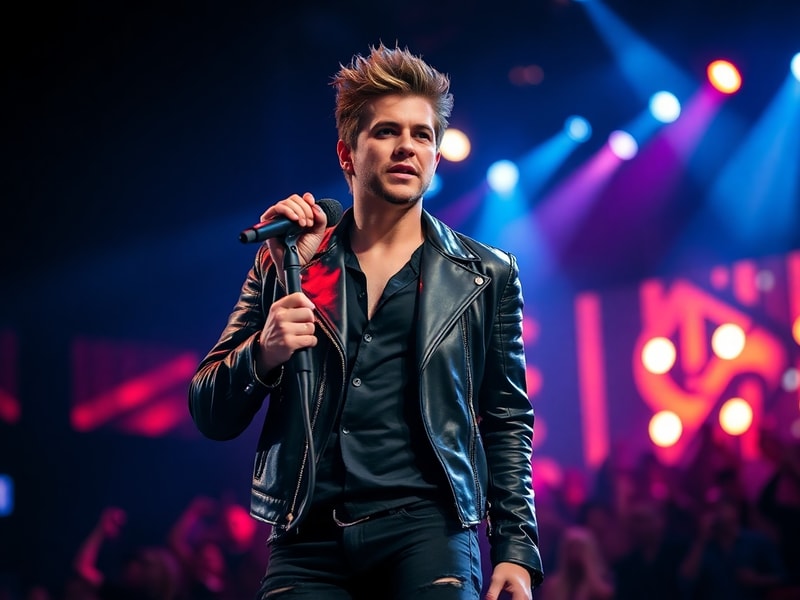
Adam Lambert: The Rock Icon Defying Genre and Expectations
From American Idol to Global Rock Icon: The Evolution of Adam Lambert
Adam Lambert’s career has been a study in contrasts—raw vocal power against polished theatrics, mainstream appeal versus genre-bending experimentation. Rising to fame as a runner-up on American Idol in 2009, he quickly transcended the confines of reality television, forging a path that embraced gender fluidity, musical innovation, and unapologetic self-expression. Today, he stands as one of the most visible openly queer artists in rock and pop, challenging industry norms while amassing a devoted global following.
Lambert’s artistry defies easy categorization. He blends rock, glam, and electronic influences, often pushing boundaries in both music and visual presentation. His 2009 debut For Your Entertainment became a cultural flashpoint, not just for its sonic ambition but for the controversy it sparked over LGBTQ+ representation in mainstream media. Nearly fifteen years later, Lambert’s influence extends far beyond music—it’s a testament to the power of authenticity in an industry often resistant to change.
The Breakout Star Who Rejected Conformity
Lambert’s American Idol journey was marked by audacity. Unlike many contestants who softened their edges to appeal to judges and audiences, he leaned into theatricality from the start. His performances—such as a soaring rendition of “Bohemian Rhapsody” or a gender-bending take on “Ring of Fire”—were less about winning votes than about asserting identity. Finishing in sixth place didn’t diminish his impact; instead, it framed him as an artist unwilling to compromise for mass appeal.
Post-Idol, Lambert didn’t chase pop trends. His debut single “Time for Miracles” served as the theme for 2012, a disaster film where his voice carried weight without relying on clichés. The album’s title track, “For Your Entertainment,” became an anthem of defiance, its lyrics and Lambert’s commanding stage presence resonating with listeners who craved something raw and unfiltered. The accompanying music video, featuring Lambert in a high-fashion, androgynous aesthetic, was banned by MTV for its provocative imagery—a moment that only amplified his notoriety.
The Queen Connection and the Rise of a Rock Icon
Lambert’s relationship with Queen has been pivotal in shaping his public persona. After joining the band for a 2009 American Idol finale duet with finalist Kris Allen, he became a natural successor to Freddie Mercury’s legacy. The chemistry was undeniable, leading to a 2011–2012 world tour where Lambert fronted Queen + Adam Lambert, reimagining classics like “Stone Cold Crazy” and “Killer Queen” with a modern edge.
That collaboration wasn’t just a career highlight—it was a cultural bridge. Queen’s music, steeped in glam rock and theatricality, aligned perfectly with Lambert’s own aesthetic. The tour’s success in Europe, Asia, and the Americas proved that rock music could still command global attention, even in an era dominated by streaming and hip-hop. Lambert’s ability to channel Mercury’s spirit while asserting his own identity made him a compelling figure for both longtime Queen fans and new audiences discovering the band through him.
Critics and purists initially questioned whether an Idol alum could front a legendary rock band. By the tour’s end, those doubts had faded. Lambert wasn’t just filling Mercury’s shoes; he was forging his own path within Queen’s universe, proving that rock’s legacy could evolve without losing its essence.
The Business of Reinvention: Lambert’s Strategic Career Moves
Lambert’s career has been defined by calculated risks. After his second album Trespassing (2012) debuted at No. 1 on the Billboard 200—making him the first openly gay artist to top the chart—he faced a crossroads. The music industry expected consistency, but Lambert chose evolution. His third album, The Original High (2016), leaned into electronic and pop influences, marking a deliberate shift away from the rock-heavy sound of his debut.
That reinvention wasn’t just artistic; it was strategic. Lambert recognized that to sustain relevance, he needed to adapt to changing musical landscapes. The album’s lead single “Ghost Town” showcased a sleeker, more introspective side, while collaborations with producers like Max Martin and Shellback ensured a polished, radio-friendly sound. Though it didn’t replicate the commercial success of Trespassing, the album solidified Lambert’s reputation as an artist who prioritized creative freedom over industry expectations.
Lambert’s business acumen extends beyond music. He’s leveraged his platform for activism, particularly in LGBTQ+ rights, and has ventured into television as a coach on The Voice UK and a mentor on The Masked Singer. His willingness to embrace pop culture—from viral moments to high-profile endorsements—has kept him visible in an era where artists often struggle to maintain longevity.
Here’s a snapshot of Lambert’s career milestones:
- 2009: Finishes runner-up on American Idol and signs with RCA Records.
- 2010: Releases debut album For Your Entertainment, which debuts at No. 3 on the Billboard 200 and sparks controversy over LGBTQ+ representation.
- 2011–2012: Tours with Queen + Adam Lambert, redefining the band’s live performances for modern audiences.
- 2012: Becomes the first openly gay artist to top the Billboard 200 with Trespassing.
- 2016: Releases The Original High, embracing electronic and pop influences.
- 2019: Joins The Masked Singer as a mentor, expanding his reach into reality television.
- 2020: Releases Velvet, a synth-pop album that leans into retro-futuristic aesthetics.
Global Influence and Cultural Impact
Lambert’s appeal isn’t confined to the United States. In Japan, his androgynous fashion and theatrical performances have earned him a dedicated fanbase known as “Lambertites.” His 2013 tour there sold out venues in Tokyo and Osaka, where audiences embraced his blend of rock and pop with a fervor typically reserved for J-pop idols. Similarly, in Europe, Lambert’s Queen + Adam Lambert shows have drawn crowds that rival major festival headliners.
His influence extends into LGBTQ+ communities worldwide. Lambert has used his platform to advocate for marriage equality, anti-bullying initiatives, and transgender rights. In 2019, he headlined the Sydney Gay and Lesbian Mardi Gras, delivering a set that blended Queen anthems with personal reflections on identity. His openness about his own journey—from struggling with sexuality as a teenager in San Diego to becoming a global icon—has made him a symbol of resilience for queer youth.
Yet Lambert’s global impact isn’t without its complexities. In some regions, his unapologetic queerness has faced backlash, particularly in conservative markets where LGBTQ+ visibility remains limited. His decision to perform in Russia in 2016, despite the country’s anti-LGBTQ+ laws, sparked debate among fans and activists. Lambert addressed the controversy head-on, stating that he viewed his performances as opportunities to challenge oppressive systems, even if the impact wasn’t immediate.
Lambert’s ability to navigate these contradictions—balancing mainstream success with marginalized identity—has cemented his role as a cultural translator. He doesn’t just perform music; he performs a kind of defiance, one that resonates with audiences who see themselves reflected in his artistry.
The Future: What’s Next for Adam Lambert?
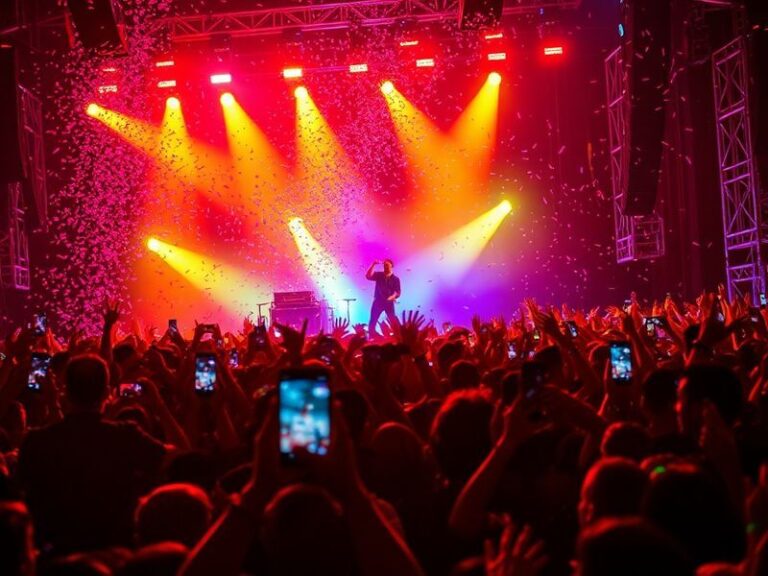
At 42, Lambert shows no signs of slowing down. His 2023 album High Drama leaned into darker, more experimental sounds, with tracks like “That’s What It Takes” and “New Eyes” showcasing his growth as a songwriter. The album’s accompanying tour, High Drama Live, featured elaborate stage designs and costumes that pushed the boundaries of live performance, further cementing his reputation as a showman.
Beyond music, Lambert’s entrepreneurial ventures continue to expand. He’s launched a wine label, Lambert Wines, and has teased potential film and television projects, including a rumored memoir adaptation. His presence on social media—where he balances personal vulnerability with sharp humor—keeps him connected to fans across generations.
As Lambert’s career evolves, so too does the conversation around his legacy. He’s no longer just the American Idol runner-up who shocked audiences with his sexuality; he’s a pioneer who redefined what it means to be a rock star in the 21st century. His willingness to take risks, both artistically and personally, has set a precedent for artists who refuse to be boxed in by genre or expectation.
Looking ahead, Lambert’s influence on the next generation of LGBTQ+ musicians is undeniable. Artists like King Princess, Muna, and Rina Sawayama have cited him as an inspiration, crediting his fearlessness with paving the way for more inclusive representations in music. As Lambert continues to create, collaborate, and challenge, one thing is clear: his story is far from over.
For those who’ve followed his journey from the beginning, Lambert’s career serves as a reminder that artistry and authenticity can coexist—even in an industry that often demands conformity. His music, his persona, and his unapologetic embrace of identity have left an indelible mark on global pop culture, one that will continue to inspire for years to come.