The battle between air coolers and portable air conditioners isn’t just a matter of climate control—it’s a clash of convenience, efficiency, and adaptability. As summer heatwaves grow more intense and urban living spaces shrink, consumers are increasingly turning to compact cooling solutions that don’t require permanent installation or invasive ductwork. Portable air conditioners and air coolers both promise relief, but they operate on fundamentally different principles and cater to distinct needs. Understanding their differences, benefits, and limitations is essential for anyone shopping in today’s crowded cooling market.
How They Work: The Science Behind the Cool
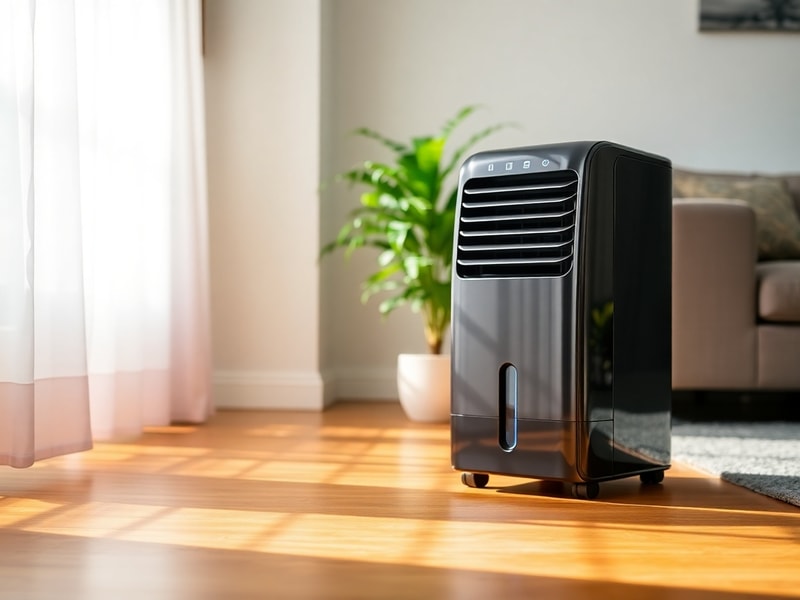
Air coolers, often called evaporative coolers, rely on a simple process of water evaporation to lower air temperature. They pull warm air through water-saturated cooling pads using a fan. As the water evaporates, it absorbs heat from the air, releasing cooler, moist air into the room. This method works best in dry climates where humidity is low. In humid conditions, the cooling effect diminishes because the air is already saturated with moisture, reducing evaporation efficiency.
Portable air conditioners, on the other hand, use a refrigeration cycle similar to traditional AC units. They compress refrigerant gas, which absorbs heat from indoor air and expels it outside through an exhaust hose. This closed-loop system delivers consistent cooling regardless of external humidity levels. However, it consumes more energy and generates condensate that must be drained or managed via a built-in reservoir.
The core distinction lies in their environmental dependency: air coolers thrive in arid conditions, while portable ACs perform reliably across climates. This fundamental difference shapes their ideal use cases—air coolers are best for dry regions or supplemental cooling, while portable ACs are the go-to for humid summers or enclosed spaces where temperature control must be precise.
Portability and Installation: Freedom Without the Hassle
Both air coolers and portable air conditioners are designed for mobility, but their portability comes with caveats. Most air coolers weigh between 15 to 30 pounds and can be moved from room to room with ease, often featuring handles and casters. They require only an electrical outlet and, in some cases, a window to vent warm air. Installation is minimal—just fill the water tank, plug in the unit, and let it run. Some advanced models include remote controls, timers, and oscillation for even air distribution.
Portable air conditioners are heavier, typically ranging from 50 to 80 pounds, due to their internal compressor and refrigerant system. Their mobility is enhanced by built-in casters and extendable exhaust hoses that must be vented through a window or wall opening. This venting requirement complicates setup and can reduce cooling efficiency if not properly sealed. Some users opt for window venting kits or creative solutions like sliding door inserts to maintain a secure fit.
Energy consumption is another differentiator. Air coolers are significantly more energy-efficient, often using less than 100 watts during operation. Portable ACs, with their compressors, can draw 1,000 watts or more—comparable to a space heater. This makes air coolers ideal for cost-conscious consumers or those using them in smaller spaces for extended periods.
Key Considerations Before You Buy
When choosing between an air cooler and a portable air conditioner, several factors should guide your decision. Consider your climate, room size, budget, and long-term usage patterns. Below is a breakdown of the most critical considerations:
- Climate: Air coolers work best in hot, dry environments. Portable ACs are better suited for humid or mixed climates.
- Room Size: Measure your space in square feet. Air coolers typically cover 300–1,000 sq ft; portable ACs range from 250–500 sq ft, depending on model.
- Energy Use: Air coolers are cheaper to run. Portable ACs can significantly increase your electricity bill, especially during peak summer months.
- Maintenance: Air coolers require regular water refills and pad cleaning to prevent mold and bacteria. Portable ACs need filter cleaning, condensate drainage, and occasional refrigerant checks.
- Noise Levels: Air coolers tend to be quieter due to simpler fan mechanisms. Portable ACs can be louder due to compressor noise, especially at higher settings.
- Air Quality: Air coolers add moisture to the air, which can benefit dry skin but may encourage dust mites in humid environments. Portable ACs don’t alter humidity levels but can dry out air over time.
The Broader Impact: Sustainability and Urban Living
The rise of portable cooling devices reflects broader trends in urbanization, energy demand, and environmental awareness. As cities expand and heat islands intensify, the demand for localized climate control solutions grows. Air coolers, with their low energy footprint and reliance on water evaporation, align with sustainability goals. They don’t deplete ozone layers or contribute to greenhouse gases, unlike traditional refrigerant-based systems.
Portable air conditioners, while less eco-friendly, offer a lifeline for renters and apartment dwellers who cannot install window units or split systems. Their flexibility supports the gig economy and remote work trends, enabling people to create comfortable home offices without permanent modifications. The trade-off, however, is higher energy use and potential noise pollution in shared living spaces.
There’s also a socioeconomic dimension. Air coolers are often more affordable upfront, making them accessible to budget-conscious consumers. Portable ACs, though pricier, provide relief in regions where heatwaves pose health risks. This disparity highlights the need for energy-efficient innovations that bridge performance and affordability.
Moreover, as climate change increases the frequency of extreme heat events, portable cooling devices are becoming less of a luxury and more of a necessity. The market has responded with smarter models featuring app connectivity, eco-modes, and multi-stage filtration. These advancements suggest a future where portability and sustainability coexist—where cooling is not just about comfort, but about resilience in the face of rising temperatures.
For those navigating this crowded market, the choice ultimately comes down to alignment with personal needs and values. Whether you prioritize energy efficiency, climate adaptability, or sheer cooling power, both air coolers and portable air conditioners offer viable paths to relief. The key is to shop informed, measure your space, and consider the long-term costs—not just the sticker price.
As technology evolves, expect to see even more hybrid devices that blend the best of both worlds: the efficiency of evaporation with the precision of refrigeration. Until then, the battle for the coolest corner of your home will continue—one portable unit at a time.