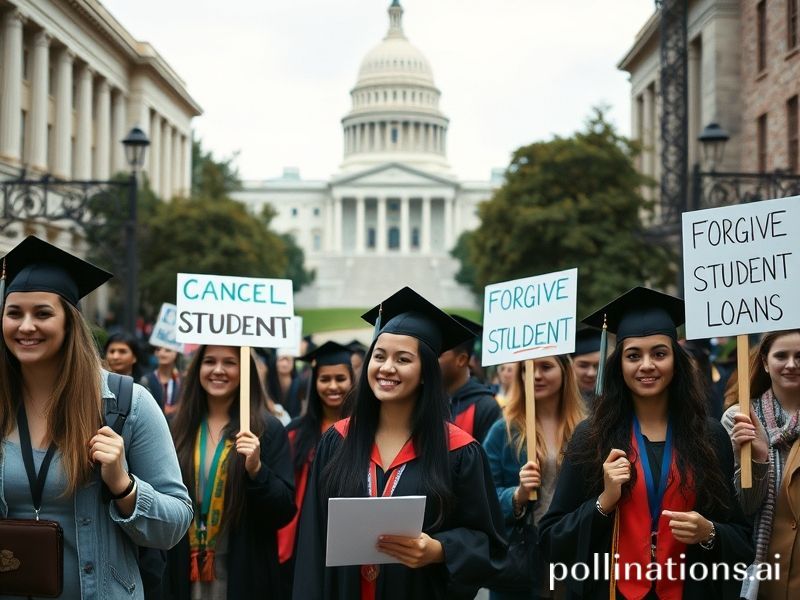
This month, the Biden administration announced fresh updates to its long-awaited Student Loan Save Plan, aiming to ease the financial burden on millions of borrowers still grappling with repayment after the pandemic-era pause ended. The revised proposal includes expanded eligibility, lower monthly payments, and a faster path to forgiveness for certain borrowers. While advocates praise the changes as a step toward financial justice, critics argue the adjustments don’t go far enough. Here’s what you need to know about the latest developments and what they could mean for your wallet.
Key Changes in the Updated Student Loan Save Plan
The Department of Education rolled out several adjustments to the Income-Driven Repayment (IDR) plans, which tie monthly payments to a borrower’s discretionary income. The most significant updates include:
- Lower payment caps: Borrowers earning less than $150,000 (or $75,000 for individuals) will now pay no more than 5% of their discretionary income on undergraduate loans, down from the previous 10%. Graduate loans remain at 10%, but the cap is weighted to prioritize undergraduate debt.
- Expanded forgiveness timeline: Under the new rules, remaining balances will be forgiven after 20 years for most borrowers, down from 25 years. Those with $12,000 or less in original debt could see forgiveness in as little as 10 years.
- Higher poverty-level protections: The calculation for discretionary income now excludes more earnings, shielding low-income borrowers from unrealistic payments. The protected income level has increased from 150% to 225% of the federal poverty guideline.
- Automatic enrollment for delinquent borrowers: The Education Department will automatically enroll borrowers who are 75 or more days behind on payments into the most affordable IDR plan, preventing further defaults.
These changes arrive as part of the Biden administration’s broader effort to fulfill campaign promises around student debt relief. The updates follow a year of legal battles and public pressure, including a Supreme Court ruling last summer that struck down a separate forgiveness program. While the new plan doesn’t cancel debt outright, it offers a more structured approach to managing repayment without the looming threat of ballooning interest.
Who Benefits—and Who’s Left Out
The revised plan is designed to target relief to borrowers who need it most, but gaps remain. Here’s a breakdown of who stands to gain—and who might still feel the squeeze:
- Low-to-moderate earners: Borrowers making under $75,000 annually will see the most immediate benefit, with payments slashed by half or more. For example, a single teacher earning $50,000 could pay as little as $200 per month under the new formula, compared to $400 under the old plan.
- Public service workers: Those employed by nonprofits or government agencies remain eligible for Public Service Loan Forgiveness (PSLF), which could wipe out their debt in as few as 10 years if they meet the program’s requirements.
- Graduate and professional degree holders: While the new rules reduce payments for undergraduate loans, graduate borrowers won’t see the same level of relief. Their repayment period remains longer, and payments are still calculated at 10% of discretionary income.
- High-debt borrowers: Borrowers with six-figure balances may still face daunting payments, especially if they’re married or have dependents. The new plan doesn’t address the root issue of rising tuition costs, leaving long-term affordability unresolved.
The Education Department estimates that the updates will save borrowers an average of $1,000 per year, with the most significant reductions going to those with the lowest incomes. However, critics argue that the plan doesn’t do enough to address the systemic issues driving the student debt crisis, such as skyrocketing college costs and predatory lending practices. Without broader reforms, some borrowers may still struggle to escape the debt cycle.
Broader Implications for Borrowers and the Economy
The ripple effects of the Student Loan Save Plan extend beyond individual wallets. Economists warn that while lower payments could boost consumer spending in the short term, the long-term impact on inflation and federal deficits remains uncertain. Here’s what’s at stake:
- Consumer spending: With more disposable income, borrowers may increase spending on housing, transportation, and other essentials. This could provide a modest boost to local economies, particularly in communities with high concentrations of student debt.
- Housing market: Lower debt burdens could make it easier for young adults to qualify for mortgages, potentially easing the housing shortage in some regions. However, the effect may be limited in high-cost areas where home prices outpace income growth.
- Federal budget: The Congressional Budget Office projects that the updated plan will cost the government an additional $120 billion over the next decade. While this is less than the $400 billion price tag of the canceled forgiveness program, it still raises questions about the sustainability of such programs.
- Political fallout: The Biden administration’s push for student debt relief has become a lightning rod in an already polarized political landscape. Republicans have vowed to challenge the plan in court, arguing that it oversteps executive authority and unfairly burdens taxpayers.
For borrowers, the immediate relief is undeniable. Yet the plan’s limitations highlight the need for more comprehensive solutions. Advocacy groups are calling for tuition-free community college, stricter regulations on for-profit colleges, and expanded Pell Grants to prevent future debt crises. Without these measures, the cycle of borrowing and repayment is likely to continue unabated.
What Borrowers Should Do Next
If you’re one of the 43 million Americans with federal student loans, here’s a step-by-step guide to navigating the updated plan:
- Check your eligibility: The new rules apply to all federal loans, including Direct Subsidized, Unsubsidized, and PLUS loans. Private loans are not eligible. Use the Federal Student Aid’s Loan Simulator at studentaid.gov/loan-simulator to estimate your new payments.
- Update your income information: If you’re already enrolled in an IDR plan, your servicer will automatically adjust your payments based on your most recent tax return. If you’ve had a change in income, submit updated documentation to avoid overpaying.
- Explore forgiveness programs: If you work in public service, verify your employer’s eligibility for PSLF. The updated plan also expands the types of payments that count toward forgiveness, including certain forbearance and deferment periods.
- Prepare for repayment: Payments resume this fall, so review your budget and set up automatic payments if possible. The Education Department has also announced a 12-month “on-ramp” period, during which borrowers won’t face penalties for missed payments.
- Stay informed: The plan is still subject to legal challenges, and further adjustments could be made. Follow updates from the Education Department and reliable sources like Dave’s Locker to avoid misinformation.
The Student Loan Save Plan update offers a lifeline to millions of borrowers, but it’s not a silver bullet. As the debate over student debt continues, the focus must shift from temporary relief to long-term solutions. Whether you’re a recent graduate, a mid-career professional, or a parent planning for your child’s education, understanding these changes is the first step toward financial stability.