Discover Bosnia and Herzegovina Beyond the Headlines
Unraveling the Complex Tapestry of Bosnia and Herzegovina
Bosnia and Herzegovina stands as a nation of contrasts, where medieval bridges span emerald rivers, Ottoman minarets pierce the skyline, and Austro-Hungarian architecture whispers of a shared European past. This small Balkan country, often overshadowed by its larger neighbors, offers a depth of history, culture, and natural beauty that rewards those who look beyond the headlines. From the war-torn streets of the 1990s to the thriving café culture of Sarajevo, Bosnia and Herzegovina remains a place where resilience and tradition intertwine with modern aspirations.
The country’s name itself reflects this layered identity. The term “Bosnia” refers to the heartland region, while “Herzegovina” derives from the German “Herzog,” meaning duke, tied to medieval noble titles. Though administratively united since the Ottoman era, the two regions maintain distinct cultural flavors—Bosnia leaning toward the mountainous interior and Herzegovina toward the Mediterranean coast. This duality is evident in everything from cuisine to architecture, making the country a living museum of influences that have shaped the Balkans for centuries.
The Historical Layers That Define a Nation
Few countries can match Bosnia and Herzegovina’s historical density. The region has been a crossroads of empires, religions, and cultures for millennia. The Illyrians, Romans, Slavs, Ottomans, and Austro-Hungarians all left indelible marks, creating a mosaic of influences that define the country today. The medieval Bosnian state, with its unique “Bosnian Church” that diverged from Catholic and Orthodox traditions, remains a source of national pride and historical intrigue.
The Ottoman period, which lasted from the 15th to the 19th century, left the most visible imprint. Sarajevo, the capital, became one of the empire’s most important administrative centers in Europe. The Baščaršija, the old bazaar, still bustles with copper-smiths and spice merchants, while the Gazi Husrev-beg Mosque stands as a testament to the city’s golden age. Even the Austro-Hungarian occupation (1878–1918) added a European flair, with grand buildings like the Sarajevo City Hall, now a UNESCO World Heritage site, blending neoclassical and Moorish Revival styles.
But it was the 20th century that tested the country’s endurance. The assassination of Archduke Franz Ferdinand in Sarajevo in 1914 sparked World War I, a moment that reshaped the world. Decades later, the Yugoslav Wars of the 1990s brought unimaginable suffering. The siege of Sarajevo, one of the longest in modern history, and the Srebrenica genocide left deep scars that the country is still grappling with. Today, memorials like the Tunnel of Hope and the Srebrenica-Potočari Memorial serve as sobering reminders of the past, while efforts at reconciliation and justice continue.
A Cultural Melting Pot Still in the Making
Bosnia and Herzegovina’s cultural identity is as diverse as its history. The country is home to three primary ethnic groups—Bosniaks (Muslims), Serbs, and Croats—each with its own language, traditions, and political narratives. This diversity is reflected in the country’s music, literature, and festivals. Sevdalinka, a melancholic genre of folk music, tells stories of love and loss, while turbo-folk, a more modern and energetic style, dominates clubs and radio stations. The annual Baščaršija Night festival transforms Sarajevo’s old town into a stage for traditional and contemporary performances, drawing crowds from across the region.
Cuisine is another arena where Bosnia and Herzegovina’s multicultural heritage shines. Dishes like ćevapi (grilled minced meat), burek (flaky meat or cheese pie), and klepe (dumplings) are staples, but regional variations abound. In Herzegovina, fresh trout from the Neretva River is a delicacy, while in the north, hearty stews like bosanski lonac reflect the influence of Central European cooking. Coffee culture is sacred, with Bosniaks, Serbs, and Croats all taking pride in their brewing traditions—sipping thick, strong coffee in ornate copper pots is a ritual that transcends ethnic divides.
The country’s literary scene is equally rich. Nobel laureate Ivo Andrić, whose novel The Bridge on the Drina immortalized the Mehmed Paša Sokolović Bridge, remains a towering figure. Contemporary writers like Miljenko Jergović and Semezdin Mehmedinović continue to explore themes of identity, memory, and displacement. Meanwhile, Sarajevo’s film industry has gained international acclaim, with directors like Danis Tanović, whose film No Man’s Land won an Oscar for Best Foreign Language Film in 2001, putting the country on the global stage.
The Natural Beauty That Lures Adventurers and Dreamers
Beyond its cities, Bosnia and Herzegovina is a paradise for nature lovers. The Dinaric Alps dominate the landscape, offering some of Europe’s most dramatic hiking and skiing opportunities. The Una National Park, with its turquoise rivers and waterfalls, is a haven for kayakers and hikers, while the Sutjeska National Park encompasses Europe’s last primeval forest, Perućica. The country’s 200 kilometers of Adriatic coastline, centered around Neum, provide a rare outlet to the sea, where secluded beaches and historic towns like Mostar offer a quieter alternative to Croatia’s crowded shores.
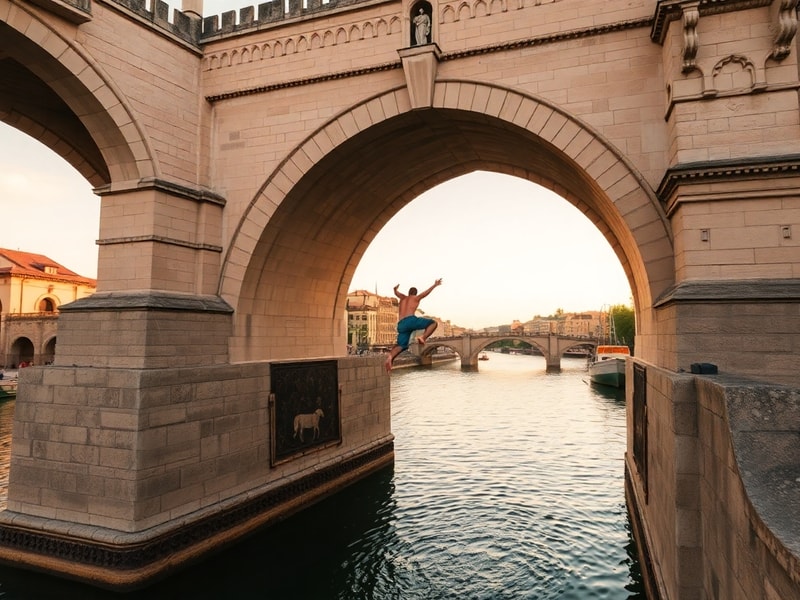
Mostar, the crown jewel of Herzegovina, is famous for its iconic Stari Most bridge, rebuilt after the war and now a symbol of resilience. The bridge, originally constructed in the 16th century, connects the city’s two halves and is the centerpiece of an annual diving competition where young men leap from its 24-meter height into the Neretva River below. The surrounding Old Town, with its cobbled streets and Ottoman-era houses, feels like a step back in time. Nearby, the Blagaj Dervish Monastery, perched where the Buna River emerges from a cliffside cave, offers a glimpse into the country’s spiritual history.
For those seeking adventure, the rafting on the Neretva and Vrbas rivers ranks among Europe’s best. The Vrbas Canyon, near the city of Banja Luka, is a hotspot for white-water rafting, while the Una River, with its emerald pools and Class II–IV rapids, attracts thrill-seekers from around the world. In winter, Jahorina and Bjelašnica mountains become ski resorts, drawing visitors from across the Balkans. The country’s hidden gems, like the Kravice Waterfalls or the Lukomir village in the Bjelašnica range, offer serene escapes where time seems to slow down.
Challenges and Aspirations: The Road Ahead
Despite its cultural richness and natural splendor, Bosnia and Herzegovina faces significant challenges. Political fragmentation remains a major hurdle. The Dayton Peace Agreement, which ended the 1992–95 war, established a complex system of governance divided between two entities—the Federation of Bosnia and Herzegovina and the Republika Srpska—along with the Brčko District. This structure, while preventing further conflict, has also entrenched ethnic divisions and slowed progress. Corruption, unemployment, and brain drain to Western Europe further complicate the country’s path forward.
Economic struggles are visible in the country’s aging infrastructure and underdeveloped industries. While tourism is growing, particularly in Sarajevo and Mostar, many rural areas remain economically stagnant. The country’s youth, frustrated by limited opportunities, often leave for greener pastures abroad. Yet, there are glimmers of hope. Initiatives like the Travel sector’s push to promote Bosnia and Herzegovina as a sustainable destination are bearing fruit, with international visitors increasingly choosing the country for its authenticity and affordability.
Cultural and artistic movements are also driving change. Sarajevo’s Culture scene is vibrant, with festivals like the Sarajevo Film Festival and the East West Theater Festival bringing global attention. Grassroots organizations are working to bridge ethnic divides, using sports, music, and education to foster unity. The country’s digital nomad scene is slowly emerging, with co-working spaces and cafés in Sarajevo and Mostar catering to remote workers seeking a blend of history and modern amenities.
The future of Bosnia and Herzegovina will depend on its ability to reconcile its past while embracing its potential. The country’s youth, though weary of political stagnation, are increasingly vocal about their aspirations. Social media campaigns like #Bosnia2023 and #SarajevoYouth are pushing for change, while local entrepreneurs are revitalizing traditional crafts and sustainable tourism. The world’s attention may still focus on other European destinations, but those who venture to Bosnia and Herzegovina often leave with a sense of discovery—a place where history is not just remembered but actively shaped by those who call it home.
The country’s story is far from over. It is a narrative of survival, creativity, and quiet determination. Whether through the echo of a sevdalinka song, the rush of white-water rafting, or the silent majesty of a medieval bridge, Bosnia and Herzegovina invites the world to listen, explore, and remember. In a region often defined by its conflicts, this small nation offers a different narrative: one of resilience, diversity, and an unyielding spirit that refuses to be forgotten.