Understanding Match Duration in the FIFA World Cup
FIFA World Cup games follow a standardized duration, but the actual length of matches can vary for several reasons. At the heart of every World Cup game is a fixed regulation time: 90 minutes, split into two 45-minute halves. This structure has remained consistent since the tournament’s early days in 1930. Yet, the clock rarely stops for just 90 minutes. Extra time, stoppage delays, injuries, and referee decisions all influence the real-time experience of watching a match.
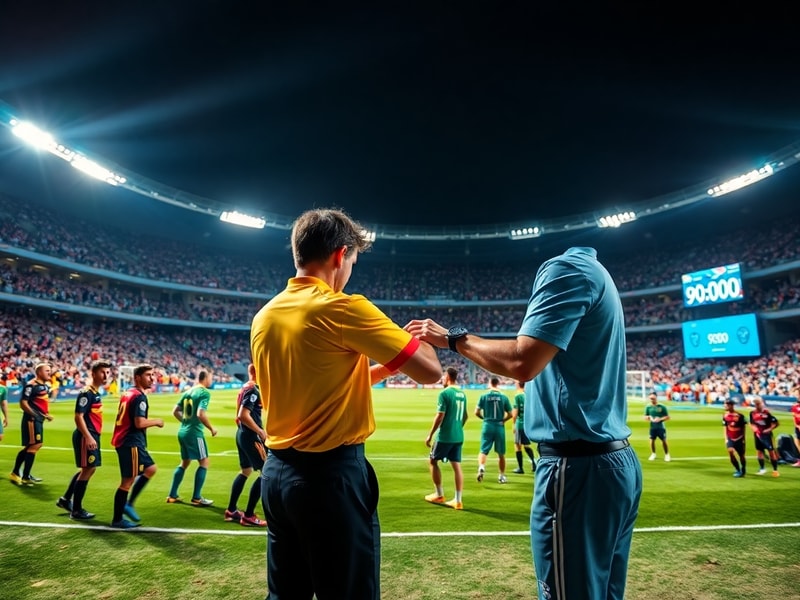
The International Football Association Board (IFAB), which sets the Laws of the Game, defines the official playing duration. According to FIFA’s official regulations, each half lasts 45 minutes, with a 15-minute halftime interval. However, referees are empowered to add stoppage time at the end of each half to compensate for delays like substitutions, injuries, or time-wasting. This added time, often called “injury time” or “added time,” can range from one to eight minutes depending on the game’s flow.
Why Added Time Extends World Cup Matches
Unlike domestic leagues where added time is sometimes loosely applied, FIFA enforces stricter standards at the World Cup. Referees use precise timings and must account for every minute lost. This is especially visible in high-pressure knockout games, where the stakes amplify every second.
According to a 2022 analysis by FIFA’s technical department, average added time per match in the Qatar World Cup was 4 minutes and 30 seconds. That’s nearly double the average from the 2014 Brazil World Cup. The increase reflects a global push for greater game integrity and transparency. Fans watching on television or in stadiums often see these added minutes accumulate, sometimes extending a 90-minute game to well over 100 minutes of active play.
Cultural expectations also shape how added time is perceived across regions. In South America, fans are accustomed to longer games due to a tradition of closer referee adherence to the Laws of the Game. In contrast, some European leagues have faced criticism for shorter added time, seen as a way to manage commercial breaks. At the World Cup, however, uniformity prevails—every match, regardless of location, is treated with the same level of scrutiny.
Knockout Stage: When Games Go Beyond 90 Minutes
In the group stage, matches that end in a draw simply conclude after regulation and added time. But during the knockout rounds—Round of 16, quarterfinals, semifinals, and the final—tied games proceed to extra time if needed. This adds another 30 minutes, split into two 15-minute halves, bringing the total possible playing time to 120 minutes.
If the score remains level after extra time, the match moves to a penalty shootout. While shootouts don’t extend the game’s duration, they significantly impact the viewing experience. They can last 10 to 20 minutes, depending on how many rounds are needed. The emotional weight of penalty shootouts is felt globally, from England’s historic defeats to Italy’s triumphs, adding a dramatic layer to the World Cup narrative.
In the 2014 World Cup final between Germany and Argentina, the game went to extra time before Mario Götze scored in the 113th minute. The match lasted 123 minutes of active play. In contrast, the 2018 final between France and Croatia ended in 90 minutes plus 4 minutes of added time, totaling 94 minutes. This variability highlights how no two World Cup games are identical in duration.
The Role of VAR and Its Impact on Game Length
The introduction of the Video Assistant Referee (VAR) system in the 2018 World Cup and expanded in 2022 added another dimension to match duration. While VAR improves officiating accuracy, it also introduces delays. Referees review incidents such as potential penalties, red cards, or mistaken identity in goal celebrations. Each review can add 2 to 5 minutes to the game.
According to FIFA data, average VAR-related delays during the 2022 World Cup amounted to 3 minutes and 12 seconds per match. This was slightly higher than in 2018 due to increased scrutiny and more incidents being reviewed. The longest single VAR review occurred in the Round of 16 match between Portugal and Switzerland, where a potential handball took over 7 minutes to resolve.
Critics argue that VAR disrupts the flow of the game, while supporters believe it ensures fairness. Either way, it has become an integral part of modern World Cup football. Fans now expect transparency, even if it means longer viewing times. Broadcasters have adapted by scheduling extended programming blocks and pre- and post-match analysis to accommodate these changes.
Cultural Perspectives on Match Length and Viewing Experience
The perception of World Cup game length varies widely around the world. In Latin America, where football is deeply tied to social and cultural identity, fans often embrace the extended duration as part of the ritual. A 110-minute match is not seen as long, but as an immersive experience that includes chants, rituals, and communal viewing.
In contrast, in fast-paced societies like Japan or South Korea, where work schedules and digital consumption are highly structured, even a 10-minute delay can feel burdensome. Broadcasters in these countries often air condensed highlights or studio commentary to fit shorter time slots. Yet, during the World Cup, national pride overrides convenience—fans still gather in public squares and homes to watch every minute.
In the Middle East, World Cup matches are often scheduled during cooler evening hours to avoid extreme heat. This timing aligns with cultural practices where families and friends gather after sunset. The extended duration fits naturally into the rhythm of evening social life, making it a communal event rather than a rushed broadcast.
How Long Do World Cup Games Really Take? A Real-World Breakdown
To understand the true length of a World Cup game, consider the following breakdown from a typical 2022 World Cup match:
- Kickoff to Final Whistle: 90 minutes regulation + 3–6 minutes added time (average: 4:30)
- VAR Delays (if applicable): 1–7 minutes (average: 3:12)
- Halftime Break: 15 minutes
- Extra Time (if needed): 30 minutes (two 15-minute halves)
- Penalty Shootout (if needed): 10–20 minutes
Adding these together, a group-stage match typically lasts around 115–120 minutes from kickoff to final whistle. A knockout match that goes to extra time could extend to 150 minutes or more. When penalties are involved, the total viewing time can surpass 160 minutes.
Broadcasters and streaming platforms plan for this variability. In the United States, where the World Cup is growing in popularity, networks like Fox and Telemundo schedule pre-game shows and halftime analysis to fill the gaps. In Europe, public viewing events in city centers run long into the night, with DJs, food vendors, and fan zones keeping the energy alive regardless of the score.
Global Scheduling and the Fan Experience
World Cup matches are played across multiple time zones, adding another layer of complexity. The 2026 tournament, co-hosted by the USA, Canada, and Mexico, will span three continents and nine time zones. This means some matches will kick off at unusual local times, such as 7:00 AM in Los Angeles or 11:00 PM in Doha.
FIFA uses this global schedule to maximize television audiences. Prime-time games in major markets like Europe and North America draw the largest viewership. However, it also means that some fans must adjust their daily routines to watch a 2:00 AM match. The length of the game becomes secondary to the experience of being part of a global community united by football.
In countries like Argentina and Brazil, schools and businesses often close during World Cup games, especially during knockout stages. The match duration is less important than the cultural pause it creates—a shared moment of national identity that transcends time.
Conclusion: More Than Just 90 Minutes
The World Cup is more than a tournament of 90-minute games. It’s a global spectacle where time is fluid, emotions are high, and every second counts. From added time to VAR reviews, from penalty shootouts to cultural rituals, the duration of a World Cup match reflects the complexity of modern football.
What begins as a simple 45-minute half becomes a journey that can last over two and a half hours. And for fans around the world, that time is never wasted. Whether it’s the tension of injury time or the relief of a last-minute goal, the length of the game is part of its magic. In the end, the World Cup doesn’t just fill 90 minutes—it fills history, culture, and collective memory.
So the next time you watch a World Cup match, pay attention not just to the score, but to the clock. You might find that the real game begins after the 90-minute mark.