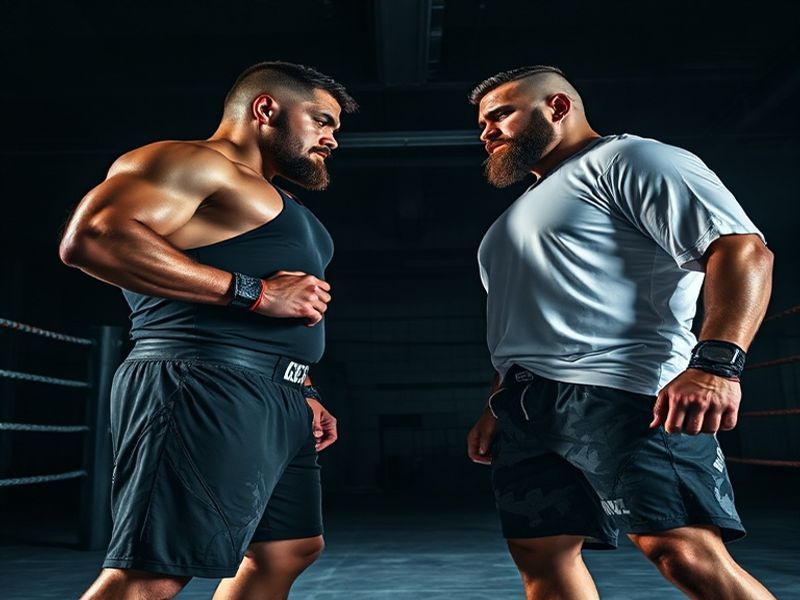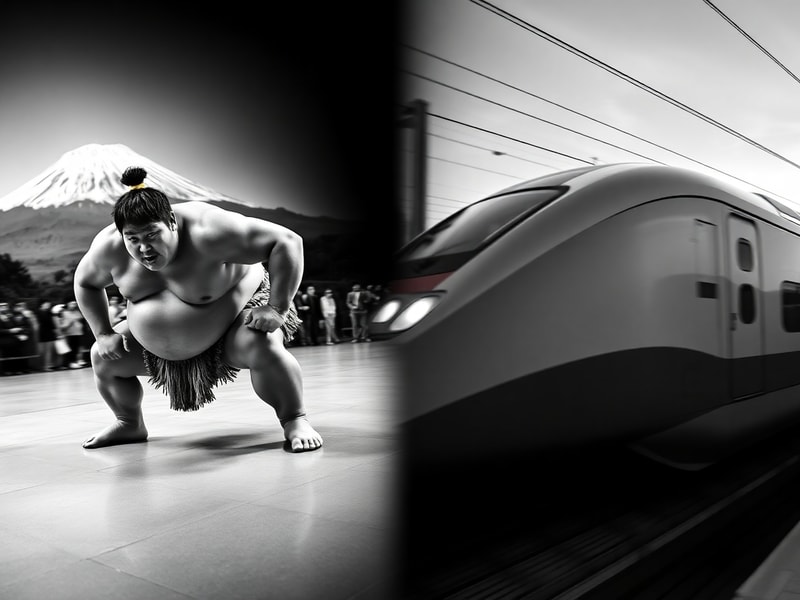
When two titans of pop culture collide, the world watches—not just to see who wins, but to understand why the rivalry itself matters. The decades-long standoff between Japanese wrestling (puro) and American wrestling (sports entertainment) is more than a battle of styles. It’s a clash of philosophies, business models, and fan expectations that has shaped global wrestling for generations.
What began as a post-war American export to Japan evolved into two distinct ecosystems. One prioritized athleticism and storytelling; the other embraced spectacle and charisma. Today, the lines blur, but the core tension remains. Fans from Tokyo to Toronto debate: which approach produces better matches? Which one better serves the audience? And, perhaps most importantly, which one best represents the soul of wrestling?
Origins: How American Wrestling Became Japanese Wrestling
The roots of Japanese wrestling stretch back to 1951, when Rikidōzan—a former sumo wrestler—founded Japan Pro-Wrestling Alliance (JWA), the country’s first major promotion. Rikidōzan had trained in Hawaii under American promoters and brought back the flashy, theatrical style of American wrestling in the 1950s. But he quickly realized that Japanese audiences craved more than just brawls and showmanship. They wanted technique, discipline, and emotional depth.
This adaptation laid the foundation for puroresu, a term that now defines Japanese professional wrestling. Unlike American sports entertainment, puro emphasizes realistic storytelling, technical mastery, and long-term character arcs. Matches often run 30–45 minutes, with intricate chain wrestling, stiff strikes, and a focus on selling damage. The crowd responds not just to big moves, but to the ebb and flow of a well-crafted match.
By the 1970s, Japanese wrestling had split into two major factions: New Japan Pro-Wrestling (NJPW), led by Antonio Inoki, and All Japan Pro-Wrestling (AJPW), under Giant Baba. Both drew inspiration from American styles but carved their own identities. Inoki’s NJPW embraced stiff strikes and martial arts influences, while Baba’s AJPW leaned into technical wrestling and strong style. These distinctions still define the sport today.
The Business of Wrestling: Two Models, One Global Stage
The way wrestling promotions operate in Japan and the U.S. reflects deeper cultural values. In Japan, wrestling is treated as a legitimate sport, even if it’s scripted. Promotions like NJPW and Pro Wrestling NOAH maintain strict training regimens, medical standards, and even salary caps. Wrestlers are expected to perform at a high level regardless of gimmick or star power.
In contrast, American wrestling—particularly WWE—functions more like a global entertainment empire. Storylines drive viewership, and character development often outweighs in-ring performance. The product is designed for mass appeal: shorter matches, higher drama, and a focus on personalities over technique. While WWE still produces elite athletes, the pressure to entertain can overshadow the wrestling itself.
This divide has led to fascinating cross-pollination. Japanese stars like Kenta Kobashi and Satoshi Kojima became legends in both NJPW and American indies. Meanwhile, American stars such as Daniel Bryan and CM Punk gained cult followings in Japan for their technical prowess. Even crossover events like Wrestle Kingdom in Tokyo draw sell-out crowds, proving that fans crave both styles.
Yet the tension persists. Some purists argue that American wrestling has diluted its athletic roots for spectacle. Others counter that Japanese wrestling’s rigid structure stifles innovation. The truth lies somewhere in the middle—a global wrestling landscape where both approaches coexist, sometimes in harmony, sometimes in conflict.
Fan Culture: The Emotional Connection That Divides (and Unites)
Wrestling fandom is deeply personal, and the way fans engage with the product differs wildly between cultures. In Japan, wrestling is often treated with a reverence bordering on ritual. Fans arrive early, bring handmade signs, and cheer politely—until the final few minutes, when emotions erupt. The chorus of “Osaka Oendan!” or “Tiger! Tiger! Tiger!” at NJPW shows isn’t just noise; it’s a communal experience.
In the U.S., wrestling fandom is more fragmented. Social media amplifies individual reactions. Fans dissect promos, meme wrestlers, and debate booking decisions in real time. While American wrestling still draws passionate crowds, the experience is often more solitary—even in an arena full of thousands. The WWE app, YouTube clips, and podcast culture have turned wrestling consumption into an on-demand activity rather than a live event.
This cultural difference extends to how fans consume wrestling content. Japanese fans often treat wrestling as a long-term investment. They follow storylines for years, investing emotionally in characters like Tetsuya Naito or Kazuchika Okada. American fans, meanwhile, are more likely to engage in short-term bursts of enthusiasm, hyping up a new feud or a viral moment before moving on.
Yet there’s one unifying force: the demand for authenticity. Whether in Tokyo or Tampa, fans can spot a phony from a mile away. The wrestling that resonates is the one that feels earned—whether through 45 minutes of chain wrestling in Osaka or a 20-minute classic in Madison Square Garden.
The Future: Can the Two Worlds Merge?
As wrestling continues to globalize, the boundaries between Japanese and American styles are blurring. Promotions like AEW and Impact Wrestling in the U.S. have embraced elements of puro, favoring longer matches and deeper storytelling. Meanwhile, NJPW’s Strong Style Evolved tour and appearances in the U.S. have introduced American audiences to the intensity of Japanese wrestling.
But challenges remain. The business models still clash. Japanese promotions struggle to monetize their product globally, while American companies face criticism for prioritizing revenue over wrestling quality. The rise of indie wrestling—both in Japan and the U.S.—offers a middle ground, where wrestlers blend technical skill with narrative depth without corporate constraints.
One thing is clear: the wrestling world needs both styles to thrive. The athleticism of puro keeps the sport grounded in legitimacy. The entertainment value of American wrestling keeps it accessible to new fans. The future may belong to a hybrid approach—one where technique and spectacle coexist, where long-term storytelling meets viral moments.
For now, the debate rages on. Is wrestling at its best when it’s a sport? Or when it’s a show? The answer may depend on where you sit in the world—and what you value most in the squared circle.