Tomodachi Life Update Adds Cultural Depth and New Features
Tomodachi Life Update Brings New Features and Global Flavor
Nintendo’s quirky life-simulation game Tomodachi Life has received its latest update, adding fresh content that continues to expand the game’s appeal across different cultures. Version 2.0.0 introduces new clothing options, character interactions, and quality-of-life improvements that make the game feel even more alive. While the update may seem modest compared to major overhauls, it reflects Nintendo’s consistent effort to keep the experience engaging for players worldwide.
The update arrives as Tomodachi Life approaches its tenth anniversary, a milestone that speaks to its enduring popularity. Since its 2013 release, the game has sold over 15 million copies, proving that its charm transcends generational gaps. Players have long praised the game for its ability to blend humor, creativity, and social simulation in a way few titles can match. This latest refresh reinforces that legacy by addressing community feedback and introducing elements that resonate with a global audience.
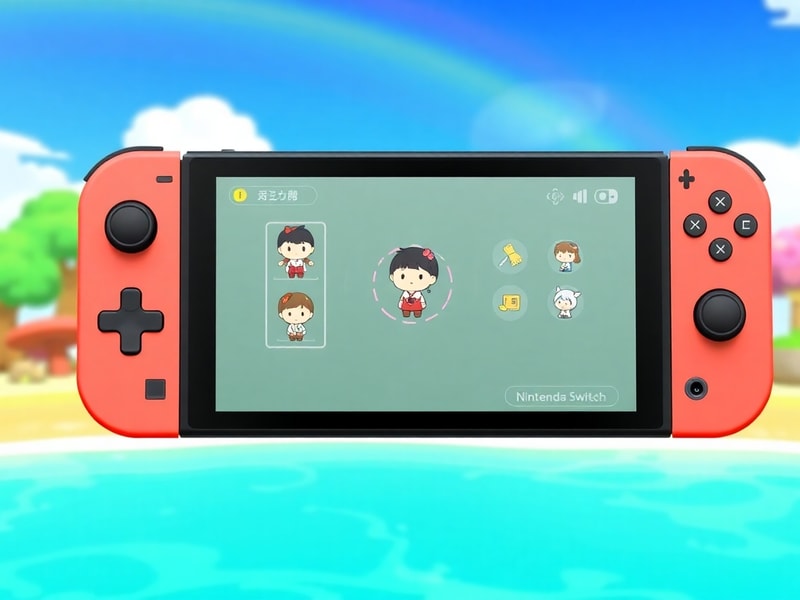
One of the most noticeable additions is the expansion of the game’s clothing catalog. The update adds dozens of new outfits, including traditional attire from various cultures. Players can now dress their Mii characters in hanbok from Korea, dirndl from Germany, or a cheongsam from China, among other options. This cultural diversification aligns with the game’s core theme of celebrating individuality and personal expression.
Nintendo has also introduced new hairstyles and accessories, giving players even more tools to customize their Mii avatars. These additions are more than just cosmetic—they allow players to create characters that reflect their own identities or those of people they know. In a world where representation matters, these small but meaningful touches help Tomodachi Life feel inclusive and relevant.
New Interactions and Life Simulator Depth
The update doesn’t stop at appearances. It also enhances the game’s social dynamics by introducing new interactions between characters. These range from playful exchanges to more meaningful conversations, adding layers to the simulation experience. For example, characters can now engage in cultural exchanges, such as discussing traditional festivals or sharing customs from their backgrounds. These interactions help create a more immersive environment where players feel connected to their virtual friends.
Another notable addition is the improved friendship system. Characters now form bonds more organically, with certain interactions strengthening their relationships over time. This change addresses a common critique of the original game, where relationships sometimes felt too static. By making friendships feel more dynamic, Nintendo has added a new dimension to the gameplay, encouraging players to invest more in their characters’ lives.
The update also includes quality-of-life improvements, such as faster loading times and smoother navigation. These changes may seem minor, but they significantly enhance the overall experience, especially for players who spend hours building and managing their communities. Nintendo’s attention to these details demonstrates its commitment to refining the game without overhauling its core identity.
For fans of Tomodachi Life, these updates offer a reason to revisit the game or dive in for the first time. The blend of creativity, humor, and cultural representation makes it a standout in the life-simulation genre. Whether you’re a longtime player or a newcomer, the latest update provides fresh reasons to enjoy the game’s unique charm.
Global Appeal and Cultural Representation
Tomodachi Life has always stood out for its ability to connect with players across different cultures. The game’s focus on individuality and personal expression resonates universally, but the latest update takes this a step further by incorporating elements from around the world. This approach not only broadens the game’s appeal but also fosters a sense of global community among players.
In Japan, where the game originated, Tomodachi Life has been particularly popular, thanks in part to its cultural references and humor. The addition of traditional Japanese clothing and festivals in the update is a nod to its roots, but the game’s global reach extends far beyond its home country. Players in Europe, North America, and other regions have embraced the game for its creativity and charm, often sharing their custom Mii designs and stories online.
The update’s focus on cultural representation is timely, as games increasingly become a platform for storytelling and identity exploration. By including attire and interactions from diverse backgrounds, Tomodachi Life aligns with a growing demand for inclusivity in gaming. This isn’t just about aesthetics—it’s about giving players the tools to create characters that reflect their own experiences or those of people they know.
For example, players in South Korea have praised the addition of hanbok, which allows them to dress their characters in traditional attire that holds deep cultural significance. Similarly, players in Germany have celebrated the inclusion of dirndl, a dress style associated with Bavarian culture. These small but meaningful additions help players feel seen and represented in the game, reinforcing its appeal as a universal experience.
Nintendo’s approach to cultural representation in Tomodachi Life sets an example for other games in the genre. By prioritizing authenticity and respect, the company has created a game that feels both personal and inclusive. This balance is key to its longevity and success, as it continues to attract new players while retaining its dedicated fanbase.
What’s Next for Tomodachi Life?
With the latest update, Tomodachi Life proves that it’s still evolving, even after nearly a decade on the market. While there’s no word on a direct sequel, the game’s continued support suggests that Nintendo sees value in keeping it alive. The update’s focus on cultural representation and quality-of-life improvements hints at the direction the game might take in the future.
One possibility is the introduction of more customization options, such as deeper relationship mechanics or expanded event systems. Players have long requested features like marriage ceremonies or career paths, and the groundwork laid by this update could pave the way for such additions. Nintendo’s iterative approach to game development means that even small updates can lay the foundation for bigger changes down the line.
Another avenue for growth is the game’s online community. Tomodachi Life has always encouraged players to share their creations and stories, and the latest update could inspire even more creativity. Nintendo could further integrate online features, such as leaderboards for custom designs or community events that celebrate cultural diversity. These additions would not only enhance the game but also strengthen the bonds between players around the world.
For now, players can enjoy the latest update and explore the new content at their own pace. Whether you’re a seasoned veteran or a newcomer, Tomodachi Life offers a unique blend of creativity, humor, and cultural representation that few games can match. As the game continues to evolve, it’s clear that its charm lies in its ability to adapt while staying true to its core identity.
For those looking to dive deeper into life-simulation games, check out our Gaming section for more reviews and updates. And if you’re curious about Nintendo’s other offerings, explore our Entertainment category for the latest news and analysis.