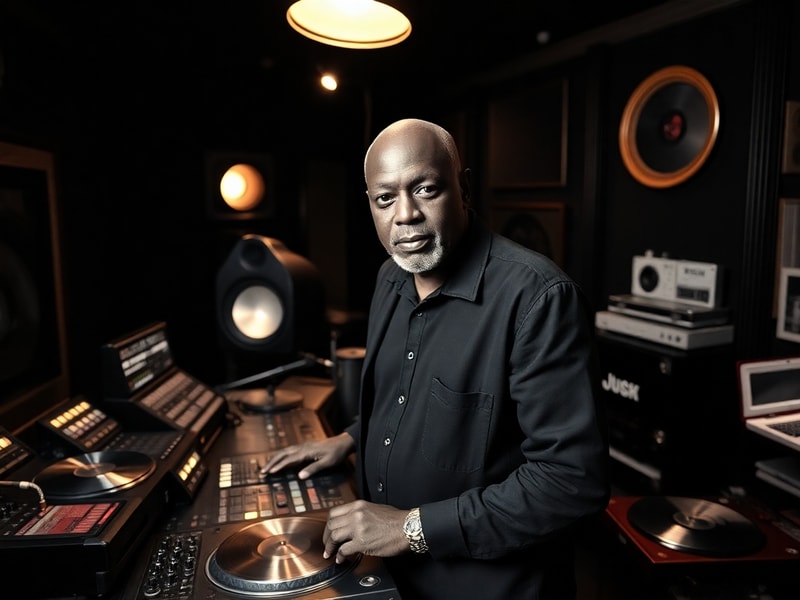
Trevor Nelson: The DJ Who Shaped Black British Music
Trevor Nelson remains one of the most influential figures in British music radio, a voice that shaped generations of listeners through his distinctive style and deep connection to black British music. For over three decades, he hosted shows on stations like BBC Radio 1Xtra and Kiss FM, introducing millions to artists from grime and UK garage to soul and R&B. His career reflects not just a personal journey but a broader evolution of how black music is broadcast and celebrated in the UK.
From pirate radio to mainstream recognition
Nelson began his broadcasting career in the late 1980s on London’s pirate radio scene, a vital platform for black music at the time. Stations like Kool FM and Don FM gave him the freedom to play tracks that mainstream outlets ignored. His early work wasn’t just about music—it was about representation. When he moved to Kiss FM in 1994, he became one of the first black presenters on a licensed commercial station, breaking barriers in an industry dominated by white voices.
By the late 1990s, Nelson had earned a reputation as a tastemaker, championing UK garage before it entered the charts. His show on Kiss FM became a must-listen for fans of underground sounds, blending new releases with deep cuts. This period laid the foundation for his later success at the BBC, where he would help define the identity of 1Xtra when it launched in 2002.
The BBC years: shaping 1Xtra’s legacy
When BBC Radio 1Xtra debuted, it filled a gap in the market for black British music, and Nelson was at the forefront. His Sunday night show, The Trevor Nelson Show, became a cornerstone of the station, featuring live sessions, interviews, and exclusive premieres. Artists like Dizzee Rascal, Wiley, and Craig David all benefited from his platform, gaining exposure that later translated into commercial success.
Nelson’s influence extended beyond his own show. He played a key role in curating 1Xtra’s playlist, ensuring that UK artists received airtime alongside American imports. His ability to spot talent early was evident in his support for artists like Stormzy, who appeared on his show years before his breakthrough. This forward-thinking approach cemented his status as a gatekeeper for black British music.
His tenure at 1Xtra also highlighted the challenges of public service broadcasting. Budget cuts and shifting priorities at the BBC often put pressure on niche programming. Yet Nelson’s show remained a constant, a testament to its loyal audience and cultural significance. Even after his departure in 2020, his impact lingered, with many listeners still tuning in for reruns and archived episodes.
Beyond the studio: entrepreneurship and mentorship
Nelson’s career isn’t confined to radio. In 2006, he launched TN Entertainment, a management company that has worked with artists across multiple genres. The label’s roster has included rising stars as well as established names, reflecting Nelson’s broad taste and business acumen. One of his most notable projects was the Trevor Nelson Allstars album in 2010, which brought together UK artists under one banner, a rare feat in the fragmented UK music scene.
Mentorship has been another key part of his legacy. Over the years, Nelson has supported young broadcasters and producers, many from underrepresented backgrounds. He’s spoken openly about the lack of diversity in media and the importance of giving opportunities to those who wouldn’t otherwise get them. His approach isn’t about tokenism but about recognizing raw talent and nurturing it.
In 2021, he launched the Trevor Nelson Scholarship at the University of Westminster, funding tuition for students from low-income backgrounds studying music journalism or radio production. The initiative underscores his belief in education as a tool for change, ensuring that future generations have the skills to carry on his work.
A voice for the culture
What sets Nelson apart is his authenticity. Unlike many media personalities who adopt a polished persona, he’s remained unapologetically himself—a proud Londoner with a deep love for music and community. His on-air style, whether interviewing a global superstar or chatting with a local MC, always feels genuine. This connection with listeners has earned him respect far beyond the studio.
Nelson’s contributions have been recognized with multiple awards, including a Sony Radio Academy Award and an MBE in 2017 for services to music and broadcasting. Yet his greatest achievement might be the intangible one: the trust he built with his audience. For many black Britons, his voice wasn’t just background noise—it was a lifeline, a reminder that their music and stories mattered.
As the media landscape continues to shift, Nelson’s career offers lessons in resilience, adaptability, and staying true to one’s roots. Whether through radio, entrepreneurship, or mentorship, he has consistently put culture first. In an era where algorithms dictate taste, his story is a reminder of the power of human curation and the enduring appeal of authentic voices.
For those looking to explore more about the evolution of black British music on radio, Dave’s Locker’s music section offers deep dives into related artists and trends. For a broader look at media history, the culture archive provides additional context on how voices like Nelson’s reshaped the industry.